Apartment Living With a Dog: Making Small Spaces Work
You don't need a yard to have a happy dog — plenty of dogs thrive in apartments. The keys are meeting exercise needs without a backyard, managing barking for the neighbors' sake, a smart potty routine, and enough enrichment to fill a small space with big stimulation.
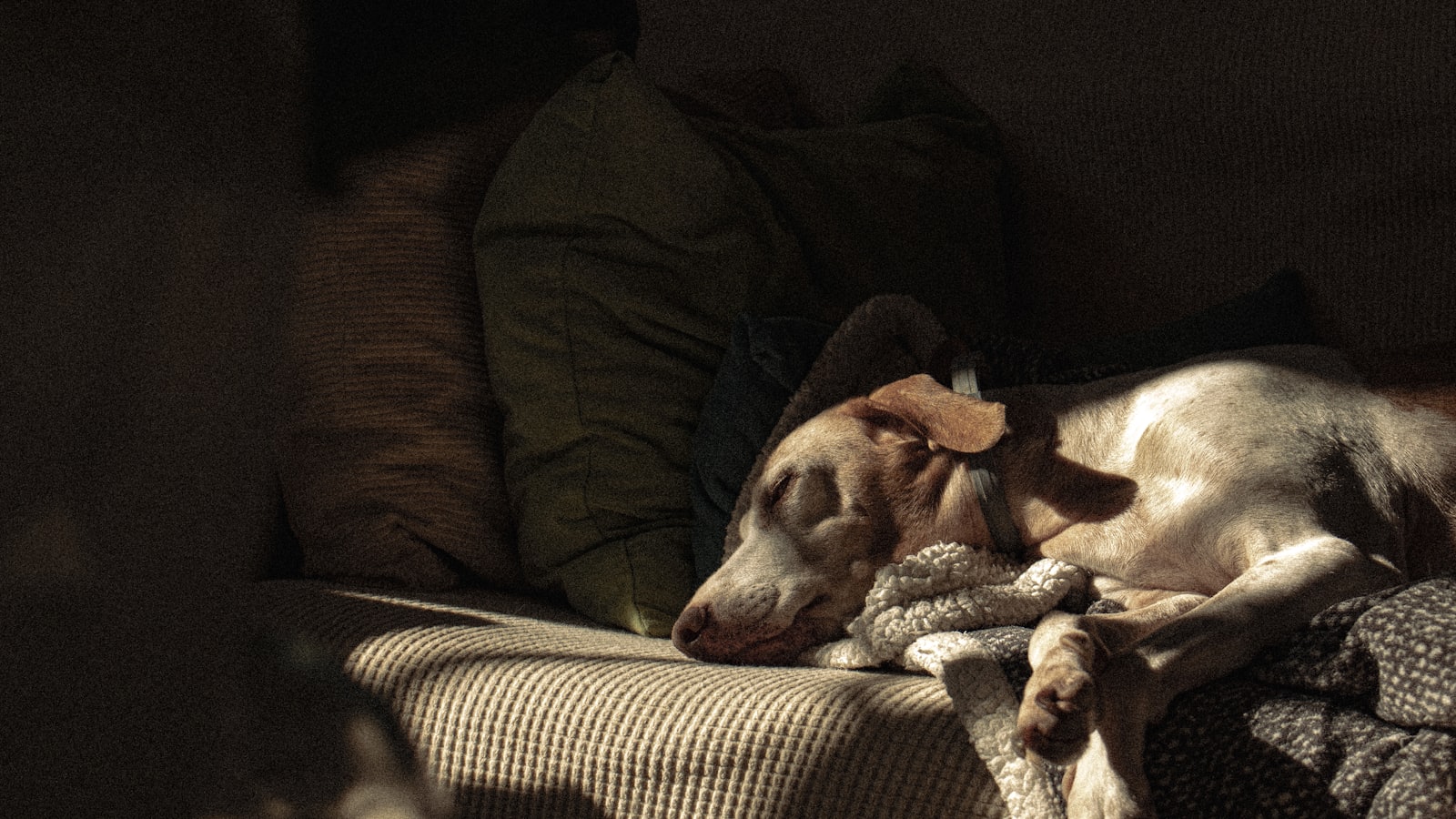
A yard is nice, but it's not what makes a dog happy — plenty of dogs thrive in apartments, and some of the calmest, best-adjusted dogs are city apartment dogs. What matters isn't square footage; it's meeting the dog's real needs in a small-space context: enough exercise without a backyard, barking managed for the neighbors, a reliable potty routine, and rich enrichment to make up for the lack of roaming room. Get those four right, and apartment life suits a huge range of dogs — the size of your space matters far less than what you do with your dog inside and outside it.
A yard doesn't make a happy dog — exercise, quiet, a potty routine, and enrichment do. Nail those four and apartments suit almost any dog.
📋 Quick Read
- Exercise without a yard: an apartment dog relies on you for outings — daily walks, trips to parks, and active play must replace the backyard entirely.
- Barking and neighbors: close quarters make barking a real issue, so managing triggers, teaching 'quiet,' and preventing boredom-barking matter more than ever.
- Potty and enrichment: build a reliable potty routine around walks (no yard to default to), and fill the small space with mental enrichment to prevent boredom.
Exercise and enrichment replace the yard
The biggest shift in apartment living is that you are the dog's exercise and enrichment — there's no backyard to open a door to. That's entirely workable, but it has to be intentional. Physical exercise comes from daily walks, trips to parks and dog parks, and active play, and it needs to genuinely meet your dog's energy level, because a small living space plus insufficient exercise is the recipe for a restless, destructive, barky dog. Match the outings to the dog: a high-energy dog in an apartment simply needs more of your time outdoors, while a mellow dog may be perfectly content with less.
Enrichment fills the other gap. A small space offers little to explore, so bring the stimulation indoors: puzzle feeders, snuffle mats, chews, training games, scent games, and a rotation of toys keep an apartment dog's brain busy and stave off the boredom that fuels problem behaviors. The truth that surprises people is that a well-exercised, mentally engaged apartment dog is often calmer and happier than a bored dog with a big yard it ignores — because it's the activity and stimulation, not the square footage, that satisfy a dog.
Manage barking and build a potty routine
Close quarters make barking a real, neighbor-affecting issue, so it deserves extra attention in an apartment. Manage the triggers that come with shared walls and hallways — people passing the door, sounds through walls, the buzzer — by reducing what your dog sees and hears (window film, white noise) and teaching a 'quiet' cue that rewards calm. But the deepest fix is preventing boredom and pent-up energy, because most nuisance barking is an under-exercised, under-stimulated dog talking to itself. A tired, enriched dog is a quiet dog, which is exactly what apartment life rewards.
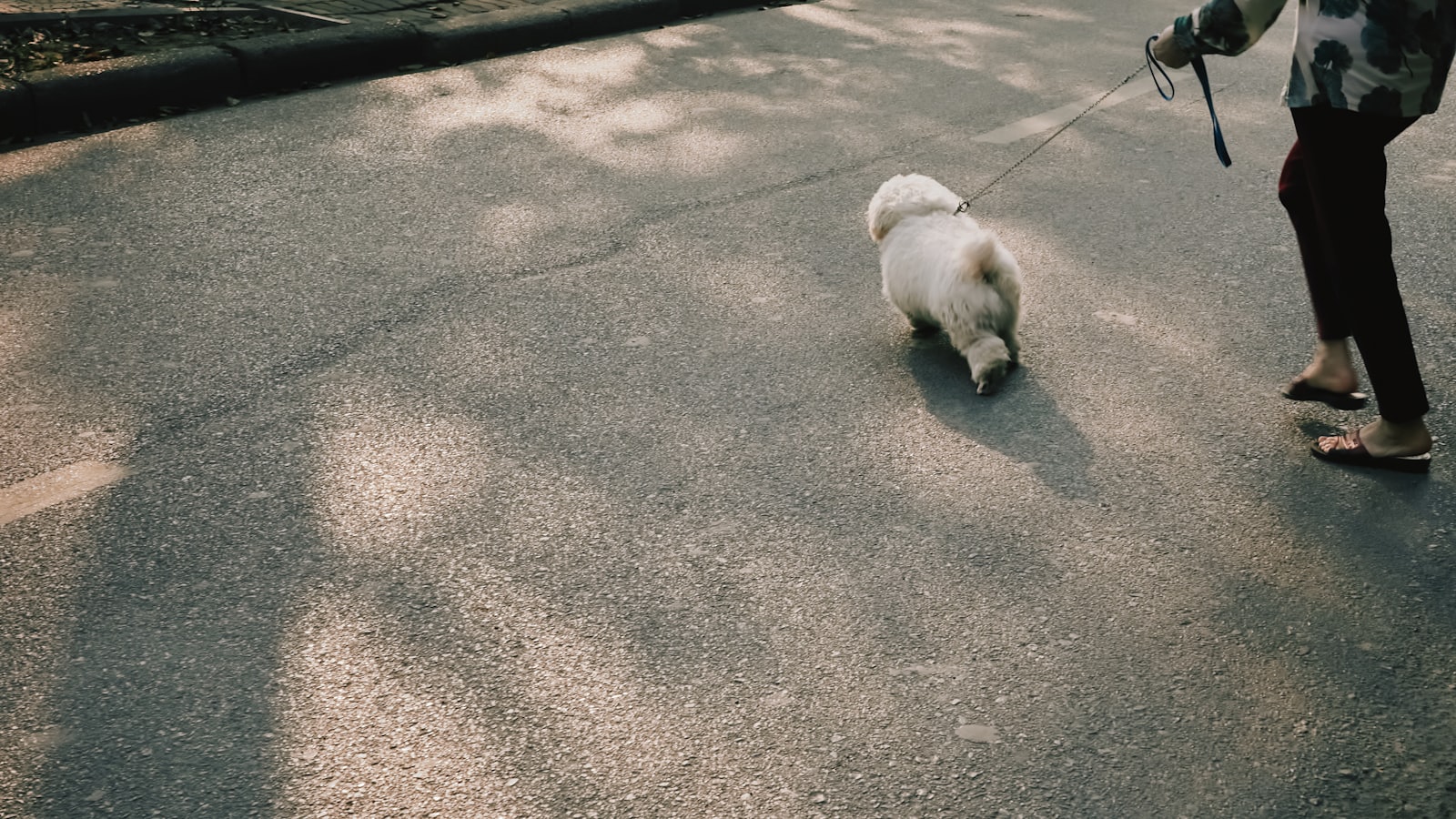
The potty routine takes more planning without a yard. An apartment dog can't just be let out, so it relies on a consistent, scheduled routine of walks and (often) elevator or stairwell trips — which is more demanding on you, especially with a puppy that needs frequent, prompt outings. Build a reliable schedule, reward outdoor success immediately, and stay consistent; some owners use a balcony potty station or indoor grass as a backup, but a walk-based routine is the goal. Manage the barking, build the potty routine, and pair them with the exercise and enrichment, and apartment living becomes a genuinely great home for a well-adjusted dog.
- Daily walks and outings that meet your dog's energy level
- Active play replacing the missing backyard
- Indoor enrichment (puzzles, chews, scent games, rotating toys)
- Barking triggers managed and a 'quiet' cue taught
- A consistent, scheduled potty routine around walks
- Boredom prevented — the root of most nuisance barking
🗓 This Week's Plan
- Days 1–2: Audit exercise — are your daily walks and outings truly meeting your dog's energy level? Add outings if not.
- Days 3–5: Build an indoor enrichment rotation (puzzles, chews, scent games) and start managing barking triggers with a 'quiet' cue.
- Days 6–7: Set a consistent, scheduled potty routine around walks and reward outdoor success promptly.
Make apartment life work with Pak Social
Replace the yard with exercise and enrichment, manage barking for the neighbors, and build a solid potty routine. Pak Social keeps your apartment dog happy, quiet, and well-adjusted.
Get Pak Social — Free ➡️ Up nextEnrichment: A Complete Guide to a Fulfilled Dog5 min read›