Building Your Dog-Care Village
The 7 p.m. flight delay, the surprise hospital stay, the meeting that won't end — every dog owner eventually needs backup. The time to build the bench is before the emergency.
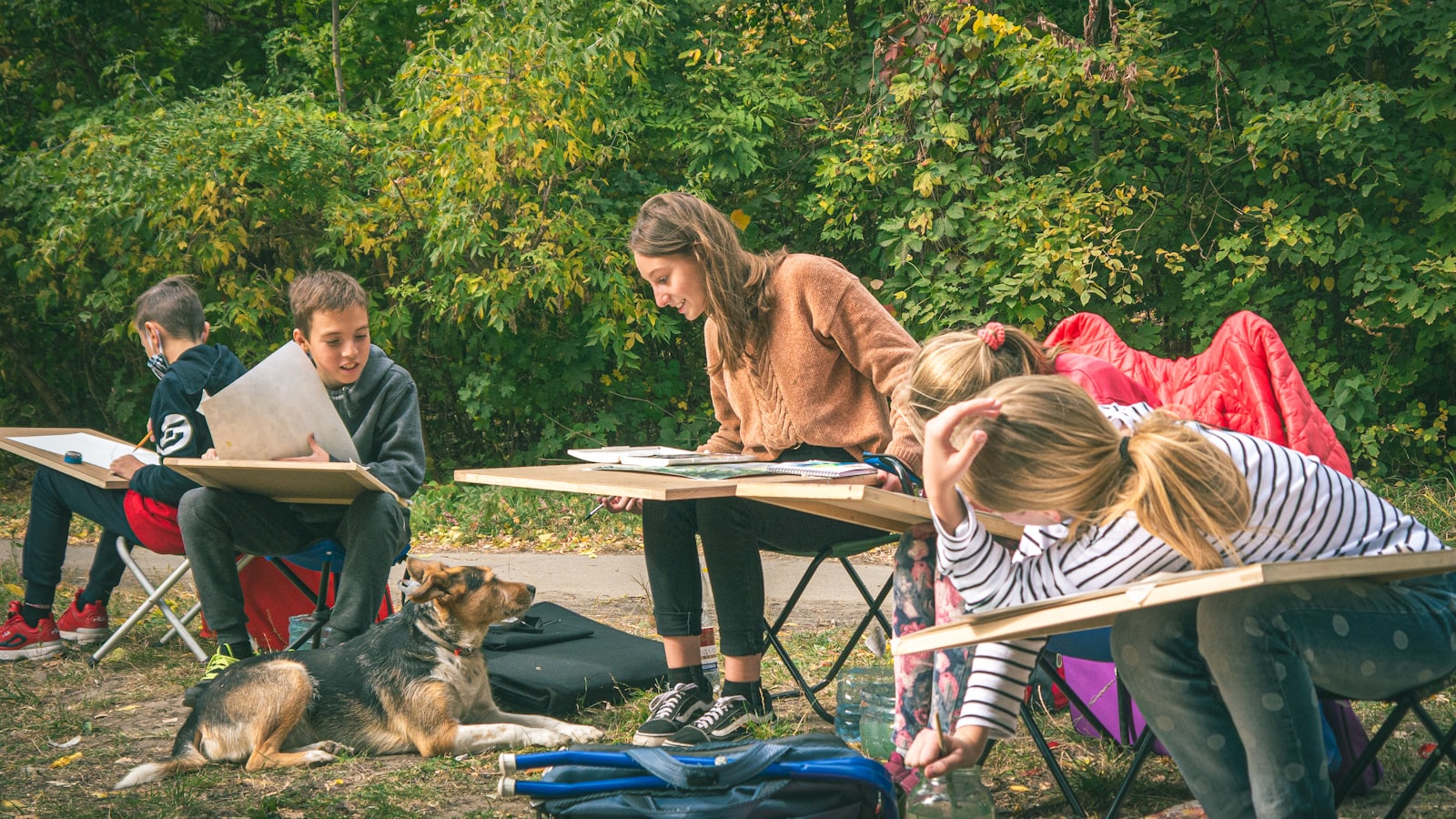
The text comes at 4:40 p.m.: flight's delayed, you won't land until midnight, and your dog's dinner is at six. Cue the frantic scroll through contacts — who has a key? who does the dog actually know? — and the sinking realization that your entire care system is you. Solo dog ownership works beautifully right up until life happens. The fix is old technology: a village. Neighbors, friends, sitters, walkers, and one laminated instruction sheet — assembled on a calm Tuesday, not a panicked Friday.
A dog with one caretaker is one flat tire from a crisis. Build the bench before you need the bench.
📋 Quick Read
- The village has tiers: an emergency row (keyed neighbors who can act in an hour), a routine row (walkers, sitters, daycare), and a mutual-aid row (fellow dog owners trading care both directions).
- Every helper needs the same three things: to have met your dog before the crisis, access that works at 4:40 p.m., and instructions that don't live only in your head.
- Reciprocity is the engine — trading walks, backup, and playdates with other dog people builds care that money can't book on short notice.
Draft the roster in tiers
Tier one — the emergency row: one or two people within fifteen minutes who'd take a key (or a lockbox code) and could feed, water, and let out your dog on an hour's notice. Nearby neighbors beat best friends across town; proximity is the feature. Tier two — the routine row: the professionals and semi-pros for planned coverage — a vetted sitter or two, a walker, the daycare that already knows your dog (the group-care lesson's audit applies to them all). Tier three — the mutual-aid row: fellow dog owners whose dogs get along with yours, trading walks, weekend coverage, and playdates in both directions. Most owners discover their roster is one deep in one tier; the assignment is at least two names in each.
Onboard helpers like it matters (because it does)
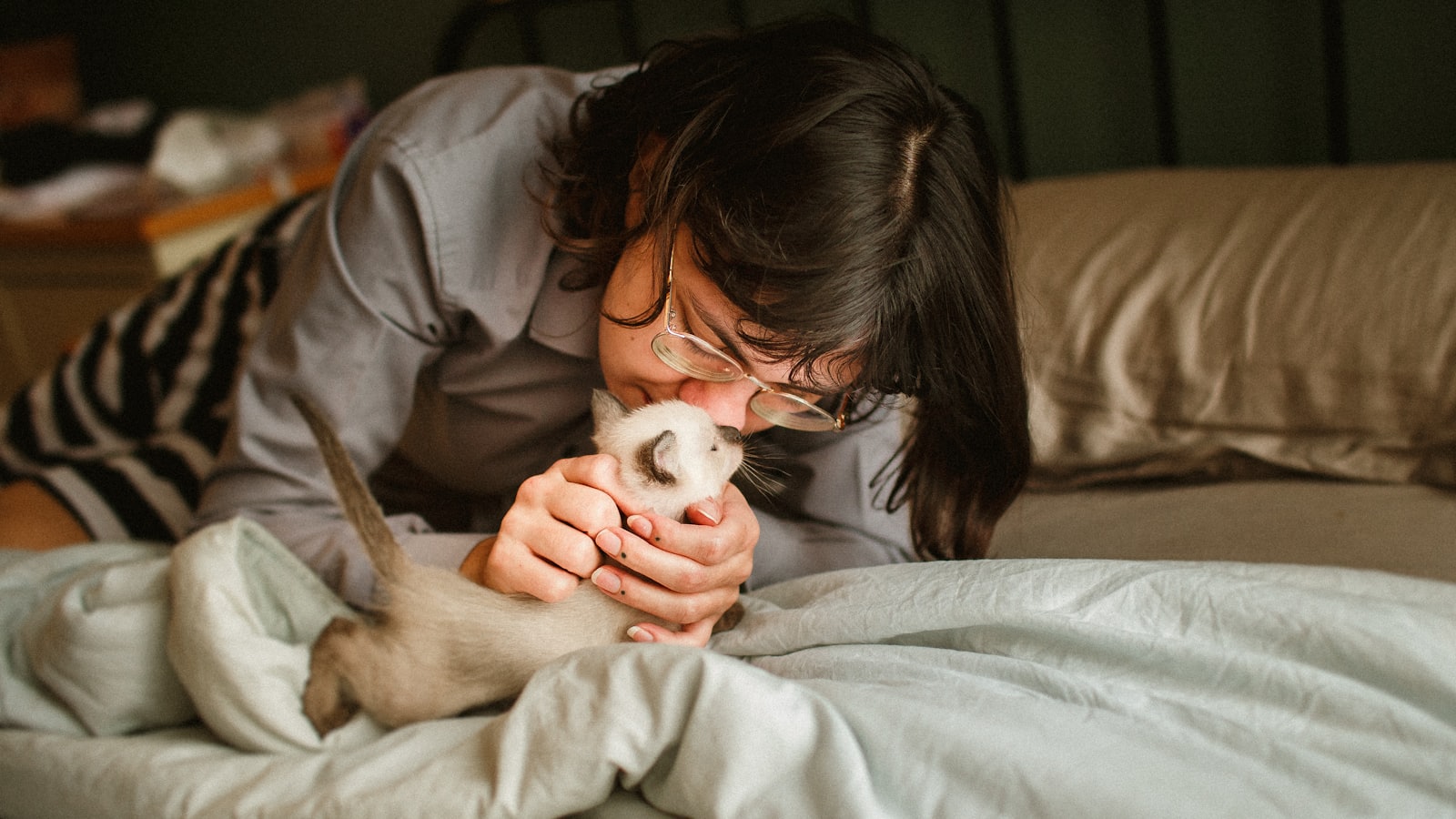
A name in your contacts is not a caretaker. Onboarding is three visits: one meet-and-greet on neutral ground or a shared walk, one home visit where your dog hosts them (treats from the visitor, tour of the food-and-leash geography), and one dry run — a real feeding or a short solo walk while you're actually elsewhere. Sort the access question the same week: spare keys with tier one, or a lockbox whose code you can text anyone. And handle the awkward part explicitly — tell tier one what you're asking ("emergency-only, maybe twice a year, and I'm your backup too"), because vague asks produce vague help, and named roles produce people who show up.
The instruction sheet: your dog, written down
Everything a helper needs, on one page (and in your Pak Social profile where it can't be left on a counter): feeding — amounts, times, where the food lives; medications with doses and how you hide them; the walk route and leash quirks ("bolts at skateboards, fine with dogs on the left"); house logistics — codes, lights, where the towels are; and the emergency block — your vet, the nearest ER vet, a poison-control number, your dog's chip number, and a treatment authorization line ("authorize care up to $X if I'm unreachable") that spares a helper the worst decision of their week. Update it when anything changes, and walk your tier-one people through it once. It's an hour of writing that makes every future handoff a checklist instead of a phone-call scavenger hunt.
- Emergency neighbor #1 — key/code, met the dog, dry-run done
- Emergency neighbor #2 (backup for the backup)
- Vetted sitter or boarding option for planned trips
- Walker or daycare for the routine gaps
- One reciprocal dog-owner trade running both ways
- Instruction sheet written and shared
- Vet + ER vet + authorization line on the sheet
🗓 This Week's Plan
- Days 1–2: Draft the roster; identify the empty seats and the one neighbor you should finally ask.
- Days 3–4: Write the instruction sheet and load it (with records) into the app.
- Days 5–7: Book one onboarding visit and one playdate-interview with a potential trade partner.
Build your village with Pak Social
One roster, one sheet, one asked neighbor — that's this week. The next flight delay finds a system where the panic used to be.
Get Pak Social — Free ➡️ Up nextPak for Rescue Adopters5 min read›