Fencing and Containment Options
Physical, invisible, GPS, or none of the above — the honest comparison of yard containment, matched to the digger, the jumper, and the dog you actually have.
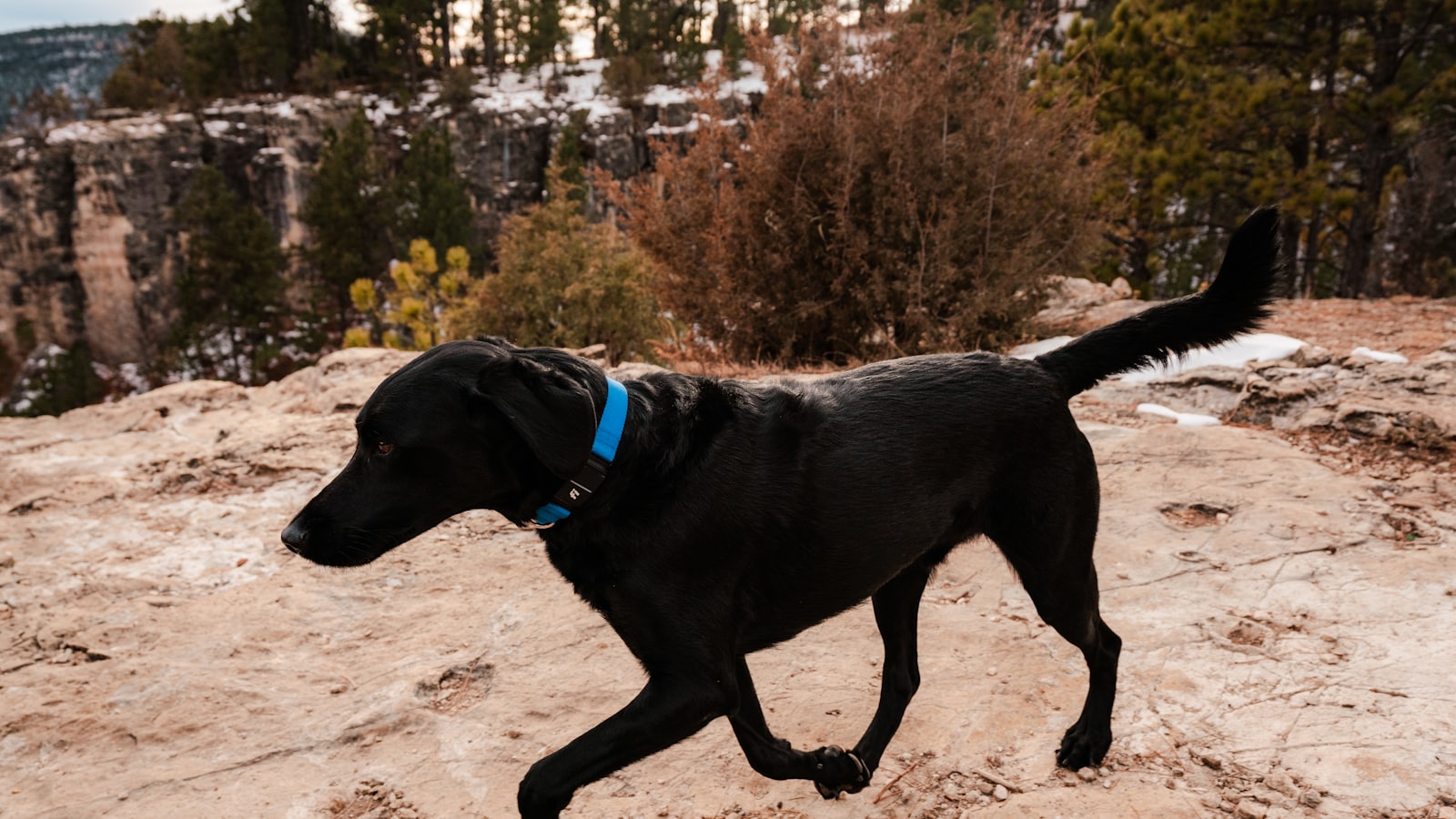
The yard is dog ownership's great promise — off-leash sniffing, zoomies on demand, the doggy door dream — and containment is the fine print. The options range from cedar pickets to satellite collars, the marketing is loud, and the failures are all the same failure: a dog on the wrong side of the line. Here's the honest comparison — what each system actually does, which dogs defeat which designs, and why the best containment is always a stack, never a single line.
Every fence is a hypothesis about your dog. The digger, the jumper, and the door-dasher each test a different clause.
📋 Quick Read
- Physical fences are the gold standard — the only option that keeps your dog in AND other animals out — sized and hardened to your dog's specific defeat skills (dig guards, jump height, latch security).
- Electronic options (buried-wire and GPS 'fences') carry the honest asterisks: they punish the boundary without blocking it, adrenaline defeats them, they keep nothing out, and a spooked dog who crosses won't come back through.
- No system replaces supervision and training: the yard is a tool, not a babysitter — and the boredom that defeats fences (patrol barking, digging, escape R&D) is an enrichment problem wearing a containment costume.
Physical fencing: the standard, hardened to your dog
The buyer's matrix: height to the dog (four feet holds most small and calm dogs; five-to-six for athletic breeds; the true jumpers need six-plus with inward-angled toppers or coyote rollers), material to the mouth and the weather (wood is classic and rot-prone, vinyl low-maintenance, chain-link economical but climbable by the determined — solid panels also cut the visual triggers that fuel fence-line barking, a two-for-one the behavior lessons appreciate), base to the digger (buried mesh aprons or L-footers turn excavation into a dead end), and gates to the truth (self-closing hinges, latches above dog height or carabinered, because the lost-dog lesson's data is blunt: the gate fails first, usually via human). Walk it quarterly, after storms, and after any contractor visit — the audit habit outperforms every upgrade.
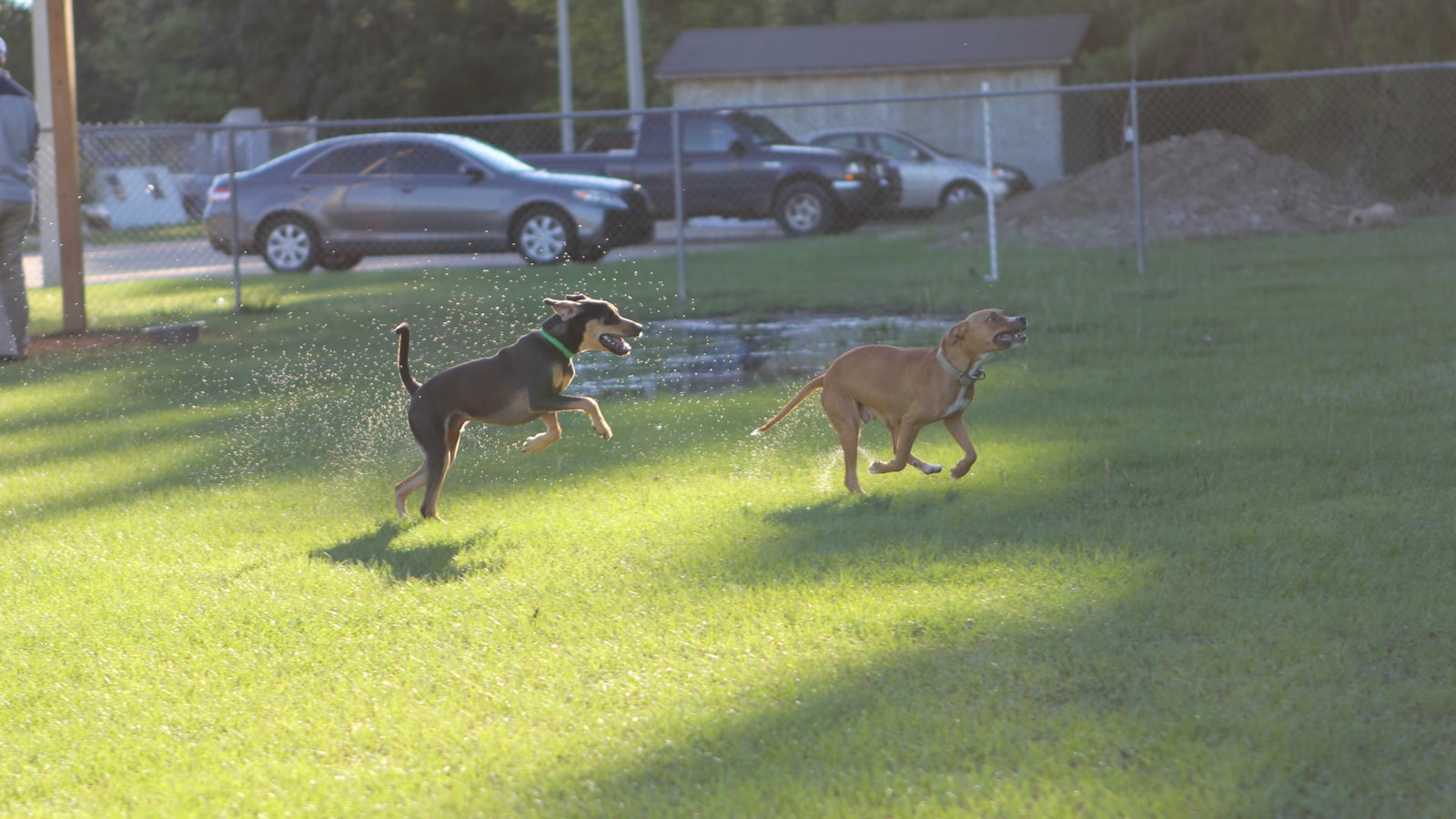
Electronic options: what the marketing omits
Buried-wire systems and GPS collar fences share a mechanism — a warning tone then a static correction at the boundary — and share the asterisks: the line is crossable (adrenaline beats correction: prey, panic, and play all generate dogs who blow through and then, cruelly, get corrected trying to return home), the barrier is one-way (nothing is kept OUT — the loose-dog encounter happens inside your 'fence'), the training burden is real (weeks of flag-line conditioning done properly, per the manufacturers themselves), and the correction is an aversive with the usual fine print for soft and anxious dogs (fallout associations — some dogs generalize the yard-edge fear to the whole yard). GPS versions add coverage flexibility (acreage, no digging) and GPS-grade boundary wobble (the AKC's coverage notes the one-third-acre-plus minimums for a reason). The honest use cases: large rural properties where physical fencing is impractical, as a supplement inside a physical fence for the climber, and calm, trained, supervised dogs — never the door-dasher, the spooker, or the prey-launcher, and never as the babysitter.
The stack, and the behavioral layer under it
Run containment like the lost-dog lesson runs everything: layers. Physical fence hardened to the profile, gates secured and audited, the ID-and-GPS reunion stack current underneath (because every fence is a hypothesis), threshold manners at the gates (the wait lesson's airlocks), and the recall maintained as the last line. Then the layer that's secretly load-bearing: employment. The escape artist is almost always an under-stimulated dog running self-directed R&D — the enrichment lessons' five channels, the dig pit for the excavator (a LEGAL dig site converts most diggers faster than any apron), the patrol-barking management from the barking lessons — because a fulfilled dog tests hypotheses less. And for the yardless or the between-homes: the long line plus supervision is honest, effective containment that trains engagement while it contains — the underrated option the marketing never mentions because nobody profits from a thirty-foot rope.
- Fence height matched to my actual jumper/climber
- Dig defense at the base (apron, L-footer, or legal dig pit)
- Gates: self-closing, latched above dog height, audited
- Quarterly perimeter walk on the calendar
- ID + chip current underneath it all (every fence is a hypothesis)
- Yard time supervised — not an all-day kennel
- The escape artist's employment problem addressed (enrichment)
🗓 This Week's Plan
- Days 1–2: Observe and name your dog's defeat profile (digger, jumper, patroller, opportunist).
- Days 3–4: The Perimeter Hour — full audit, one hardware fix ordered, gates carabinered today.
- Days 5–7: Add the behavioral layer: one enrichment upgrade for the yard hours, and the wait-at-gates threshold rep.
Run the Perimeter Hour with Pak Social
One walk of the line, one honest profile, one fix ordered. The yard's promise is real — it just comes with fine print, and now you've read it.
Get Pak Social — Free