Flying With Your Dog: What to Know Before You Book
Air travel with a dog is doable but complicated — airline rules vary, cabin vs. cargo is a big decision, and some breeds shouldn't fly at all. Here's what to sort out before you book, so the trip is safe and stress-free.

Flying with a dog is entirely possible, but it's the most rules-heavy, preparation-intensive kind of travel there is — and the decisions you make before booking matter enormously. Airline policies vary widely, cabin travel (for small dogs under the seat) is very different from cargo travel, some breeds — especially flat-faced ones — shouldn't fly at all, and health documentation and crate requirements are strict. Do the homework first: check the specific airline's rules, decide cabin vs. cargo honestly, confirm your dog is fit to fly, and prepare the paperwork and crate — and flying becomes a manageable step toward a bigger adventure.
Flying is all about the homework before you book — airline rules, cabin vs. cargo, breed suitability, and paperwork. Sort those and the trip is safe.
📋 Quick Read
- Check the airline first: policies vary a lot — size limits, cabin vs. cargo, fees, crate specs, and booking limits — so confirm the specific airline's rules before anything else.
- Cabin vs. cargo: small dogs may fly in-cabin under the seat; larger dogs go as cargo, which carries more risk and requires extra care and an airline-approved crate.
- Breed and health: flat-faced brachycephalic breeds often can't fly (breathing risk) and many airlines ban them from cargo; you'll also need current health documentation from your vet.
Do the homework before you book
Flying with a dog is won or lost in the preparation, so start with research, not booking. Check the specific airline's pet policy first — they vary enormously on size limits, whether dogs fly in-cabin or as cargo, fees, exact crate specifications, required health documents, and how many animals are allowed per flight (which means booking early to secure a spot). Two airlines on the same route can have completely different rules, so never assume.
The central decision is cabin versus cargo, and it's largely determined by size. A small dog that fits in an airline-approved soft carrier under the seat in front of you can often fly in-cabin, which is dramatically less stressful and safer because your dog stays with you. A larger dog usually must travel as cargo in the temperature-controlled hold, which carries more risk and stress and requires an airline-approved hard-sided crate, careful flight scheduling to avoid temperature extremes, and thorough preparation. Decide honestly which applies to your dog before you plan anything else.
Confirm your dog is fit to fly, and prepare thoroughly
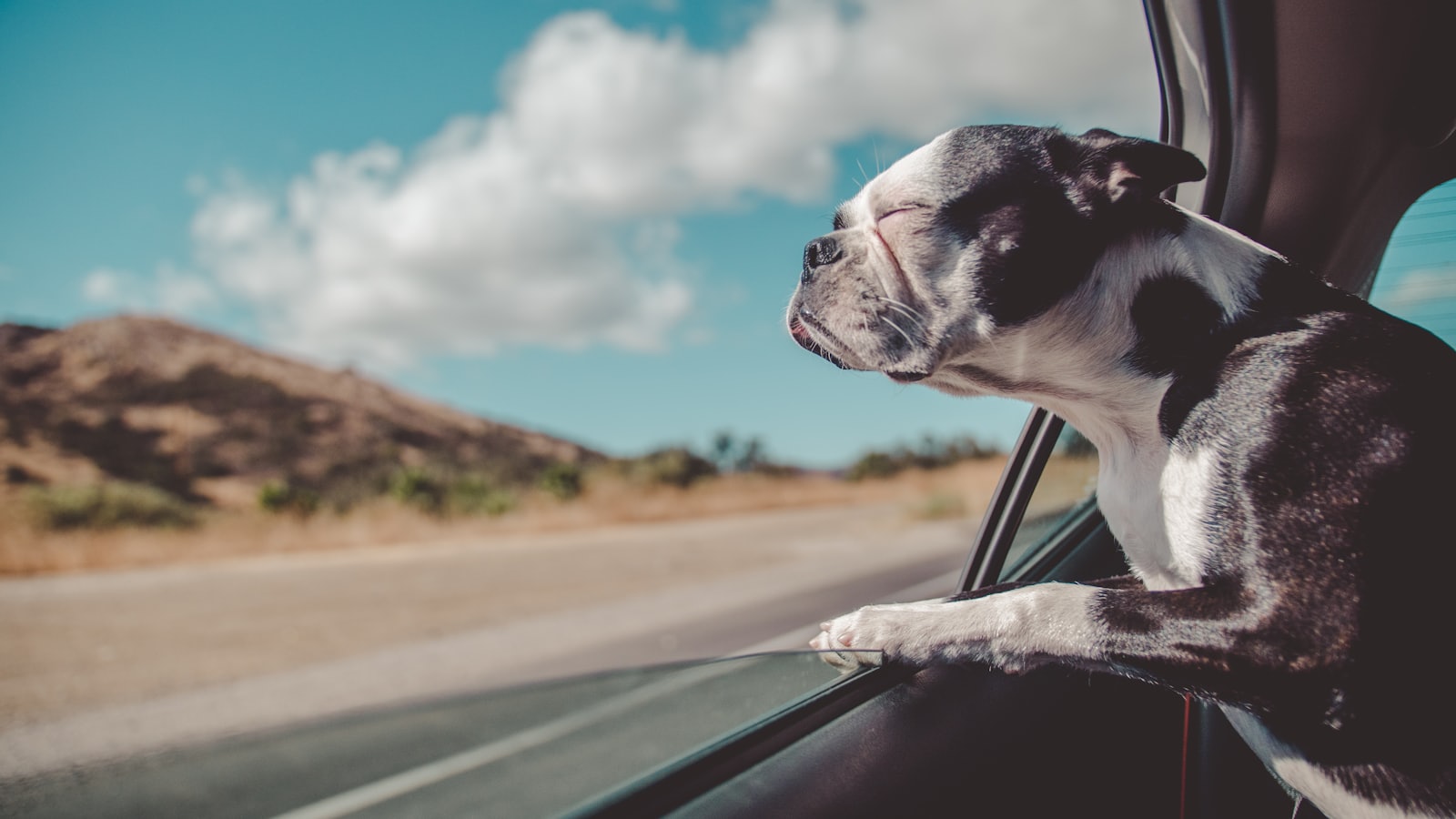
Before you commit, confirm your dog should fly at all. Brachycephalic (flat-faced) breeds — Bulldogs, Pugs, and similar — are at real, documented risk of breathing difficulty and even death during air travel, and many airlines ban them from cargo for exactly this reason; for these breeds, flying is often not advisable, and driving or other arrangements may be the responsible choice. Very young, elderly, ill, or anxious dogs may also be poor candidates. A veterinary check confirms your dog is healthy enough to fly and provides the health certificate most airlines and destinations require — and international travel layers on vaccination, microchip, and sometimes quarantine rules you must research far in advance.
For dogs that are cleared to fly, preparation makes the difference. Acclimate your dog to its travel crate well ahead of time so it's a familiar, safe space rather than a scary one. Follow the airline's feeding and potty guidelines before the flight, attach current ID and clear crate labeling, and pack the paperwork. Note that sedation is generally not recommended for air travel, as it can impair breathing and balance at altitude — discuss any anxiety with your vet rather than reaching for sedatives. Confirm your dog is fit to fly, prepare the crate and paperwork, and follow the airline's rules to the letter, and even air travel can be safe and manageable.
- The specific airline's pet policy checked in detail
- Cabin vs. cargo decided honestly (by size and risk)
- Breed suitability confirmed (flat-faced dogs often shouldn't fly)
- Vet check done and health certificate obtained
- An airline-approved crate — and your dog acclimated to it
- ID, microchip, and any international paperwork sorted
🗓 This Week's Plan
- Days 1–2: Check the specific airline's pet policy and decide honestly whether your dog flies cabin or cargo.
- Days 3–5: Confirm breed and health suitability with your vet, get the health certificate, and research any destination requirements.
- Days 6–7: Get an airline-approved crate and start acclimating your dog to it, and confirm ID and microchip info.
Plan a flight with Pak Social
Check the airline, decide cabin vs. cargo, confirm your dog's fit to fly, and prep the crate and paperwork. Pak Social keeps air travel's many details organized and safe.
Get Pak Social — Free ➡️ Up nextChoosing a Dog Backpack Carrier: Fit, Safety, and Use5 min read›