Harness vs. Collar: What's Best When
It's not that one is right and one is wrong — it's that each has a job. Here's how to pick for your dog.
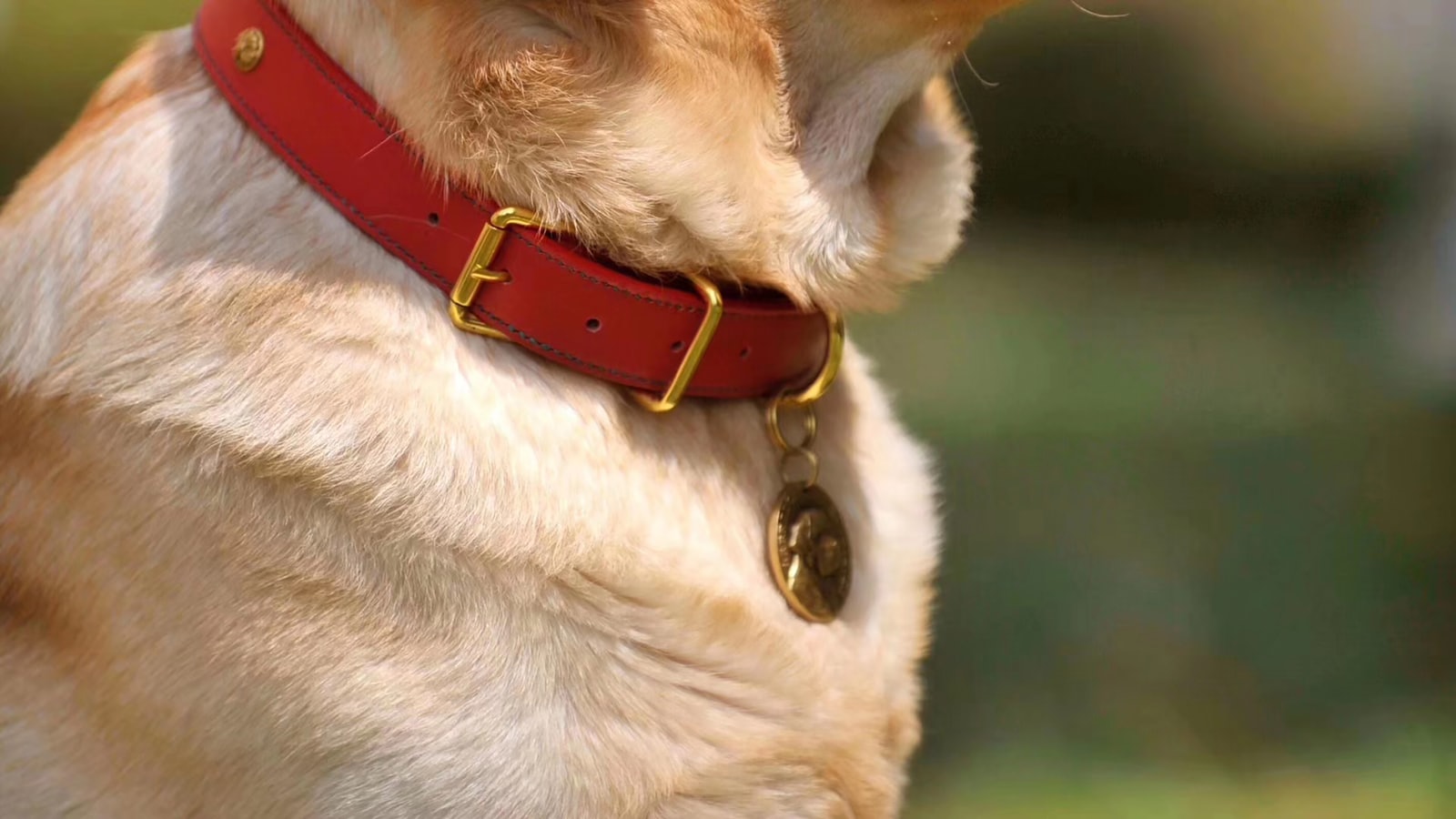
Stand in the pet store gear aisle and it feels like a loyalty test: are you a collar person or a harness person? It's the wrong question. A flat collar and a well-fitted harness both have a place — the right choice depends on your dog's body, behavior, and what you're doing. Get the match right and walks get easier and safer; get it wrong and you're fighting your gear the whole way.
There's no “best” — there's the right tool for this dog, on this walk.
📋 Quick Read
- A flat collar is perfect for carrying ID and quick, easy walks with a dog who doesn't pull — but constant pulling puts real pressure on the neck and throat.
- A well-fitted harness spreads force across the chest, which helps pullers, flat-faced breeds, and dogs with delicate necks or tracheas.
- Fit matters more than the label: a loose or wrong-sized harness chafes and lets dogs slip out, and a too-tight collar is unsafe.
What each tool is actually for
A flat collar's main job is to carry ID and licenses and to handle everyday walks with a dog who already walks politely — it's simple, always-on, and unobtrusive. A harness's job is control and protection: by spreading leash force across the chest, it takes pressure off the neck and gives you steadier handling. Many owners use both — a collar that always holds ID, plus a harness clipped on for walks.

Match the gear to the dog
Some dogs clearly benefit from a harness: hard pullers, flat-faced (brachycephalic) breeds, dogs with a delicate trachea or a collapsing-trachea history, and reactive dogs who lunge (a front-clip harness gives you better redirection). A calm, trained adult who walks on a loose leash does fine on a flat collar. Escape artists who back out of gear may need a martingale collar or a well-fitted harness with a snug girth. The chart below sums up who benefits most.
Fit beats brand every time
Whichever you choose, fit is what makes it safe and comfortable. For a collar, use the two-finger rule — two fingers should slide snugly underneath, no more. For a harness, check that it doesn't rub the armpits, can't be backed out of, and leaves full shoulder movement. A beautifully designed harness in the wrong size chafes, restricts the gait, or becomes an escape hatch. Measure, adjust, and re-check as puppies grow and coats change.
🗓 This Week's Plan
- Days 1–2: Do a fit check on your current gear — two fingers under the collar, no slipping out of the harness.
- Days 3–4: Match the tool to your dog using the chart; if your dog pulls, is flat-faced, or has neck issues, try a well-fitted harness.
- Days 5–7: Walk with the right setup and log your dog's Leash Calm Score to see whether control and comfort improve.
Dial in your walk setup with Pak Social
Log your walks and your dog's Leash Calm Score as you try the right gear. In a week you'll see whether the setup is helping — and pair it with the loose-leash training that makes the biggest difference.
Get Pak Social — Free ➡️ Up nextChoosing the Right Leash for Your Dog4 min read›