Hiking Safely With Your Dog: Trail-Ready Essentials
Trails are a dog's paradise — endless smells, terrain, and adventure. But a safe hike means checking trail rules, packing the right gear, protecting paws and watching for heat, and knowing wildlife and water hazards before you set off.
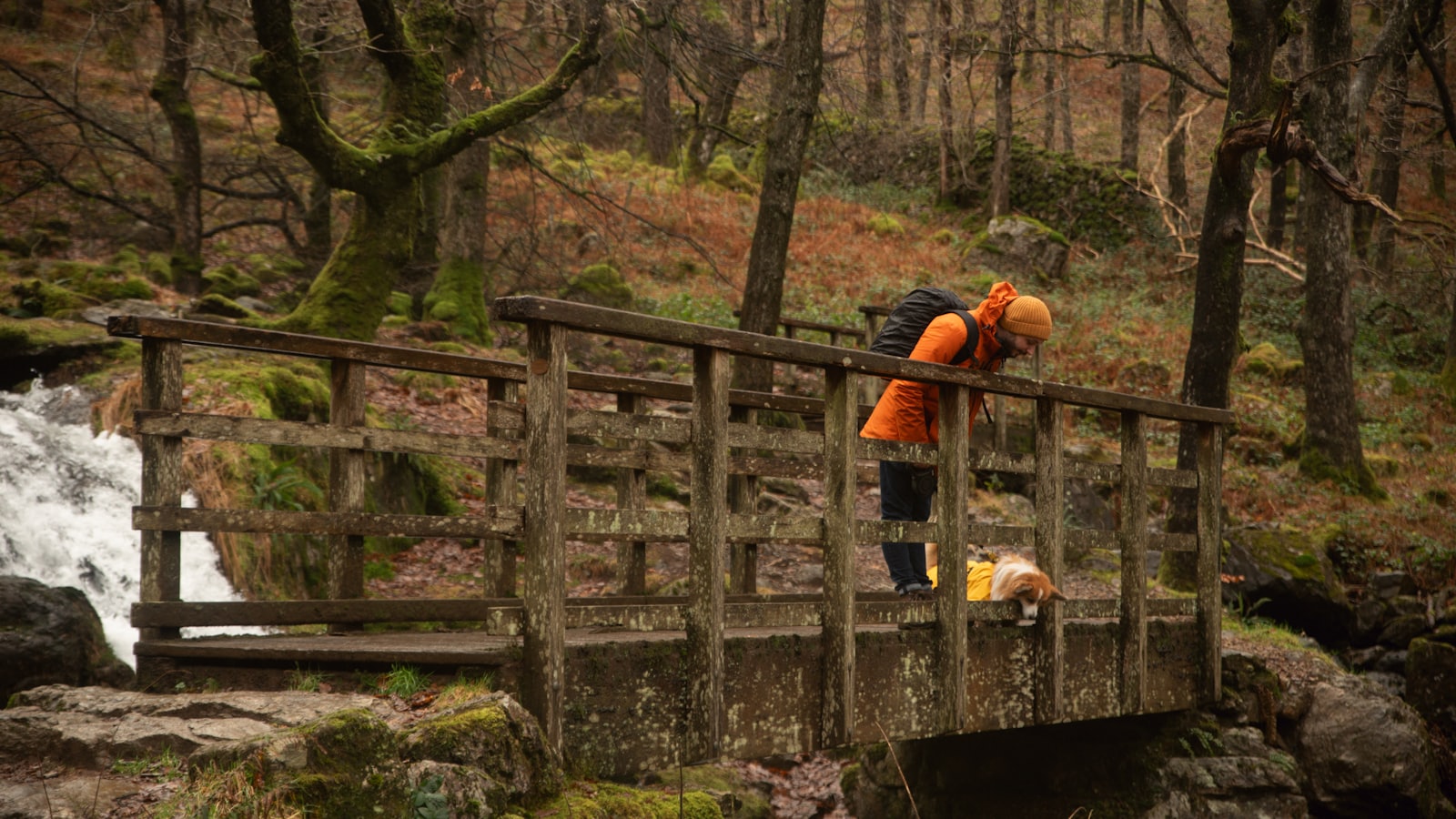
Hiking with your dog is one of the great shared joys — new terrain, endless smells, real exercise, and time together in nature. But the trail has hazards a sidewalk doesn't: heat and limited water, rough terrain on paws, wildlife and other dogs, ticks and foxtails, and rules about where dogs are allowed and whether they must be leashed. A little preparation — the right gear, a fitness-matched plan, paw and heat awareness, and knowing the trail's rules and hazards — turns a hike into a safe adventure your dog will live for.
Trails are dog heaven with real hazards — pack water and gear, protect the paws, watch the heat, and know the rules before you go.
📋 Quick Read
- Before you go: check that dogs are allowed and whether leashes are required, and match the trail's length and difficulty to your dog's fitness.
- Pack the essentials: plenty of water and a bowl, waste bags, a leash, snacks, a basic first-aid kit, and current ID/microchip.
- On the trail: protect paws on rough terrain, watch for heat and provide water often, and stay alert to wildlife, other dogs, foxtails, ticks, and water hazards.
Plan the hike before you leave the house
A safe hike starts at home. First, check that dogs are allowed on the trail and whether leashes are required — many parks and trails have rules to protect wildlife and other hikers, and some sensitive areas ban dogs entirely. Respecting these keeps trails open to dogs and keeps your dog safe. Second, match the trail to your dog's fitness: a young, unfit, giant, flat-faced, or senior dog has real limits, and a long, steep, hot hike can overwhelm a dog that isn't conditioned for it. Build up your dog's hiking fitness gradually, just as you would your own.
Then pack the essentials: plenty of water and a collapsible bowl (this is the big one — dogs dehydrate and overheat fast, and you can't count on trail water being safe), waste bags, a leash, energy snacks, a basic canine first-aid kit, and current ID tags plus microchip info in case you get separated. A few minutes of planning is the difference between a smooth adventure and a hike cut short — or worse.
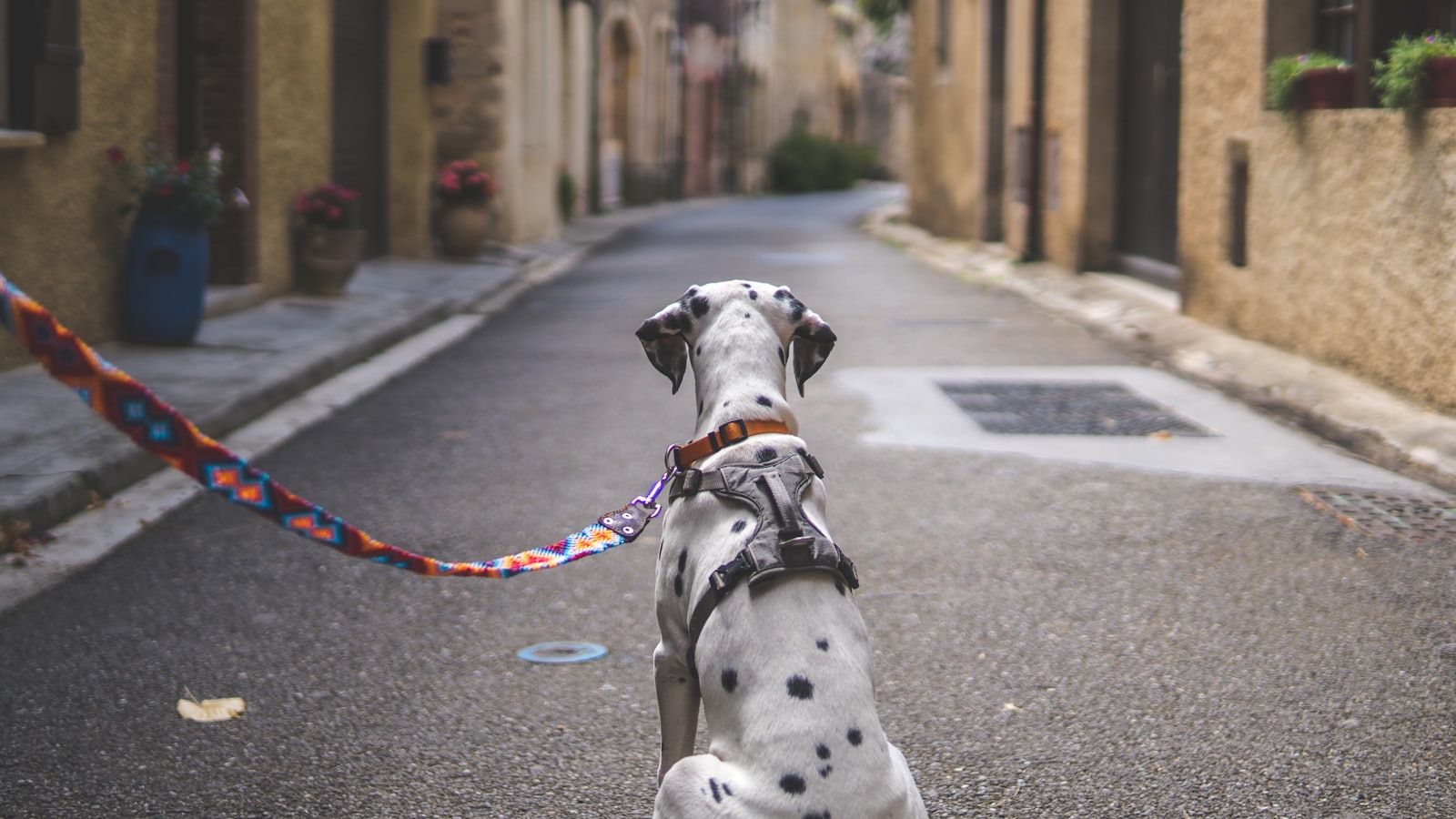
On the trail: paws, heat, and the wild
Once you're hiking, a few hazards need active management. Terrain is the first: rough, rocky, or hot ground can cut or burn paw pads, so check paws periodically and consider booties for rugged or hot surfaces. Heat is the most dangerous — dogs overheat far faster than people, so take shade breaks, offer water frequently (before your dog seems thirsty), hike in cooler parts of the day, and turn back if your dog shows heavy labored panting, slowing, or distress; overheating is a genuine emergency. Keep water intake steady, since a hot, working dog dehydrates quickly.
The natural environment brings its own risks to stay alert to: wildlife encounters (keep your dog leashed or under rock-solid control near wildlife and cliffs), off-leash dogs, foxtails and burrs that lodge in coat and paws, ticks (do a thorough tick check afterward), and water hazards like fast currents, cold water, or toxic blue-green algae in stagnant ponds. Keep your dog leashed where required or where the terrain and wildlife make off-leash unsafe, and know your dog's recall cold if you do hike off-leash where it's allowed. Manage the paws, respect the heat, stay alert to the wild, and the trail rewards you both with one of the best adventures there is.
- Plenty of water + a collapsible bowl
- Waste bags and a leash (even if off-leash is allowed)
- Energy snacks and a basic canine first-aid kit
- Current ID tags + microchip info confirmed
- Paw protection (booties) for rough or hot terrain
- Checked: dogs allowed, leash rules, and trail difficulty vs. fitness
🗓 This Week's Plan
- Days 1–2: Research a dog-friendly trail — confirm dogs are allowed, leash rules, and that the difficulty matches your dog's fitness.
- Days 3–5: Assemble your trail kit (water, bowl, bags, first aid, ID) and confirm your dog's microchip info is current.
- Days 6–7: Do a shorter hike first, managing paws and heat and watching your dog's limits before attempting anything longer.
Plan safe hikes with Pak Social
Check the rules, match the fitness, pack the essentials, and manage paws and heat. Pak Social keeps your trail adventures prepared and your dog safe.
Get Pak Social — Free ➡️ Up nextCamping With Dogs: A First-Timer's Guide5 min read›