How Pak's Health Tracker Works
One number is trivia. A trend is a diagnosis waiting to happen — here's how Pak turns daily logs into a story your vet can use.
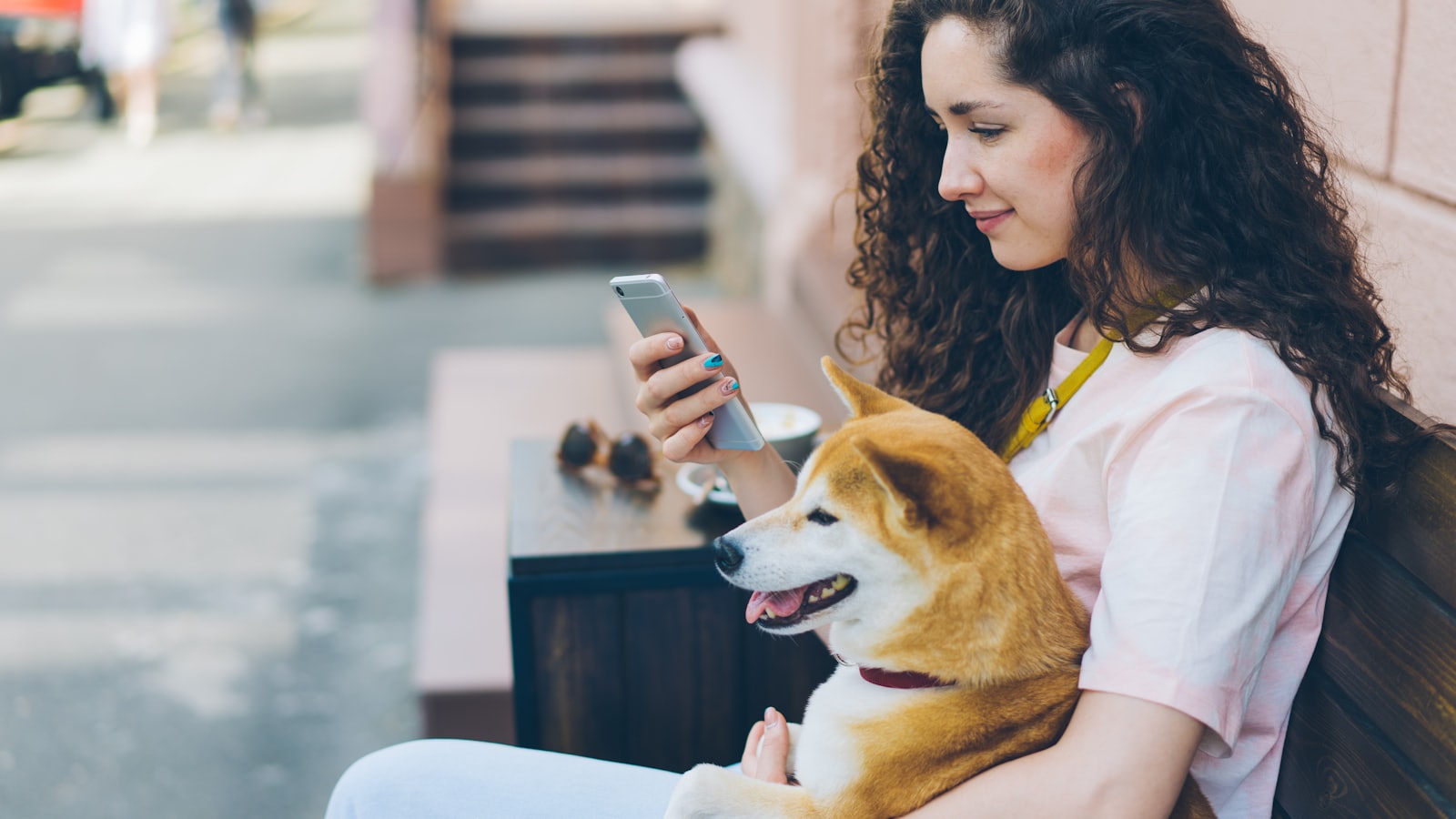
Your vet asks, “Has his weight changed? Is she drinking more than usual? How long has the limp been going on?” — and you're guessing, because the answers lived in your memory and your memory is busy. That gap is where problems hide. Pak Social's health tracker exists to close it: it turns the small things you notice day to day into a trend line that spots slow changes early and hands your vet exactly what they need.
One weight is trivia. Six months of weights is a warning you can act on.
📋 Quick Read
- A single data point tells you almost nothing; a trend tells you the story — and slow, dangerous changes only show up as trends.
- Logging is quick and turns scattered observations — weight, symptoms, meds, activity — into charts you and your vet can actually read.
- The tracker's real payoff is early detection and better vet visits: you arrive with a timeline instead of a shrug.
Why a trend beats a snapshot
Weigh your dog once and you have a number with no meaning. Weigh them monthly and a slow two-pound creep — the early edge of a weight problem that strains joints and organs — becomes an obvious upward line. The same goes for thirst, appetite, energy, and mobility: the danger is almost always in the direction of change over time, not any single reading. Pak's tracker is designed to surface that direction, so you catch the drift while it's still easy to correct.
Quick to log, easy to read
The tracker keeps logging light: a weight here, a symptom note there, a medication, a mobility score, an activity total. Each entry takes seconds, and Pak does the assembling — plotting weight over months, charting a symptom's frequency, tracking a Pak Score like First-Step Stiffness over days. Instead of a shoebox of mental notes, you get clean charts that make patterns obvious at a glance, without you having to be the one connecting the dots.
Show up to the vet with the answers
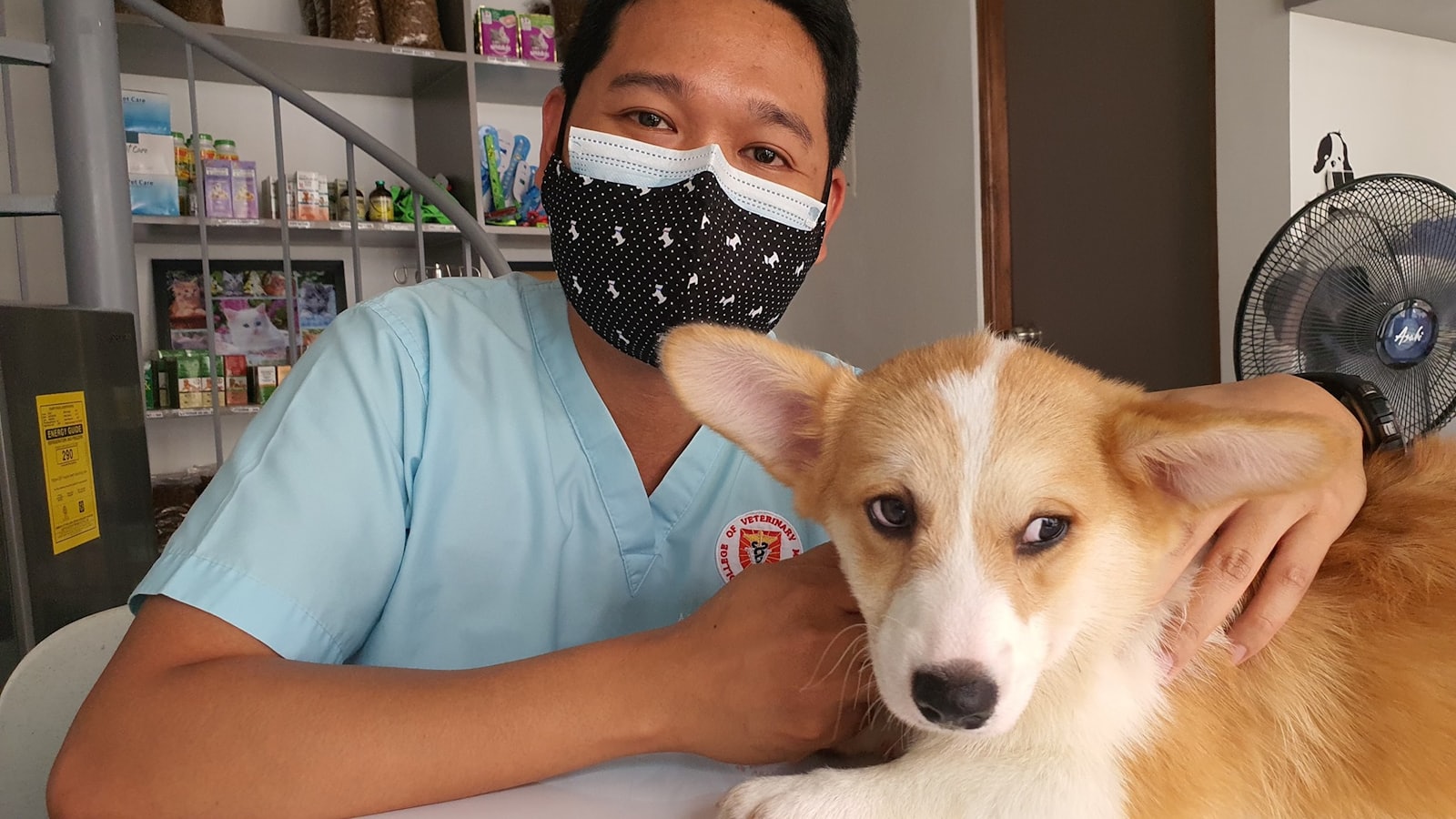
The payoff lands in the exam room. Instead of guessing when the limp started or whether the drinking really increased, you hand your vet a dated trend and a clear history. That turns a vague visit into a focused one — earlier detection, better questions, and decisions built on data instead of memory. Pak also nudges you: reminders for when a checkup or vaccination is due, so the routine care that prevents problems doesn't slip. The tracker's job isn't to replace your vet — it's to make every visit count.
🗓 This Week's Plan
- Days 1–2: Log a baseline — your dog's current weight and any symptoms or meds you're watching.
- Days 3–4: Add activity and, if relevant, a Pak Score (like First-Step Stiffness) to start a trend.
- Days 5–7: Turn on checkup and vaccination reminders so routine care never slips.
Start your dog's health trend in Pak Social
Log a baseline today and let the trends build. When something drifts, you'll catch it early — and walk into the vet with the answers already in hand.
Get Pak Social — Free ➡️ Up nextInside Pak's Health Records3 min read›