New-Puppy Vet-Visit Checklist
The first vet visit sets the tone for a lifetime of them — what to bring, what to ask, what happens on the table, and how to make it the happiest appointment of the week.
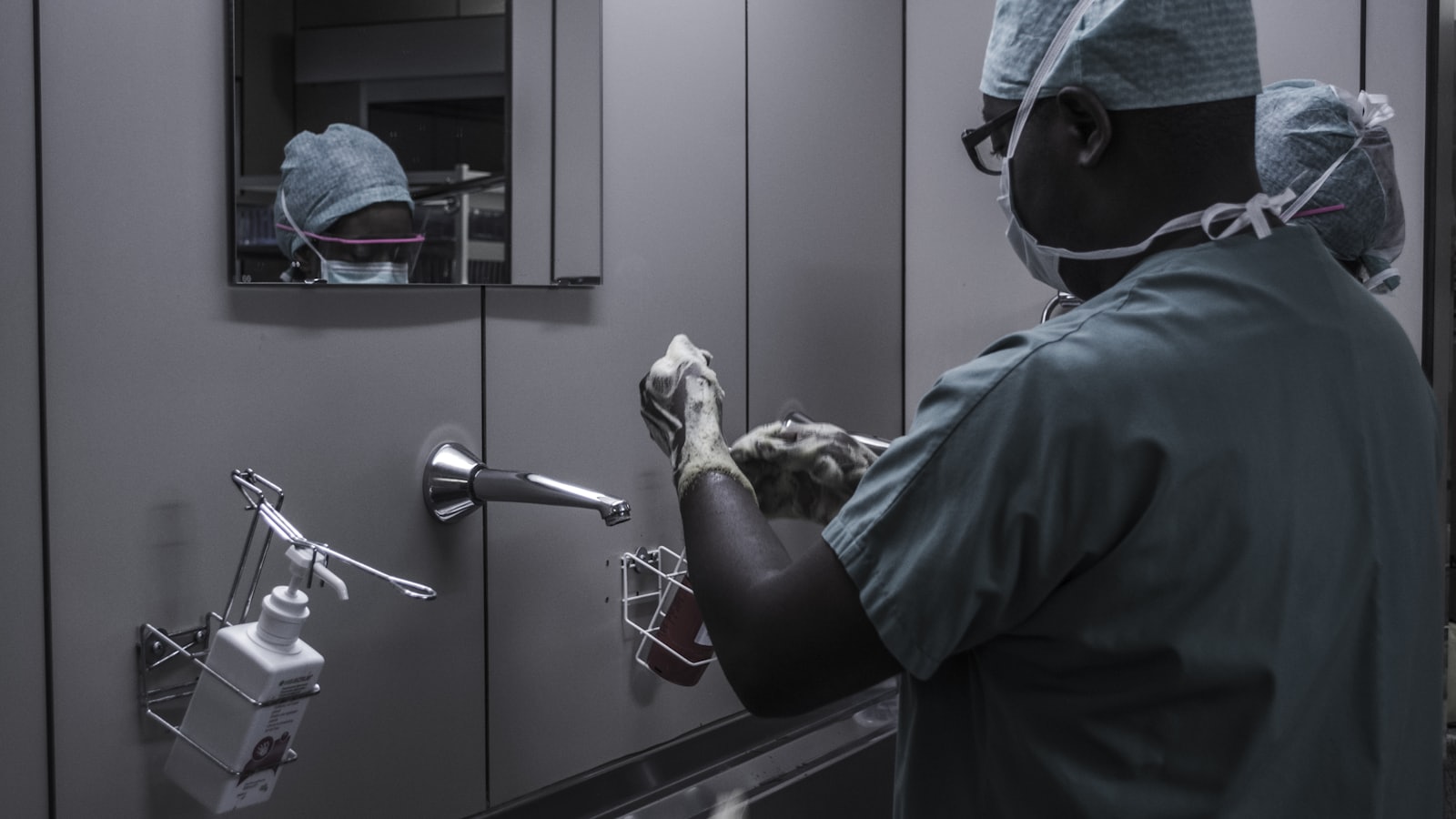
Somewhere in the first week home — between the crate setup and the name game — sits the appointment that starts your puppy's medical life: the first vet visit. Walk in unprepared and it's a blur of shots and pamphlets; walk in with the checklist and it becomes what it should be: the founding meeting of your dog's health team — records transferred, plans made, questions answered, and a puppy who learns that the clinic is where the cheese lives.
The first vet visit isn't a shot appointment. It's a hiring interview, a records transfer, and a cheese party — run it like all three.
📋 Quick Read
- Book it for the first week home regardless of vaccine timing — the visit establishes the baseline exam, transfers the breeder/shelter records, and starts the relationship every future emergency runs on.
- Bring the file: all paperwork, a stool sample (call ahead — most clinics want one), the food name, and your question list — including the two big scheduling conversations: vaccines and spay/neuter timing.
- Engineer the experience: hungry puppy, great treats, carried through the lobby (pre-vaccination rules), and cheese raining through every exam step — visit one is also vet-anxiety prevention.
What to bring (the file does half the visit)
The paperwork: every record from the breeder or shelter — vaccines given with dates and products, deworming history, the health guarantee, microchip number. The sample: call when booking and ask; most clinics want a fresh stool sample for the parasite check (a baggie and a same-day scoop — glamorous, essential). The details: exact food and amounts (the formula lesson's AAFCO statement gets a cameo), any observations from your first days (appetite, stool, the sleep pattern, anything odd — your rescue-lesson baseline log, already earning), and the question list written down, because exam rooms evaporate memory. And the logistics kit: carrier or carried entry (floors are off-limits pre-vaccination — the window lesson's rules), a hungry puppy, and the best treats you own, uncapped.
What happens, and the two scheduling conversations
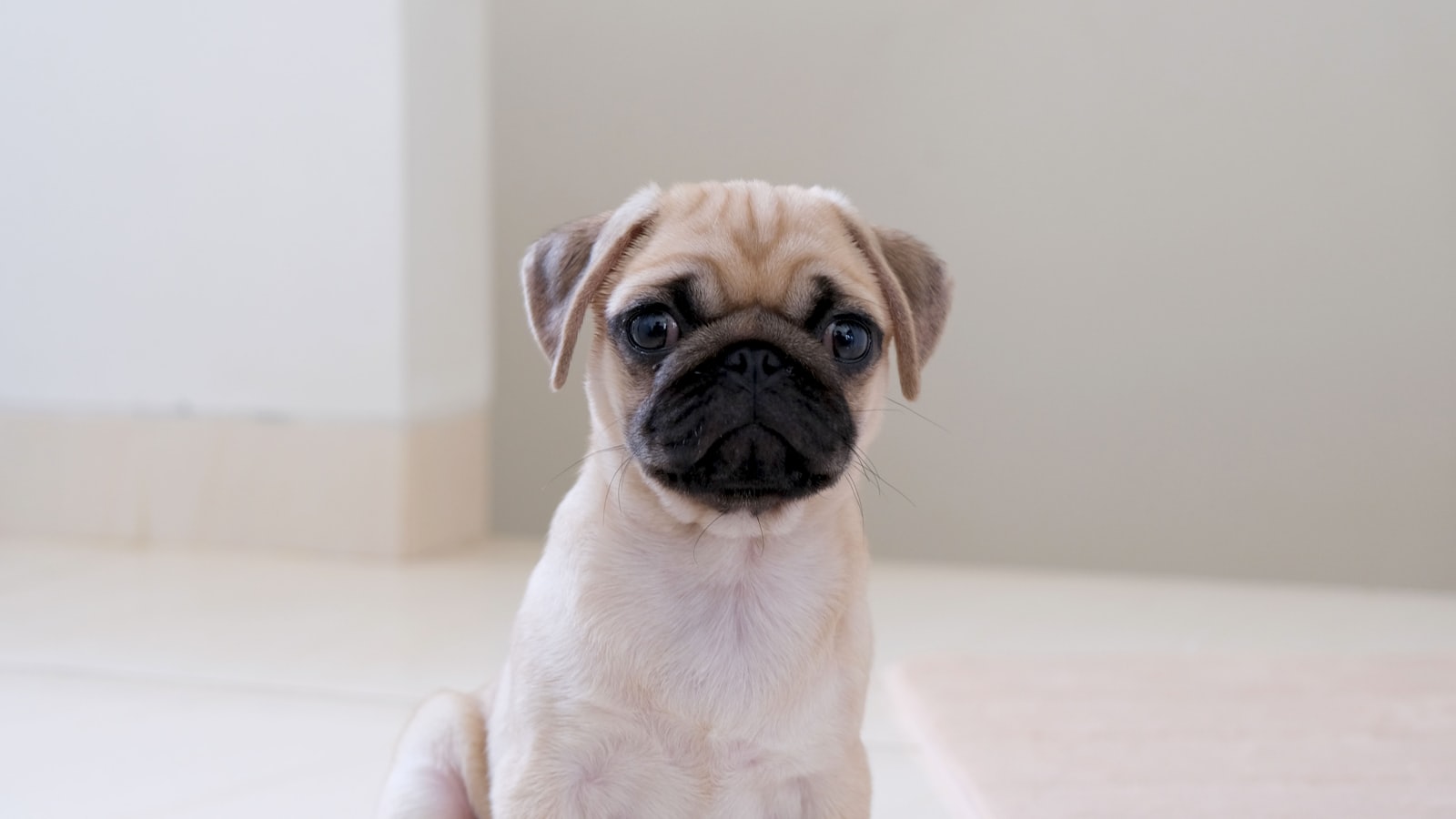
The exam runs nose to tail: heart and lungs (murmur check), belly palpation (hernias), bite and teeth, ears and eyes, skin and coat (parasite reconnaissance), joints and gait, weight (your growth curve's first data point) — narrated by any vet worth keeping, so ask what they're finding as they go. Then the two conversations that set calendars. Vaccines: the core series schedule against what's documented (typically finishing around sixteen weeks — the AAHA guidelines your vet works from), plus the lifestyle vaccines worth discussing for YOUR life (Bordetella for the daycare-bound, Lyme in tick country, per the tick lesson). And spay/neuter: the timing question has genuinely evolved — especially for large breeds, where later is increasingly recommended for orthopedic reasons — so treat it as an open discussion of your dog's breed, size, and situation rather than a default date; while you're there, ask whether a gastropexy bundle makes sense if you're raising a bloat-risk breed (the GDV lesson's homework).
The cheese agenda (visit one is also training)
Run the appointment as vet-anxiety prevention: puppy arrives hungry, treats flow in the parking lot, the lobby (carried), the scale (a jackpot moment — the scale becomes a friend for life), and through every exam step; ask the staff to feed too (they will, delightedly). Between the medical beats, keep it light — play a little touch game on the table, let the puppy explore the room's smells. Then cap it: this week and forever, the happy-visit habit from the vet-anxiety lesson — occasional drop-ins for a scale-and-cheese moment with nothing medical attached. The puppy who banks three happy visits for every real one grows into the dog who trots into the clinic — and that dog gets better medicine their whole life, because everything's easier when the patient isn't braced.
- Appointment booked inside week one
- All breeder/shelter records photographed and in hand
- Fresh stool sample (clinic confirmed they want it)
- Food name, amounts, and first-days observations
- Question list written — vaccines, spay/neuter timing, anything odd
- Microchip number ready for verification and re-registration
- Hungry puppy, great treats, carried-entry plan
🗓 This Week's Plan
- Days 1–2: Book the visit; photograph every record into the file; start the observations note.
- Days 3–4: Write the question list; confirm the stool-sample request; plan the carried entry.
- Days 5–7: Run the Full-File Visit with the cheese agenda; log the plan (vaccine dates, next visit, weights) before you leave the parking lot.
Build the first-visit file in Pak Social
Records photographed, questions written, cheese packed. One prepared hour this week hires your dog's health team and teaches them the clinic is wonderful — both for life.
Get Pak Social — Free ➡️ Up nextVet-Visit Anxiety: Cooperative Care Basics5 min read›