The First 90 Days: A Complete New-Puppy Roadmap
The internet makes the first three months sound like a final exam. It's really a rhythm — and here's the whole thing, one phase at a time.
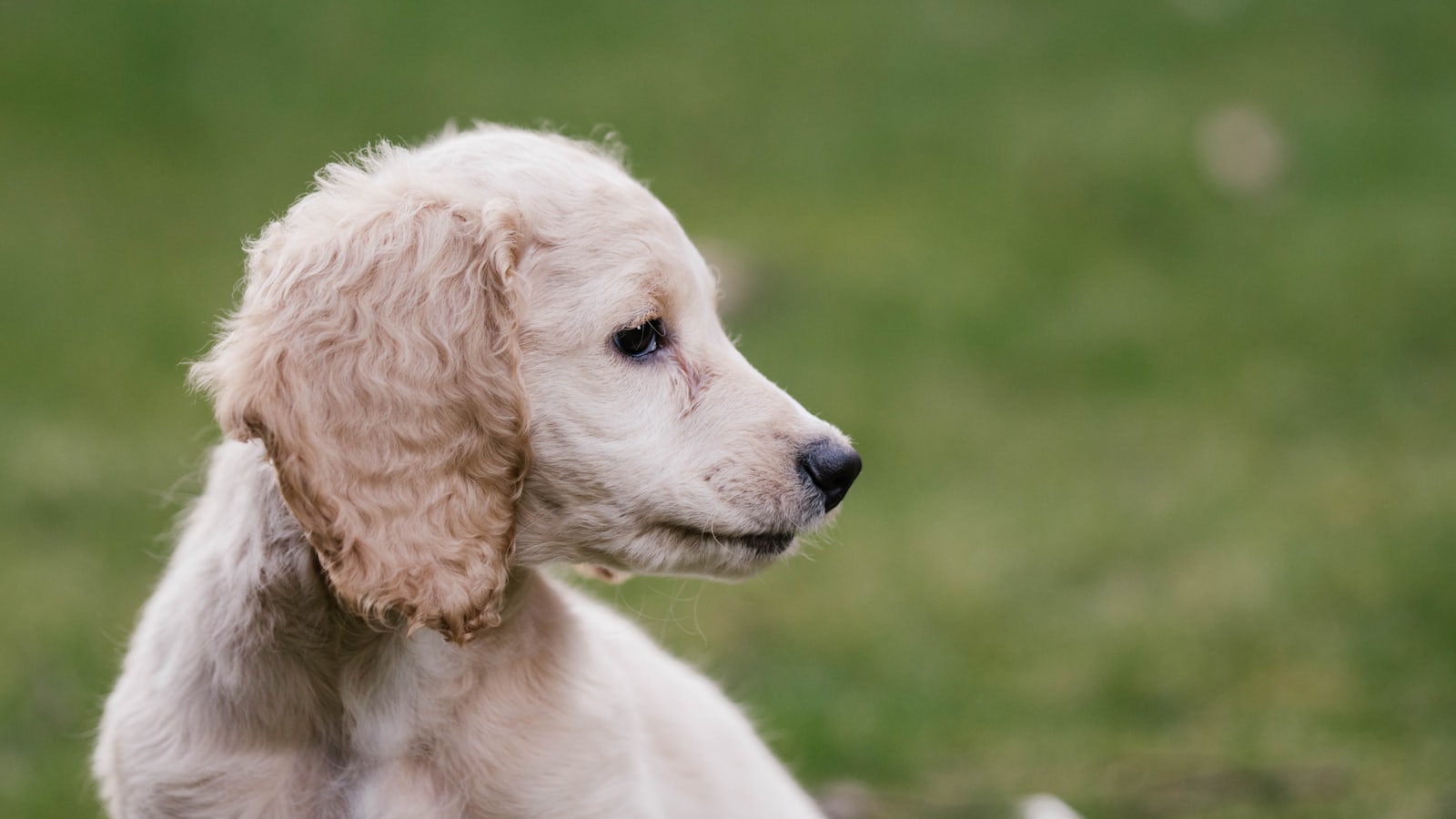
Night one, the puppy is finally asleep in the crate and you're on the couch scrolling — crate training, socialization windows, vaccine schedules, bite inhibition — feeling like you've been handed a dissertation due in ninety days. Take a breath. The first three months matter, but they're not a test you can fail by Tuesday. They're a rhythm you build: settle, then socialize, then stretch. Here's the whole roadmap in one place.
You're not raising a puppy for 90 days. You're writing the defaults for the next decade.
📋 Quick Read
- Week one has exactly two jobs: a predictable routine and a safe base camp. Skip the grand tour, the visitor parade, and the training bootcamp — rhythm first.
- Weeks 8–16 are the socialization window, when gentle, positive exposure to the world permanently shapes your dog's adult temperament. Quality and calm beat quantity every time.
- Housetraining, alone-time practice, and five-minute training sessions all run on the same engine: many small successes, zero drama about misses.
Days 1–7: base camp, not boot camp
Your only goals this week: a puppy who feels safe and a routine that repeats. Set up one room or pen as home base — crate, water, toys — and keep the world small. Same wake time, same meal times, potty breaks after every sleep, meal, and play session (young puppies may need to go out every 45 minutes when active). Visitors can wait a week; the neighborhood tour can wait too. A puppy who spends week one learning "this place is predictable and these people are kind" starts everything else from calm.
Expect the 3 a.m. crying, the first-night second thoughts, the "what have I done" moment around day three. All normal, all temporary. You're not behind — there is no behind in week one.
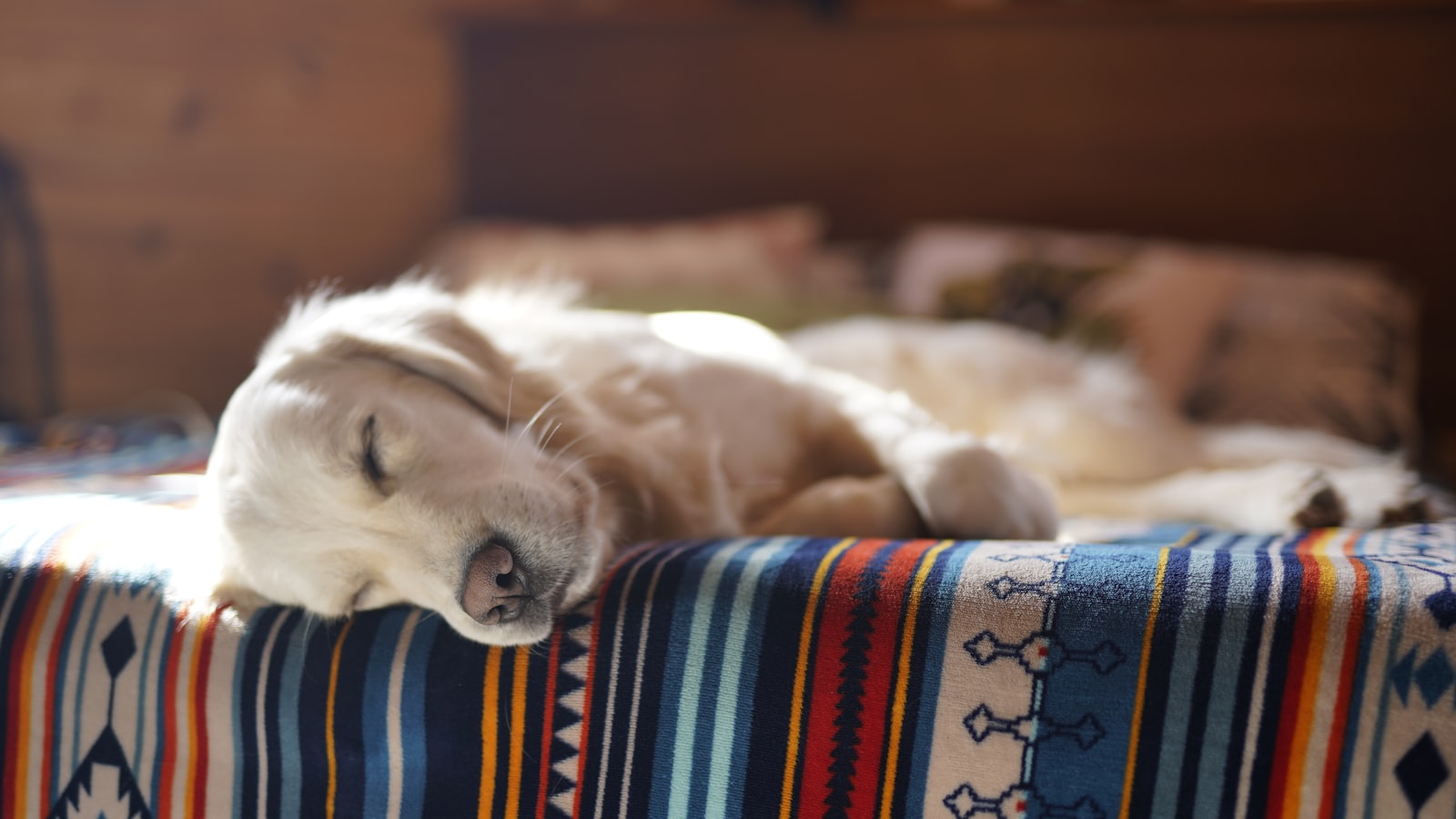
Weeks 8–16: the window that writes the adult dog
This is the famous socialization window, and it's real: gentle exposure now to different people, surfaces, sounds, handling, and calm dogs permanently shapes how your adult dog reacts to the world. But socialization is not a contact sport — it's your puppy observing a skateboard at a comfortable distance while cheese happens, not being mobbed at a dog park. Watch your puppy's body language and let them set the pace: curiosity forward is a green light, tucked tail and retreat means add distance and lower the intensity.
Before vaccinations are complete, be smart rather than housebound: carried outings, car rides, visits to vaccinated-dog friends, sitting on a bench watching the world. Ask your vet what's sensible in your area — the goal is maximum experiences at minimum disease risk, because an empty first four months carries its own long-term cost.
Housetraining: boring, rhythmic, and faster than you fear
The formula is unglamorous: out after every sleep, meal, play burst, and roughly every 45–60 active minutes; a quiet party (treat, praise) the instant business happens outside; and zero drama about indoor misses — clean thoroughly and move on. Punishing accidents doesn't teach "don't go inside," it teaches "don't go near the human," which is how you get a puppy who sneaks behind the couch. Progress isn't linear; a clean week followed by two accidents usually means freedom expanded faster than the bladder did.
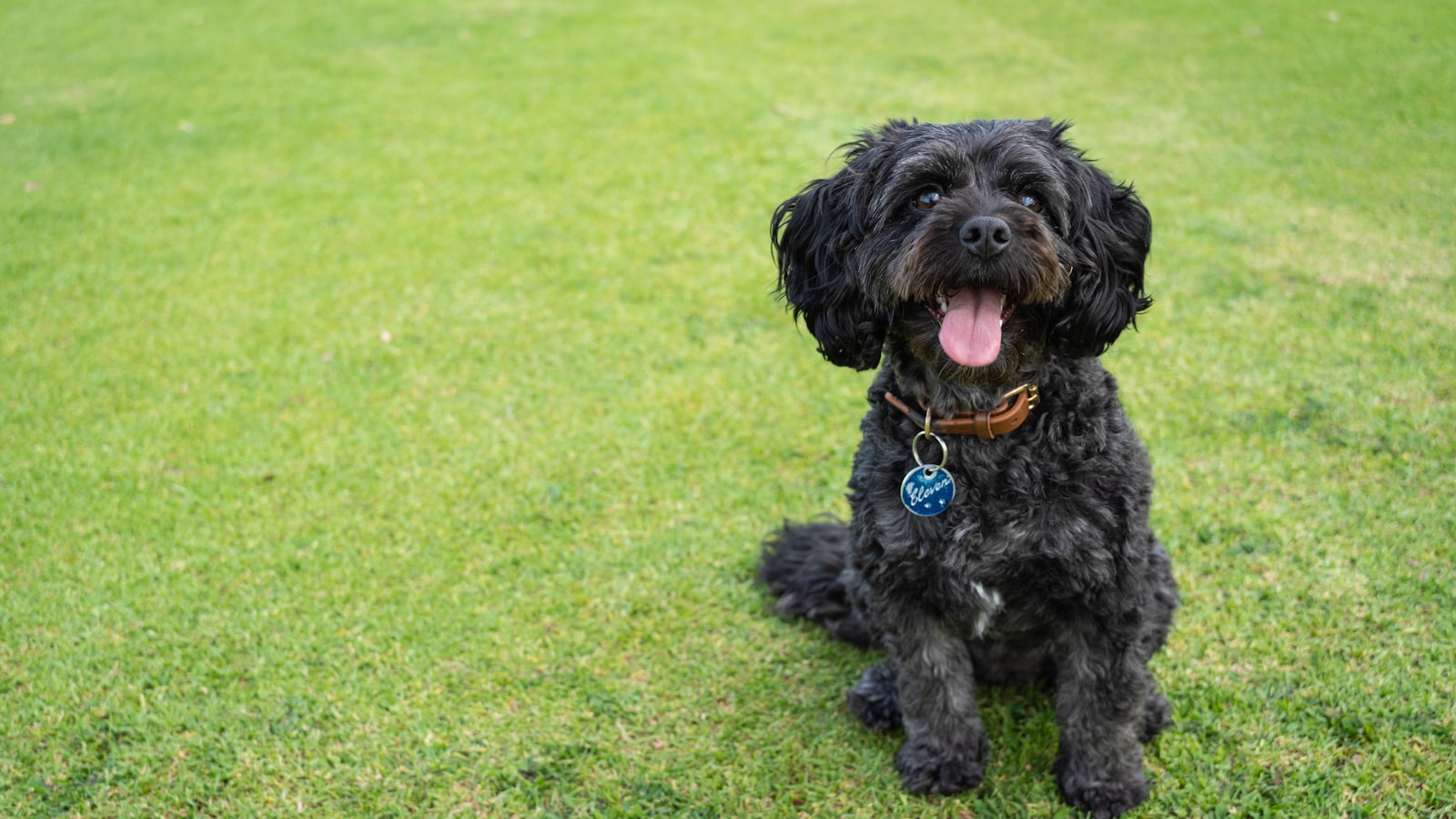
Alone-time: the skill everyone forgets until it's a problem
A puppy who is never alone learns that alone is abnormal — and that bill arrives months later as full-blown separation distress. From week one, build tiny, boring absences into the day: puppy settled in the pen with a chew while you shower, step outside for two minutes, work in another room. Return before distress starts, keep departures and arrivals unceremonious, and grow the durations gradually. You're teaching the most underrated lesson in dog ownership: humans leave, humans return, nothing interesting happens in between.
Training: five minutes, everywhere, forever
Formal obedience can start the day your puppy comes home — as long as it's positive-reinforcement and tiny. Name response, sit, hand target, "trade" for whatever's in their mouth: each is a two-minute game, played before meals and during TV ads. Puppy biting gets the same calm treatment — redirect to a toy, end the game if teeth keep finding skin, repeat several hundred times (that's genuinely the timeline; bite inhibition is a months-long project, not a weekend fix).
By day 90 you're not aiming for a finished dog. You're aiming for a puppy who sleeps through the night, potties outside more often than not, has met the world gently, can be alone for short stretches, and thinks training is the best game in the house. That puppy — that set of defaults — is the whole assignment.
🗓 This Week's Plan
- Days 1–2: Lock the routine — wake, meals, potty, play, sleep at the same times. Write it down where the whole household can follow it.
- Days 3–4: Start the exposure list (three new gentle experiences at your puppy's pace) and the first mini-absences.
- Days 5–7: Add two five-minute training games a day, and do a week-one review: what's settling, what needs shrinking.
Start the 90-Day Roadmap in Pak Social
Set up your puppy's routine today and let the app pace the window, the housetraining, and the daily five minutes. Ninety days from now, you'll have the dog those defaults built.
Get Pak Social — Free ➡️ Up nextBuilding a Daily Puppy Schedule4 min read›