Traveling With Your Dog: The Complete Guide
Road trips, hotels, and the open window debate — everything that separates a great trip with your dog from a cautionary tale.
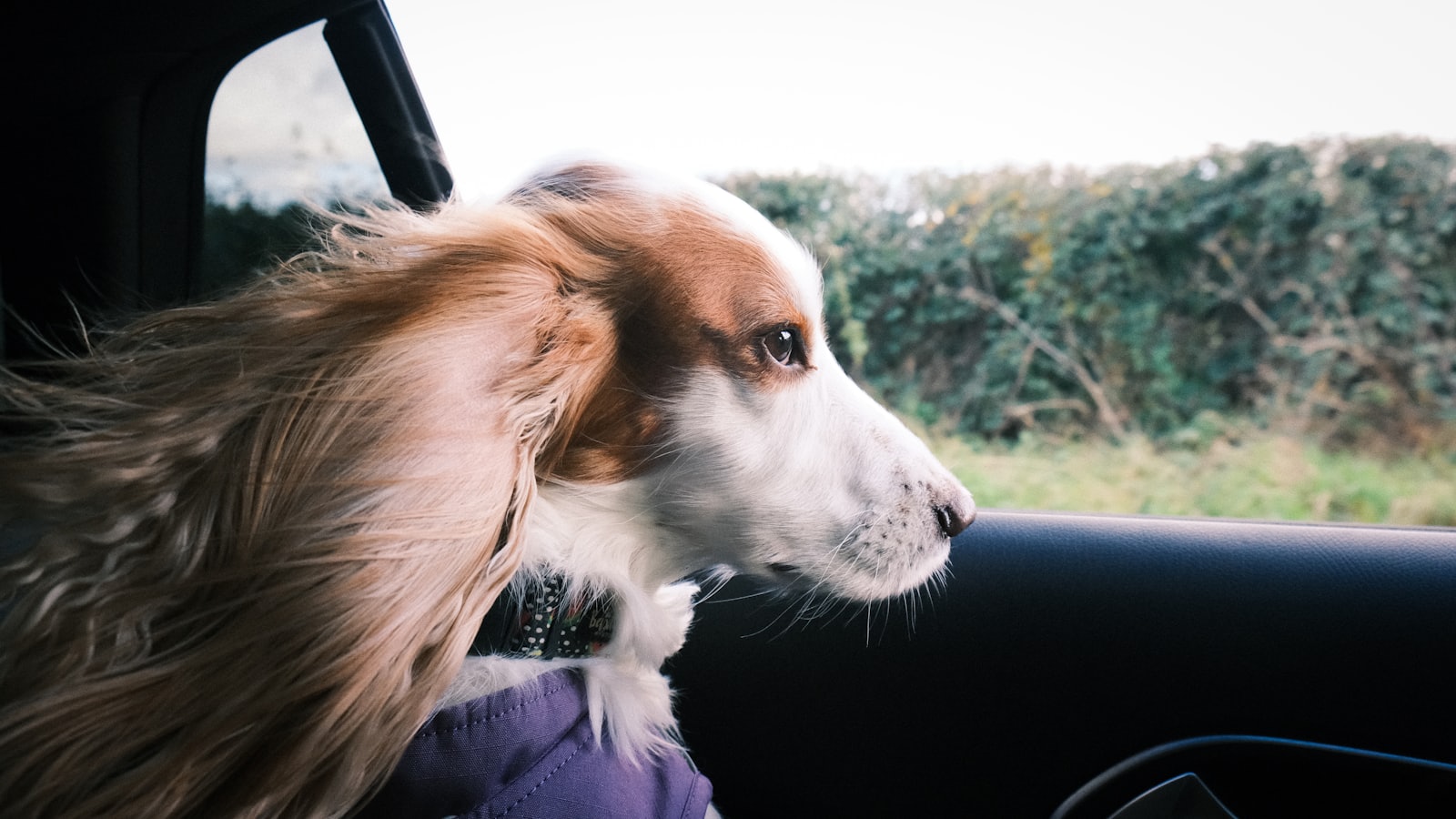
The suitcase comes out and your dog is already sitting in it — sold, packed, ready. You, meanwhile, have questions: crate or seatbelt? How often do we stop? What if the hotel says no? Traveling with a dog is one of the genuine joys of ownership, and almost every disaster story traces back to something preventable in the first hour of planning. So let's plan the first hour properly — the rest of the trip is the fun part.
Dogs don't ruin trips. Unprepared trips ruin dogs.
📋 Quick Read
- An unrestrained dog is a projectile in a crash and a distraction before one — a crash-tested harness or secured crate is the non-negotiable core of car travel.
- The rhythm of a good road day: stops every 2–3 hours for water and legs, no meals right before departure, and never — genuinely never — a dog alone in a parked car.
- ID is your insurance policy: tags current, microchip registration current, recent photo on your phone. Trips are exactly when dogs get lost.
Before you go: the boring hour that saves the trip
Two weeks out: check that ID tags are current and legible, microchip registration has your live phone number, and you have a recent clear photo of your dog. If your dog's car experience is limited to vet trips, run a few short pleasure drives — five minutes to somewhere fun — so the car doesn't predict needles. Longer or interstate trips are worth a vet check-in: overall fitness, any motion-sickness strategy, and paperwork if you're crossing borders. And book the dog-friendly lodging now, not from a parking lot at 9 p.m.
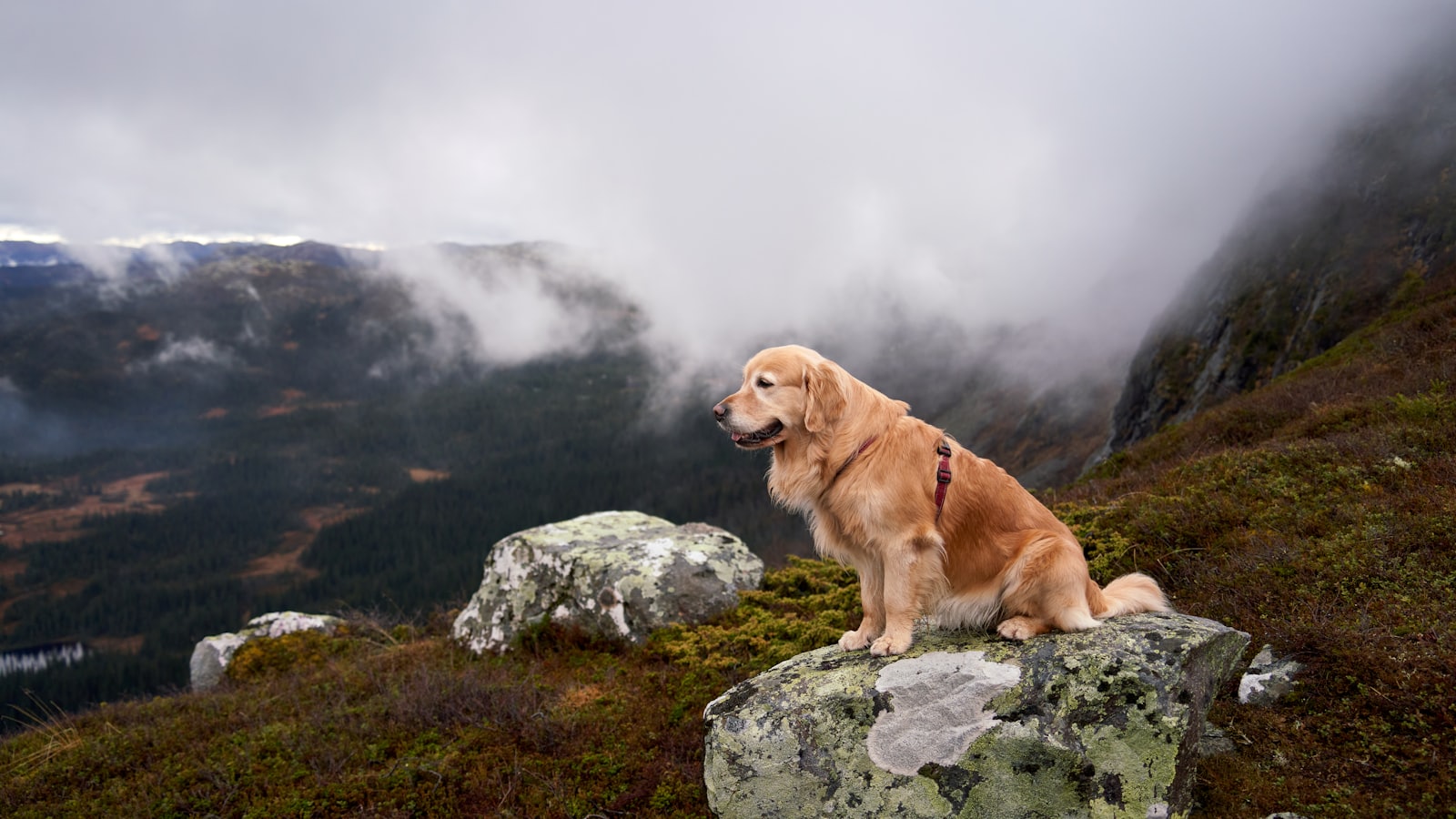
In the car: restraint, windows, and the empty-stomach rule
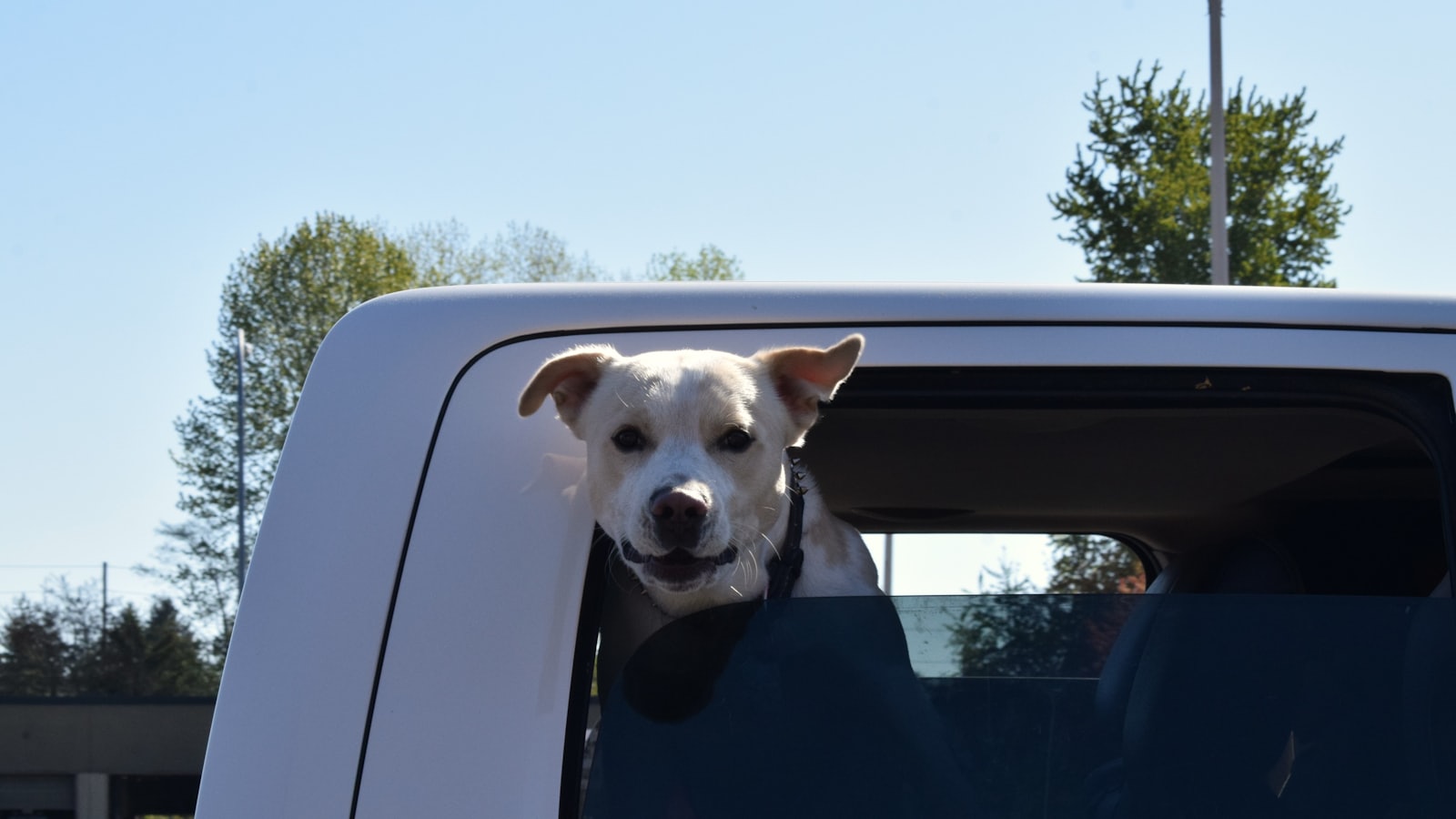
Restrain your dog every trip: a crash-tested harness clipped to the seatbelt system, or a crate secured so it can't slide or flip. Unrestrained dogs distract drivers, amplify injuries in a crash, and bolt through opened doors afterward. Back seat, not front (airbags are sized for adults), and skip the truck-bed entirely. The classic head-out-the-window pose? Charming, and vets advise against it — road debris at speed injures eyes and ears. Windows up or cracked, AC on.
Feed a few hours before departure rather than right as you leave — a full stomach plus motion is the recipe for a bad hour for everyone. Fresh water at every stop. If your dog still drools, pants, and looks miserable in motion, talk to your vet before the big trip; there are real options for motion sickness now, and "he'll power through" is not one of them.
Where you stay: be the guest that keeps hotels dog-friendly
Call ahead even when the listing says pets welcome — confirm size limits, fees, and where dogs are allowed. Bring your dog's own bed or crate: a familiar-smelling base camp turns a strange room into home base and dramatically cuts barking-at-hallway-noises. Keep the routine recognizable — same meal times, same evening walk shape. Never leave your dog alone in the room uncrated (housekeeping-meets-loose-dog is bad for everyone), and honestly, avoid leaving them alone at all in a place this new.
Flying: the honest paragraph
Small dogs who fit in an under-seat carrier can fly relatively low-drama with practice and an airline-approved bag. Cargo is a different calculation — stress, handling, temperature — and for short-nosed breeds (bulldogs, pugs, boxers and kin) the AVMA flags meaningfully elevated respiratory risk in flight; many airlines restrict them outright. The honest rule: fly your dog when the destination requires it, drive when the destination allows it, and for brachycephalic dogs treat cargo as off the table unless your vet says otherwise.
- Food portioned per day, plus treats
- Water jug and a no-spill bowl
- Crash-tested harness or secured crate
- Leash, plus a spare in the glovebox
- Bed or blanket that smells like home
- Poop bags and a cleanup kit
- Vet records, meds, and vet's phone number
- Recent photo + current ID tags and chip registration
🗓 This Week's Plan
- Days 1–2: Audit the reunite kit — tags legible, microchip registration current, fresh photo taken.
- Days 3–4: Fit and test the car restraint on a ten-minute pleasure drive; note your dog's stress tells.
- Days 5–7: Build the packing kit from the checklist and book the Trial Night for before your next real trip.
Build your dog's travel profile in Pak Social
Load the records, verify the chip, take the photo. Do the boring hour now, and every trip after this is just the fun part.
Get Pak Social — Free ➡️ Up nextTravel Crates and Carriers5 min read›