Trick Training for Bonding
Spin, weave, play dead, tidy up — 'useless' tricks are secretly the best relationship work in dog ownership: zero stakes, pure play, and a dog who learns that learning with you is the best game there is.
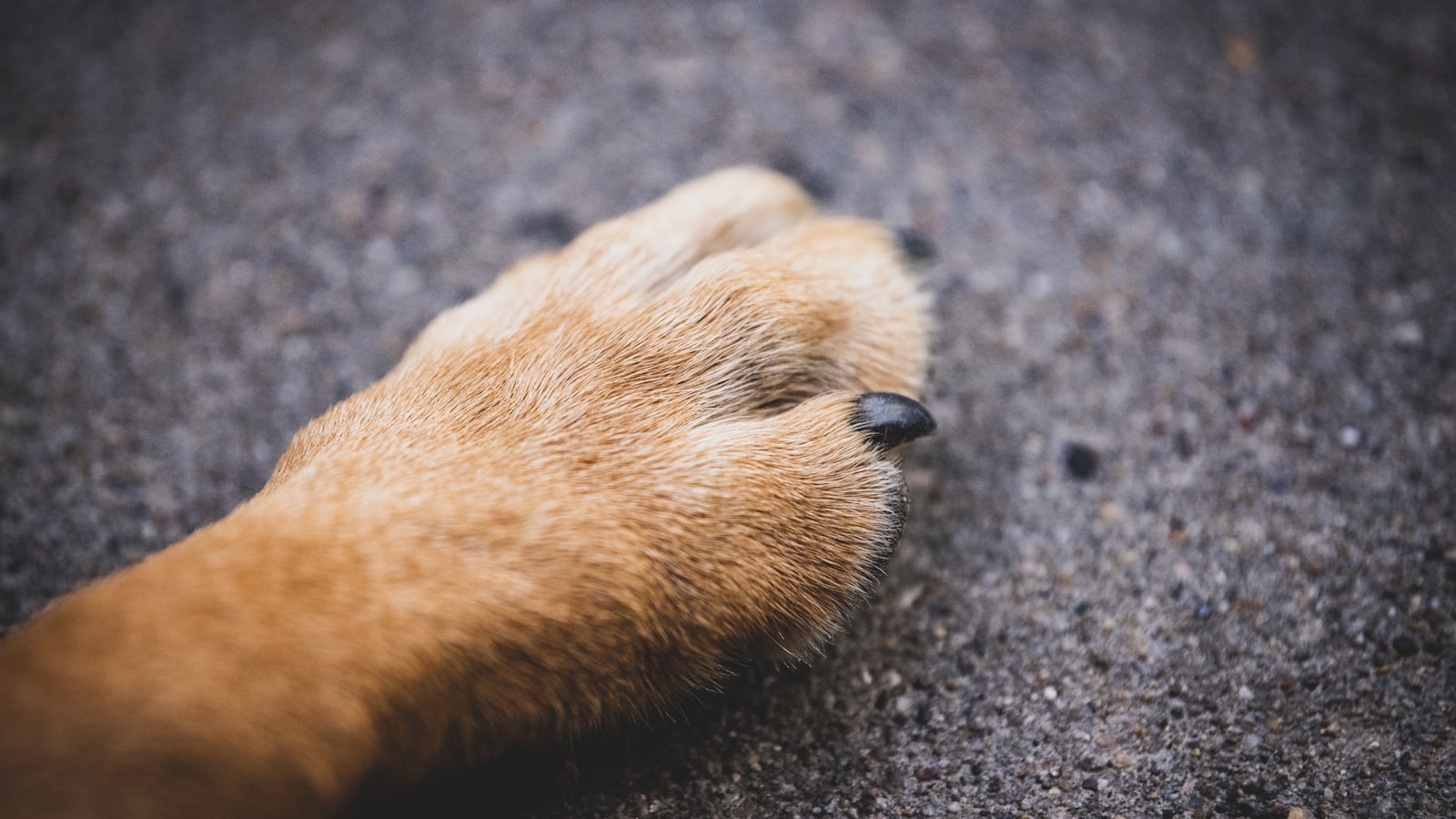
Obedience has homework energy: sit MATTERS, recall is SAFETY, stay is SERIOUS. Tricks have none of that weight — nobody's life depends on a spin — and that's precisely their magic: trick training is the only training where neither of you can fail at anything important, which turns out to be the exact condition where dogs learn fastest, owners loosen up, and the relationship does its best compounding. The tricks are the excuse. The bond is the product.
Nobody needs a dog who plays dead. Everybody needs the fifteen minutes a day of laughing together that teaching it took.
📋 Quick Read
- The stakes-free effect is real: because tricks carry no consequence, owners train looser, mark better, and laugh more — and dogs mirror it, offering behaviors freely (the shaping lesson's engine, running on pure play).
- Tricks are skills-training in disguise: every trick sharpens your timing, your dog's body awareness, and the learn-how-to-learn loop that accelerates all future training — plus the AKC Trick Dog titles gamify the whole ladder if you like structure.
- The bonding mechanism is the session itself: short, successful, cooperative problem-solving with treats and laughter is about as close to a relationship-building prescription as dog ownership gets.
The starter five (each teaches a mechanic)
Spin: lure a nose in a circle, fade to a finger twirl — teaches lure-fading in one evening (the fading lesson's mechanics, pocket-sized). Paw/high-five: capture the paw lift (the shake lesson's cousin) — teaches capturing. Weave through your legs: lure figure-eights as you step — teaches following a moving target and builds hind-end awareness. Back up: step toward your dog and mark the reverse step — teaches shaping in slivers and body awareness most dogs never develop. Play dead: from a down, lure the hip-roll (the roll-over lesson's first half) and hold — teaches duration on a relaxed position. Each is five-minute-sessions material (the training lessons' cap), each ends on a win, and each is chosen because the MECHANIC transfers: by trick five, you're a measurably better trainer than obedience alone would have made you — and your dog is a measurably faster learner.
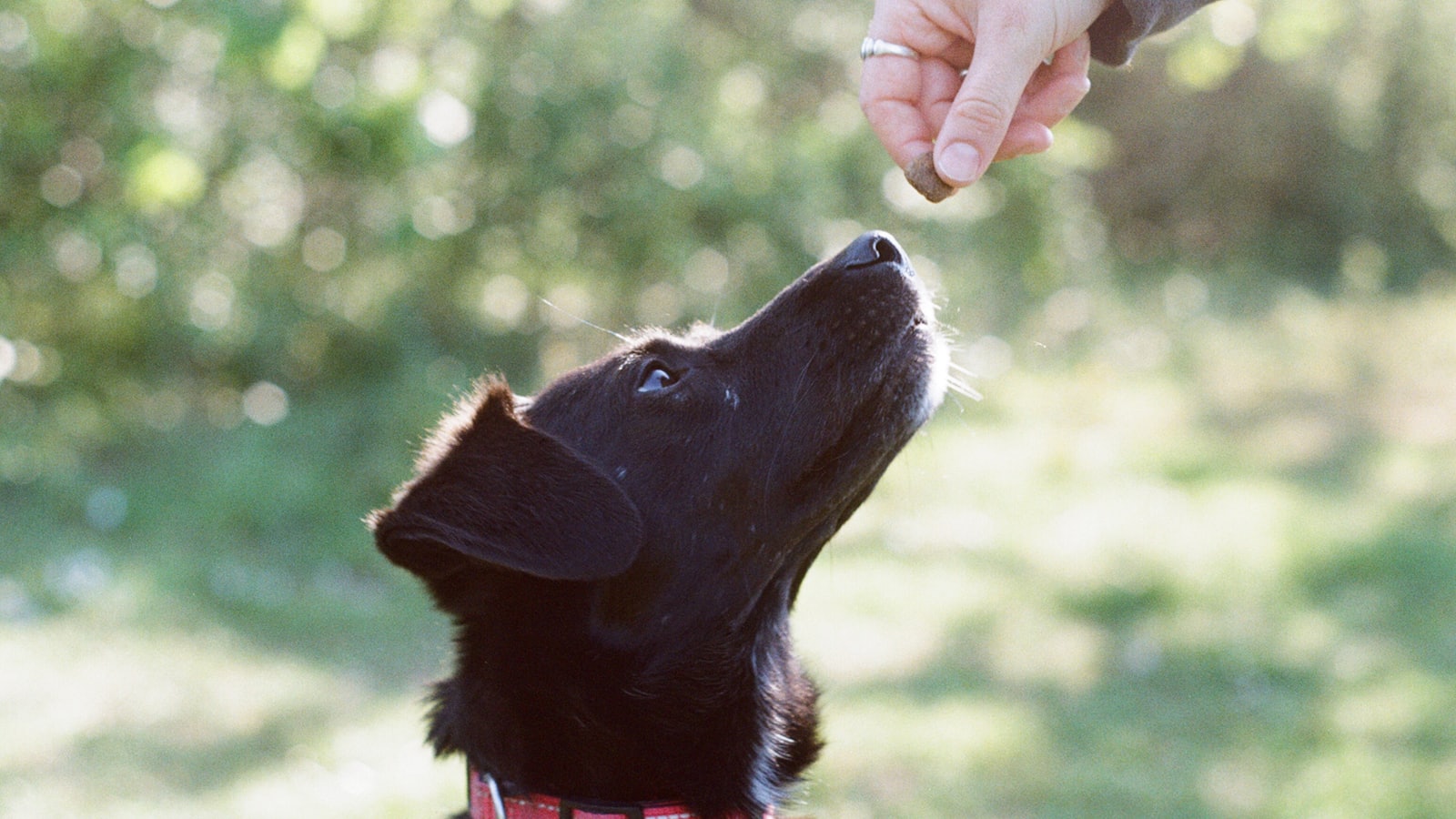
Run it as pure play (the rules that keep it bonding)
Sessions stay short (five minutes, twice a day beats one grinding twenty), rates stay high (this is the one gym where over-paying has no downside), mistakes stay funny (a failed weave is a wiggle, not a setback — laugh and re-cue), and endings stay early (quit while both of you want more — the appetite carries to tomorrow). Match tricks to the dog: the herder wants motion tricks (weaves, spins, leg-work), the retriever wants object tricks (hold, fetch-a-named-thing, the tidy-up chain from the carry lessons), the senior wants the gentle catalog (chin rests, head tilts, paw work — the senior-enrichment lesson's syllabus), and the shy dog wants the confidence ladder (targeting, station work — the shy-rescue lesson prescribes exactly this). And protect the vibe fiercely: the moment a trick session feels like homework — yours or theirs — shorten it, easy-win it, and end it. The vibe IS the product.
The ladder, the titles, and where it leads
If structure motivates you, the AKC Trick Dog program gamifies the whole path: Novice (ten tricks from their checklist — the starter five plus the shake, roll-over, and bow lessons get you most of the way), then Intermediate, Advanced, Performer, and Elite — each a fun audit of skills you were building anyway, testable through evaluators including virtually. And the ladder leads places: trick chains become the tidy-up and named-object work of the retrieval lessons, body-awareness tricks feed canine fitness and the dog-sports lessons (the rally and agility on-ramps), and the shaping fluency you both built becomes the fastest route through every future behavior this library teaches. But the titles are garnish. The product was always the fifteen daily minutes of cooperative laughter — the cheapest, most renewable relationship deposit in dog ownership, disguised as a dog who can play dead on a finger-gun.
🗓 This Week's Plan
- Days 1–3: Teach the spin to party-ready (lure, fade, cue) in five-minute sessions — and notice your own timing improving.
- Days 4–5: Add the high-five via capture; keep the rates high and the vibe light.
- Days 6–7: Start the leg weave; log the offer rate; laugh at the failures on purpose.
Start the Starter Five in Pak Social
One spin, five minutes, tonight. Nobody needs a dog who plays dead — but the two of you laughing through teaching it is the whole point of having a dog.
Get Pak Social — Free ➡️ Up nextRally and Obedience for Fun5 min read›