Why Daily Walks Matter: Body and Brain
It's not about the bathroom. The daily walk is your dog's gym, newspaper, and therapy session in one — and it's quietly good for you too.
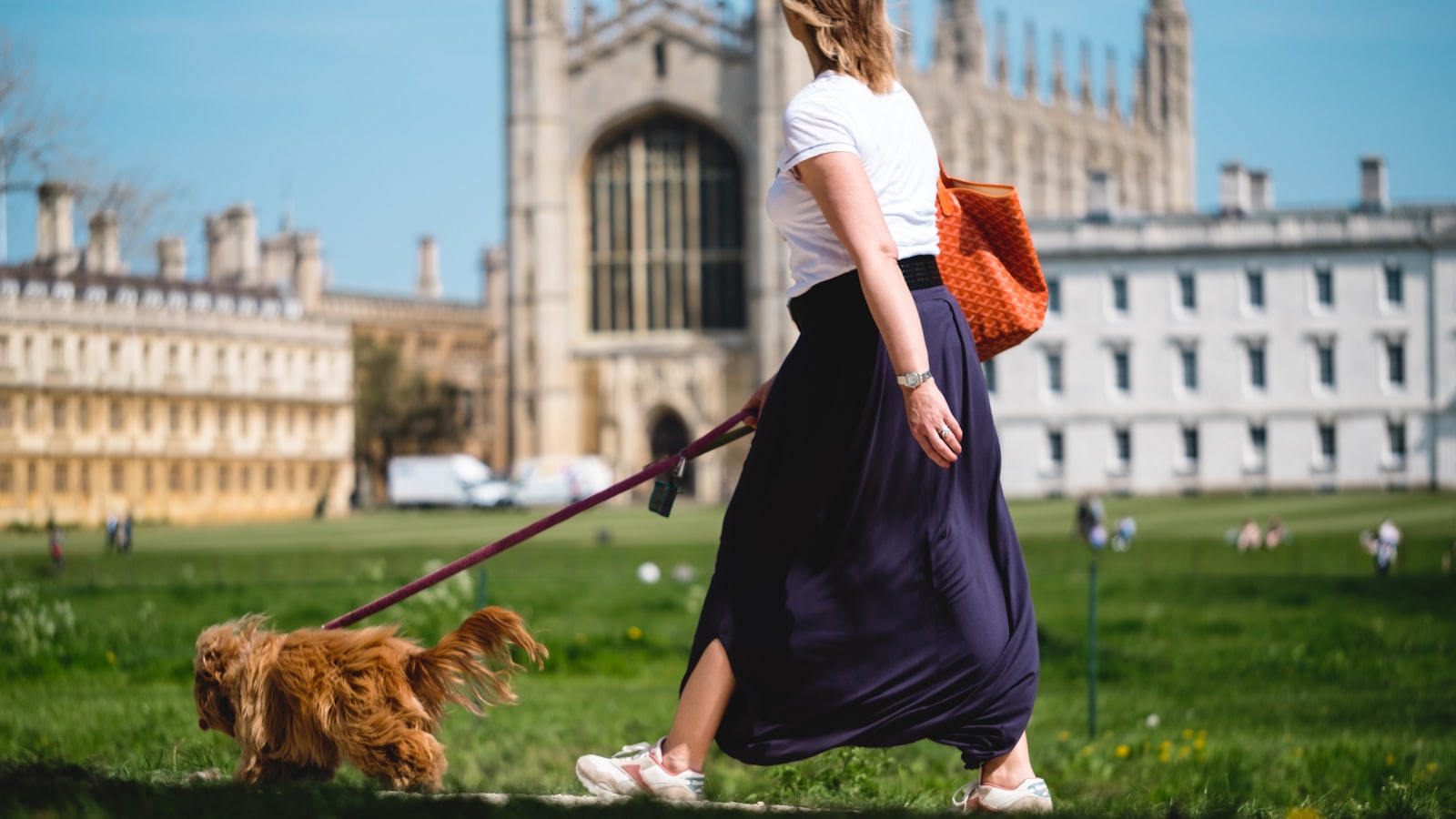
There's a moment every owner knows: it's drizzling, you're tired, the yard is right there, and you think — does he really need the walk today? Here's the reframe that settles it: the walk was never about the bathroom. It's the one block of the day built entirely around your dog's body and brain at once. Skip the walk and the yard covers the plumbing — and nothing else.
A walk is the cheapest health plan your dog will ever have.
📋 Quick Read
- Physically, regular walks pull triple duty: weight control, joints kept in working motion, and a digestive and urinary system that runs on schedule (VCA lists all four).
- Mentally, the sniffing IS the walk: scent is how dogs read the neighborhood news, and a sniff-rich twenty minutes tires a brain more than a brisk sniffless forty.
- Most vets suggest somewhere between 30 minutes and 2 hours of daily exercise depending on breed, age, and health — and the walk is the backbone that's easiest to keep.
What the body gets
Veterinarians list the physical wins plainly: walking burns excess calories and holds weight down (obesity being one of the most common and most consequential problems vets see), keeps joints — even old ones — moving and functional, and regulates the digestive tract and bladder with routine outdoor trips. For seniors, the prescription usually isn't retirement from walks but gentler, more frequent ones: motion is exactly what stiff joints need, in doses the dog sets.
What the brain gets (let them sniff)
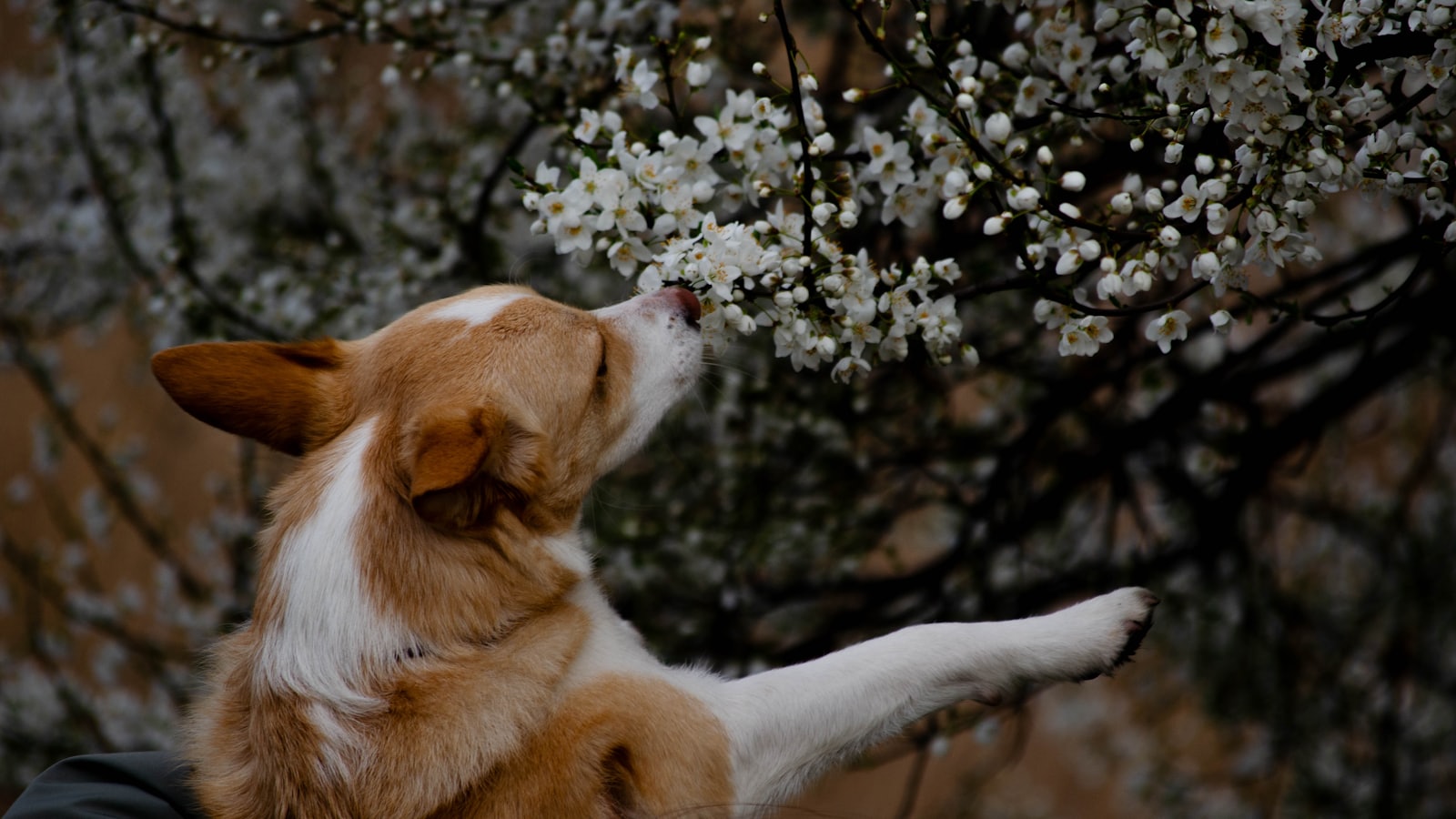
Watch your dog at a lamppost and you're watching someone read the paper: who passed, how long ago, what direction. Sniffing is concentrated cognitive work, and walks where dogs are allowed to sniff freely appear to do more for their mental state than the same distance route-marched. Practical implication: build in "sniffy stretches" — sections where the agenda is your dog's nose, not your pace. A useful split is cardio first, sniffari home: brisk out-leg for the body, loose meandering back-leg for the brain.
The pattern most owners miss: "bad behavior weeks" and skipped-walk weeks line up embarrassingly often. Chewing, barking at the window, pacing at 9 p.m. — a bored dog manufactures a job. The walk was the job.
How much, and how to make it stick
The honest range from vets is wide — roughly 30 minutes to 2 hours a day depending on breed, age, and health — because a Border Collie and a senior Bulldog are different machines. Puppies get the five-minute rule of thumb: about five minutes of walk per month of age, once or twice daily, in several short sessions rather than one long haul. Watch your own dog: lagging, heavy panting, or lying down mid-route means shorter; a dog still orbiting the living room at 9 p.m. means more — or more sniffing.
Habit mechanics do the rest: anchor walks to fixed points (before coffee, after dinner), lay the leash by the door, and count streaks. Weather is the great excuse-maker — have a rain plan (shorter loop, towel by the door) rather than a cancellation policy.
🗓 This Week's Plan
- Days 1–2: Anchor the schedule — same two walk times daily, leash staged by the door.
- Days 3–4: Run the first Sniffari and compare the evening to a normal day.
- Days 5–7: Add five minutes to your baseline walk and log the post-walk settle each day.
Start your walk streak in Pak Social
Log this evening's walk and keep the chain alive. The cheapest health plan your dog will ever have is already attached to the leash.
Get Pak Social — Free ➡️ Up nextRainy-Day Indoor Enrichment5 min read›