Diabetes in Dogs: Spotting It Early
Drinking the water bowl dry, endless bathroom trips, weight dropping despite a big appetite — diabetes announces itself in four classic signs, and catching them early changes everything.
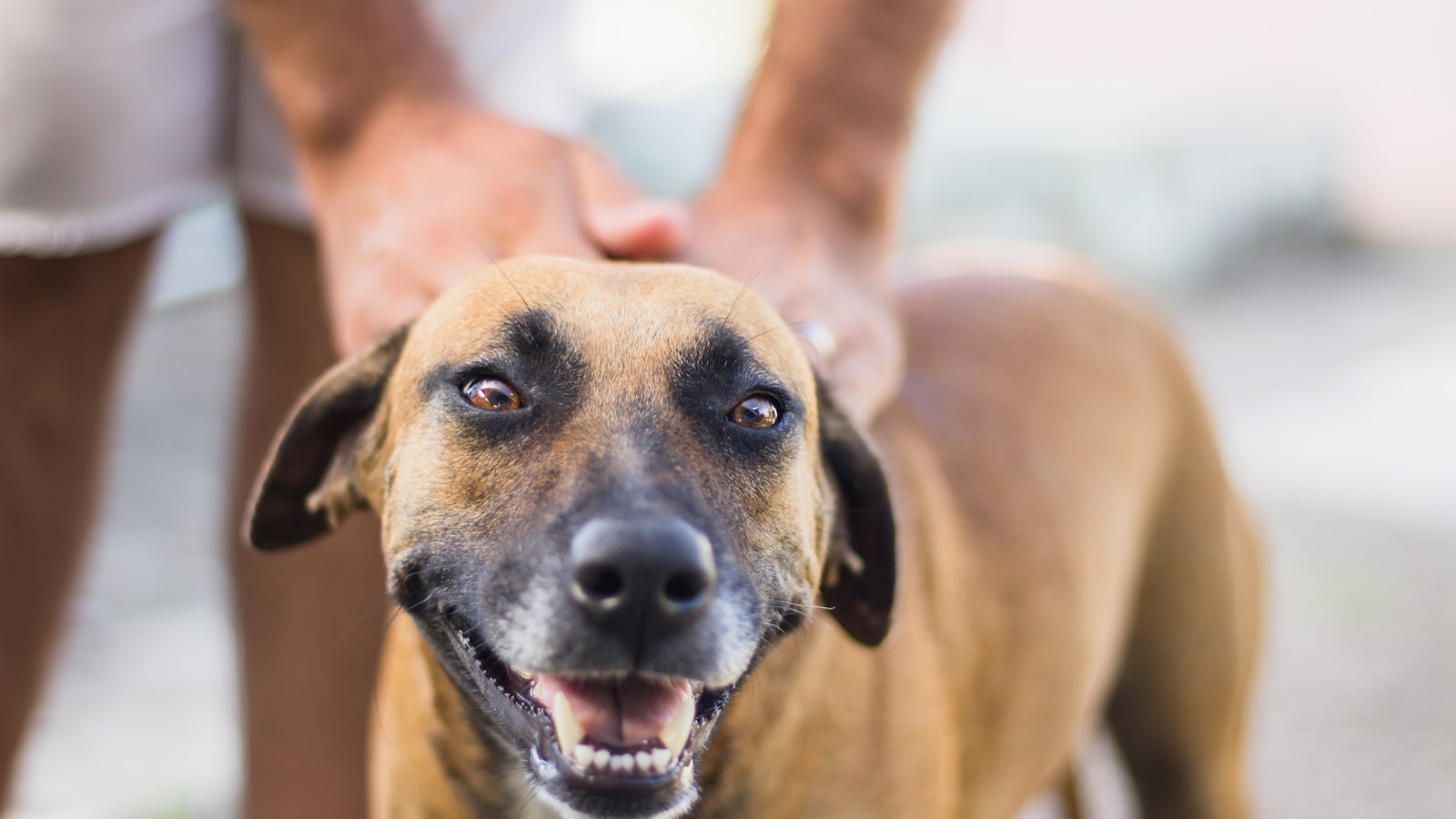
The signs sneak in disguised as quirks: the water bowl needs refilling more often, the house-trained dog has an accident, the appetite is huge but the weight is somehow dropping. Individually, easy to explain away. Together, they're the classic quartet of canine diabetes — a manageable disease when caught early and a life-threatening emergency when missed — and the difference between those outcomes is often just an owner who noticed the pattern and made the call.
Diabetes whispers in four signs before it shouts: more drinking, more peeing, more eating, less weight. Hear the whisper.
📋 Quick Read
- The classic four: excessive thirst, excessive urination, increased appetite, and weight loss despite eating well — the diagnostic quartet vets ask about, and the reason the water bowl and the bathroom schedule are worth noticing.
- It's diagnosable and manageable: blood and urine tests confirm it, and most diabetic dogs live full lives on insulin, diet, and routine — but untreated diabetes progresses to a genuine emergency (ketoacidosis).
- Risk skews toward middle-aged and older dogs, some breeds, and overweight dogs — and the whole game is early detection, because caught early it's management, caught late it's a crisis.
Know the quartet (and track the baselines that reveal it)
The four signs, and why each is worth noticing: excessive thirst (the water bowl emptying faster, the dog seeking water in new places) — which is why knowing your dog's normal intake matters; excessive urination (more frequent trips, larger volumes, accidents in a house-trained dog, needing to go overnight when they never did) — the house-training regression that's actually a medical flag; increased appetite (ravenous, food-obsessed, acting starved) paired, tellingly, with weight loss (dropping pounds despite the big appetite — the combination that separates diabetes from simple overeating). Any one is easy to dismiss; two or more together is a vet-visit pattern, and the sooner the better. Later signs — lethargy, cloudy eyes (diabetic cataracts are common and can come on fast), vomiting, a sweet or acetone breath smell — signal progression and urgency. The whole surveillance system is just knowing your dog's normal: the water intake, the weight trend, the bathroom rhythm the health lessons have been logging all along.
Why early detection is the whole game
Diabetes rewards early catching more than almost any chronic canine disease. In the whisper phase, diagnosis is straightforward (a vet visit, blood glucose, urine glucose — often same-day answers), and management, while a commitment, is very doable: most diabetic dogs go onto insulin injections (given at home, twice daily with meals — owners are routinely nervous and routinely fine within a week), a consistent diet and feeding schedule (the feeding lesson's metronome becomes medically load-bearing — same food, same times, coordinated with insulin), and monitoring (vet rechecks, sometimes home glucose tracking). On that regimen, diabetic dogs commonly live full, happy, multi-year lives. Missed, the disease progresses to diabetic ketoacidosis — vomiting, weakness, collapse, a genuine ICU emergency with real mortality — and even short of that, the untreated dog suffers (the cataracts, the muscle wasting, the misery of unregulated glucose). The gap between 'manageable condition' and 'emergency' is measured in how early the owner noticed the water bowl.
The risk map and the manageable life
Know where vigilance pays: diabetes skews toward middle-aged and senior dogs, certain breeds carry higher risk, unspayed females and dogs with a history of pancreatitis or on certain long-term medications warrant extra attention, and obesity is the big modifiable factor (the body-condition and weight lessons are, among everything else, diabetes prevention). If your dog fits the higher-risk profile, the baseline-tracking habit graduates from good-practice to genuinely protective. And for the newly diagnosed: the life is manageable and the team makes it so — the vet sets the insulin and diet plan, the feeding-schedule and health-records lessons run the daily logistics (consistent meals, injection timing, glucose and weight logs the vet reviews), and the routine that felt overwhelming on day one becomes ordinary within weeks. Diabetes is one of the clearest cases in dog ownership where the boring habits — knowing the baseline, keeping the schedule, logging the trends — are quite literally what keep a dog alive and well for years.
🚨 Call Your Vet ASAP If…
- Two or more of the classic four — excess thirst, excess urination, increased appetite, weight loss — together warrant a prompt vet visit
- Sudden house-training accidents or overnight urination in a previously reliable adult dog
- Cloudy or bluish eyes developing (diabetic cataracts can progress quickly)
- Vomiting, marked lethargy, weakness, or sweet/acetone-smelling breath — possible ketoacidosis, an emergency: go now
This article is for education — it isn't a substitute for veterinary care.
- Drinking noticeably more / emptying the bowl faster
- Urinating more often, larger volumes, or overnight
- House-training accidents in a reliable adult dog
- Big appetite but losing weight
- New lethargy or reluctance to play
- Cloudy or changing eyes
- I know my dog's baseline water, weight, and bathroom rhythm
🗓 This Week's Plan
- Days 1–2: Establish the Baseline Three — water intake, weight, bathroom frequency — in the journal.
- Days 3–5: Run the early-warning check honestly against recent weeks; note any quartet members present.
- Days 6–7: If two-plus signs are present, book the vet with the baselines in hand; if not, set the baselines as ongoing tracked metrics.
Set the Baseline Three in Pak Social
Water, weight, bathroom rhythm — measured once, tracked onward. Diabetes whispers before it shouts, and the baseline is how you hear it in time to change the outcome.
Get Pak Social — Free