Dog Health Symptoms: When to Worry and When to Wait
A calm framework for reading your dog's symptoms — what you can watch briefly, and what means call now.
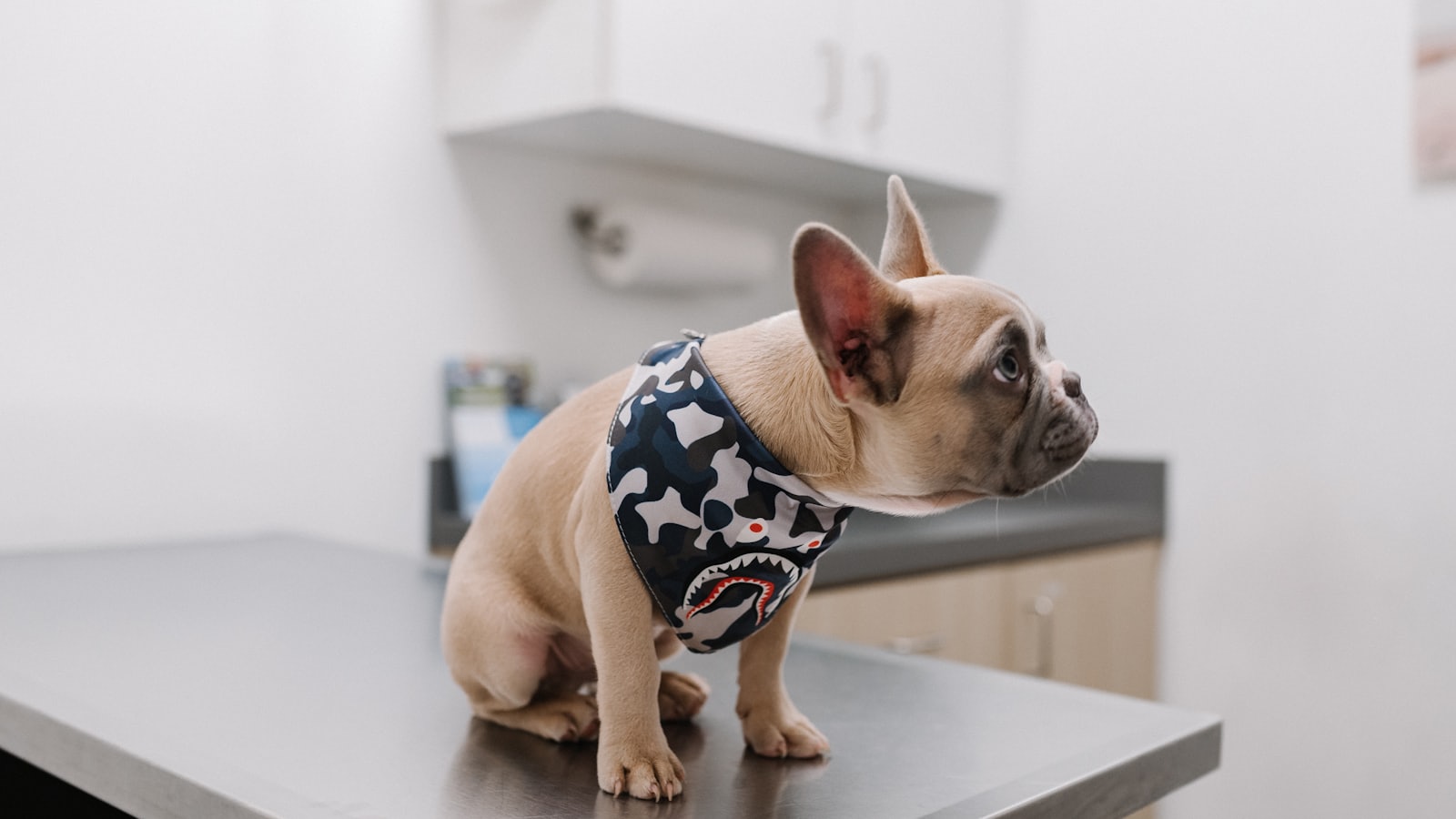
It's 9 p.m. Your dog skipped dinner and is curled up tighter than usual, and you're standing in the kitchen doing the math every owner knows: is this a vet visit, or is this nothing? You don't need a veterinary degree to make that call well. You need a simple way to sort what you're seeing — and the honesty to act on it. This lesson opens our Dog Health Signals series: learning to read your dog's body before small things become big ones.
One symptom is a data point. Two symptoms together is a phone call.
📋 Quick Read
- Symptoms rarely mean much alone — it's the combination that matters. Vomiting once is common; vomiting plus lethargy plus refusing food is a call-now pattern. ([AVMA](https://www.avma.org/resources/pet-owners/emergencycare/13-animal-emergencies-require-immediate-veterinary-consultation-andor-care))
- Per the AVMA, more than two episodes of vomiting or diarrhea in 24 hours — or either combined with obvious illness — is an emergency, not a wait-and-see.
- Dogs hide pain instinctively, so behavior changes (hiding, clinginess, restlessness at night) are often the earliest symptom you'll ever see.
First, the red list — signs that skip the waiting game
Some signs mean call your vet or the nearest ER immediately, day or night. Veterinary groups like the [AVMA](https://www.avma.org/resources/pet-owners/emergencycare/13-animal-emergencies-require-immediate-veterinary-consultation-andor-care) and [AAHA](https://www.aaha.org/resources/help-is-this-a-pet-emergency/) publish these lists for a reason: with breathing trouble, suspected poisoning, seizures, collapse, or a swollen hard belly, minutes matter and home observation has no role.
Memorize the shape of the list rather than every item: anything involving breathing, consciousness, nonstop bleeding, an inability to urinate, or sudden severe pain is a go-now. Everything else gets the sorting framework below.

The combo rule: one sign vs. two signs
Here's the sorting tool that does most of the work. A single mild symptom in an otherwise normal dog — one soft stool, one skipped meal, one vomit followed by tail wags and water drinking — is usually a watch-briefly situation ([VCA](https://vcahospitals.com/know-your-pet/vomiting-in-dogs)). But the moment a second sign joins the first, the picture changes: vomiting plus lethargy, no appetite plus hiding, diarrhea plus a tender belly. Combinations are how bodies say "this is systemic, not a fluke."
Age and health tilt the math too. Puppies, seniors, and dogs with chronic conditions dehydrate and decline faster — the same symptom deserves an earlier call.
Watch the right things, not everything
When you're in a watch-briefly window, observe like a vet tech, not a worrier. Track four things: appetite (eating normally, picking, refusing), energy (normal, quiet, can't-get-comfortable), intake and output (drinking, urinating, stool quality), and demeanor (seeking you out vs. hiding). Write down times. That's it — no prodding, no home tests, no internet diagnosis.
The meta-lesson of this whole series: owners who observe calmly catch things earlier than owners who panic-scan. Anxiety looks at the dog every five minutes; observation checks four specific things every few hours.

The 24-hour rule (and when it doesn't apply)
For a mild, single symptom in a healthy adult dog, a day of careful observation is generally reasonable — many minor GI upsets resolve within 24 hours ([VCA](https://vcahospitals.com/know-your-pet/vomiting-in-dogs)). But the rule has hard exits: the symptom worsens, a second sign appears, your dog won't drink, or anything on the red list shows up. And it never applies to puppies under six months, tiny breeds, seniors, or dogs with known conditions — for them, same-day advice from your vet is the safe default ([Merck Veterinary Manual](https://www.merckvetmanual.com/special-pet-topics/emergencies/emergency-care-for-dogs-and-cats)).
When in doubt, use the free tiebreaker: call. Describing what you see to your vet's front desk costs nothing, and per the AVMA, any concern warrants at minimum a phone call.
🚨 Call Your Vet ASAP If…
- Difficulty breathing, choking, nonstop coughing, or blue/grey/very pale gums
- Collapse, seizure, loss of consciousness, or sudden inability to stand or walk
- A swollen, hard belly — especially with restlessness or retching that produces nothing
- Repeated vomiting or diarrhea (more than twice in 24 hours), any blood in either, or vomiting with lethargy and refusal to drink
- Straining but unable to urinate, suspected poisoning, or any severe pain (crying out, trembling, guarding)
This article is for education — it isn't a substitute for veterinary care.
🗓 This Week's Plan
- Day 1: Record your dog's baseline — resting breathing rate, gum color, normal water intake, and typical energy at walk time.
- Days 2–3: Save your vet, nearest 24-hour ER, and ASPCA Poison Control (888-426-4235) in your phone favorites.
- Days 4–7: Practice one daily 60-second body scan (appetite · energy · intake/output · demeanor) and log it — you're building the habit before you need it.
Start your dog's Health Baseline in Pak Social
Log the baseline check this week and one daily 60-second scan. Within a week you'll know your dog's normal cold — which is exactly what makes 'not normal' impossible to miss.
Get Pak Social — Free ➡️ Up nextKennel Cough: Signs, Spread, and Recovery4 min read›