Kennel Cough: Signs, Spread, and Recovery
That sudden honking cough after daycare is usually kennel cough — here's what it is, how to help, and when it's more.
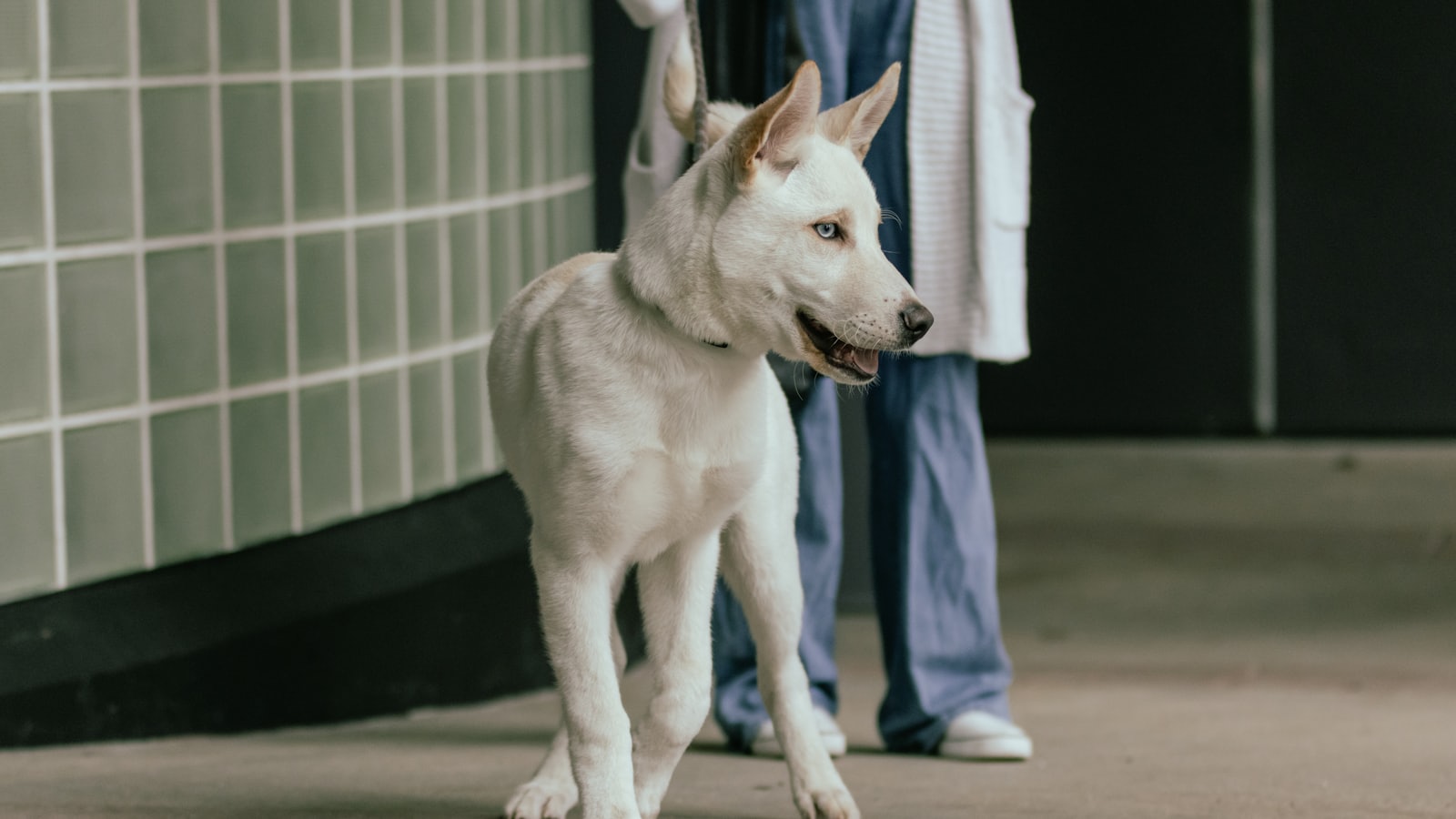
Two days after a boarding stay, your dog lets out a honk so dramatic it sounds like something's stuck in their throat. Then again. And again. Kennel cough is the usual culprit — a highly contagious respiratory infection that spreads wherever dogs gather. The good news is that most cases are mild and clear up like a bad cold. The important part is knowing how to keep your dog comfortable, stop them from spreading it, and spot the handful of signs that mean it's more than a routine cough.
Kennel cough is the common cold of the dog world — usually mild, always worth respecting.
📋 Quick Read
- The classic sign is a dry, honking cough, sometimes with a runny nose or eyes and a little tiredness. Most dogs feel fine otherwise.
- It's not one germ — it's a mix of bacteria (like Bordetella) and viruses, which is why even vaccinated dogs can occasionally catch a milder version.
- Dogs can stay contagious for weeks after the cough stops, so isolation and rest matter even once your dog seems better.
What it looks like — and what it doesn't
The hallmark is a forceful, dry, honking cough, sometimes ending in a gag or a bit of foamy phlegm, often triggered by excitement or a tug on the collar. Some dogs also get a runny nose, watery eyes, sneezing, or mild lethargy. What you shouldn't see in a routine case is a dog who won't eat, is breathing hard, or is truly sick — those point to something beyond ordinary kennel cough and mean a call to the vet.
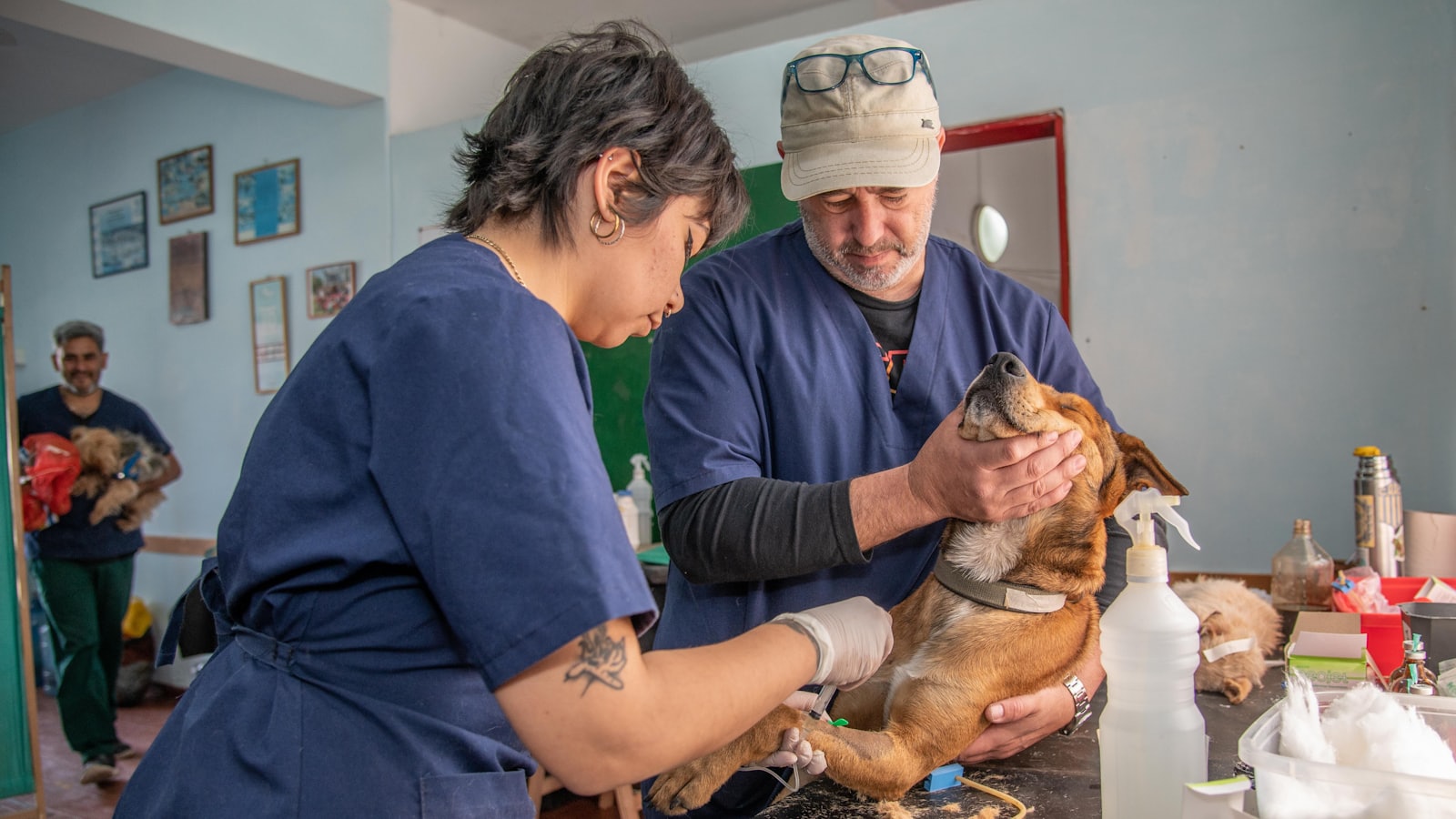
Supportive care that actually helps
For a mild case, you're doing cold-care basics: rest and reduced activity for at least a week, plenty of water, and humidified air (a humidifier, or sitting in a steamy bathroom) to soothe the airway. Switch from a collar to a harness so the leash never presses an already-irritated throat. Don't reach for human cough medicine — many contain ingredients unsafe for dogs; let your vet recommend anything beyond rest.
Stop the spread — even after they seem better
Here's the piece owners miss: a dog can keep shedding the bug and stay contagious for weeks after the cough resolves. Keep your recovering dog away from other dogs during illness and for a stretch afterward per your vet's guidance, and mention any recent boarding or daycare so those facilities can protect other dogs. Going forward, the Bordetella vaccine (often required by boarding and daycare) reduces the risk and severity — a good conversation to have at your next visit.
🚨 Call Your Vet ASAP If…
- Labored, fast, or noisy breathing, or gums that look blue or pale
- Refusing food, notable lethargy, or a high fever
- Thick green or yellow nasal discharge, or a cough that worsens or lasts beyond ~1–2 weeks
- Any cough in a young puppy, a senior, or a dog with a heart or lung condition
This article is for education — it isn't a substitute for veterinary care.
- Keep my dog fully away from other dogs (contagious for weeks, even after the cough stops)
- Rest and reduced activity for at least a week
- Switch from a collar to a harness so the leash doesn't press the throat
- Water always available; humidifier or steamy-bathroom sessions
- Called my vet to confirm the plan (and asked about the Bordetella vaccine)
- Watching for the red flags below; checking back if not improving in 1–2 weeks
🗓 This Week's Plan
- Days 1–2: Start supportive care — rest, water, humidity, harness instead of collar — and call your vet to confirm the plan.
- Days 3–5: Keep your dog isolated from other dogs and log the cough's frequency and triggers each day.
- Days 6–7: Check the trend — improving cases ease over 1–2 weeks. If it's worsening or any vet-box sign appears, call your vet.
Track the recovery in Pak Social
Log the cough each day and note when it started. You'll see whether it's clearing on schedule — and have an exact timeline ready if your vet needs it.
Get Pak Social — Free ➡️ Up nextThe Core Dog Vaccine Schedule, Explained6 min read›