Dog Parks, Daycare, and Boarding: A Complete Safety Guide
Sooner or later you'll hand your dog to a fence, a facility, or a stranger with a van. Here's how to vet all three — and how to know which your dog actually wants.

It arrives for every owner eventually: the work trip, the wedding, the Tuesday your dog stares at the wall with unspent energy — and suddenly you're evaluating a dog park's body-language chaos, a daycare's webcam, or a boarding kennel's "trust us" tour. These three options get lumped together as "dog fun," but they're wildly different environments with different risks, and here's the part the brochures skip: the best facility in town is still wrong if it's wrong for your particular dog.
Group dog care isn't a treat you owe your dog. It's a service you audit — and your dog gets a vote.
📋 Quick Read
- The three options sort by supervision: parks are unmanaged (you're the staff), daycare is managed groups, boarding adds overnight care — each step up demands a harder audit of the humans in charge.
- The good-facility tells are consistent: full transparency on tour, small supervised groups matched by size and style, vaccine requirements enforced, staff who can read dog body language, and a clear injury/vet protocol.
- Not every dog wants this — plenty of great dogs prefer a sniffy walk, a sitter, or one dog friend. Declining group play is a preference, not a failure.
Dog parks: the unmanaged option
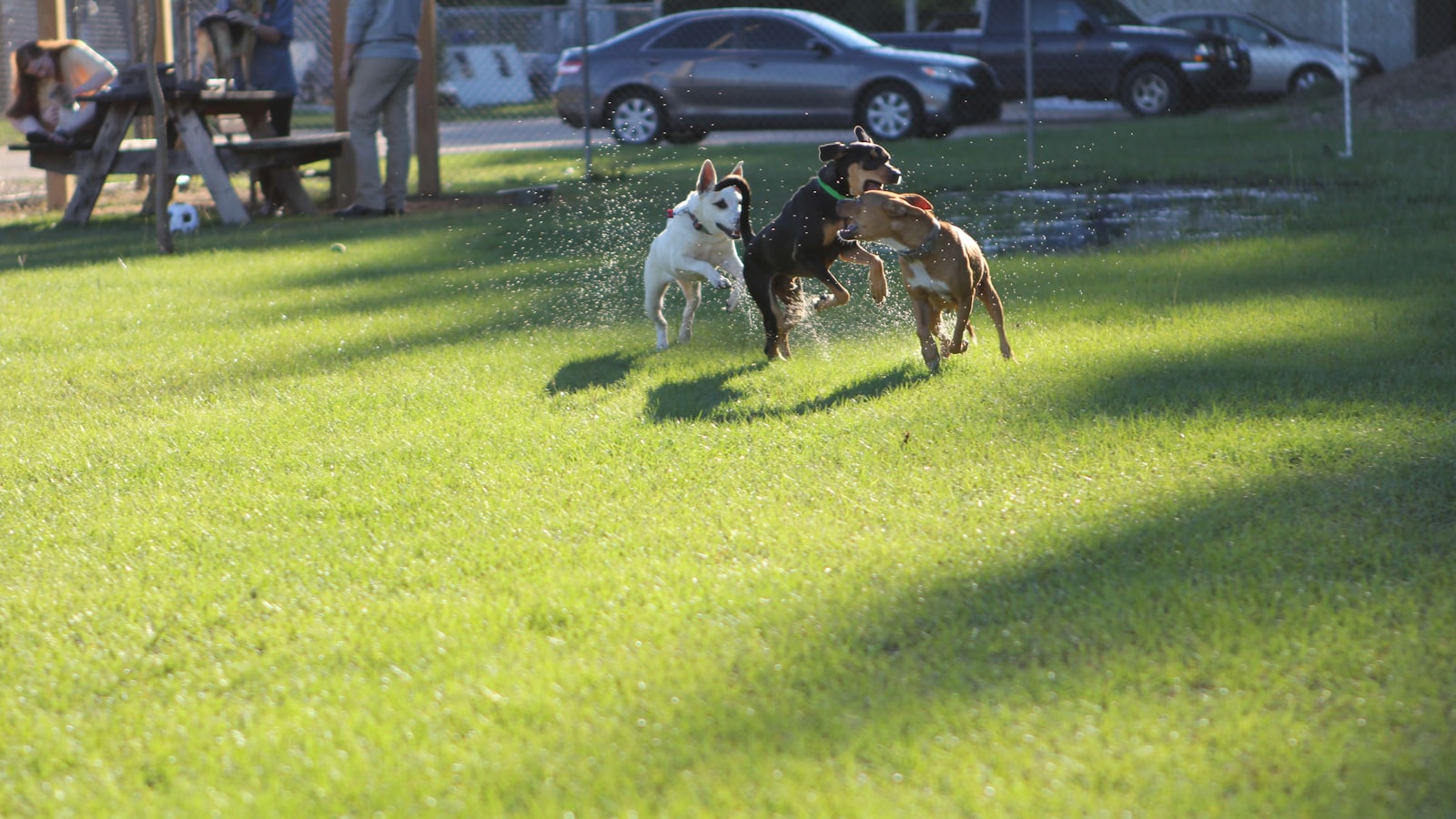
The dog park is the only one of the three with no professional in charge — you're the lifeguard. Stack the odds: go at off-peak hours, walk the fence line first (check the vibe, the play styles, any bully in residence), keep sessions short, and skip the park entirely on days it's packed with unknowns. Inside, stay off your phone and keep moving — milling owners create dog traffic jams; walking owners keep play loose. Know the exits from any pile-up, and leave on a high note rather than after the incident. Prerequisites live in earlier lessons: a reliable recall and the ability to read stress signals aren't optional equipment here.
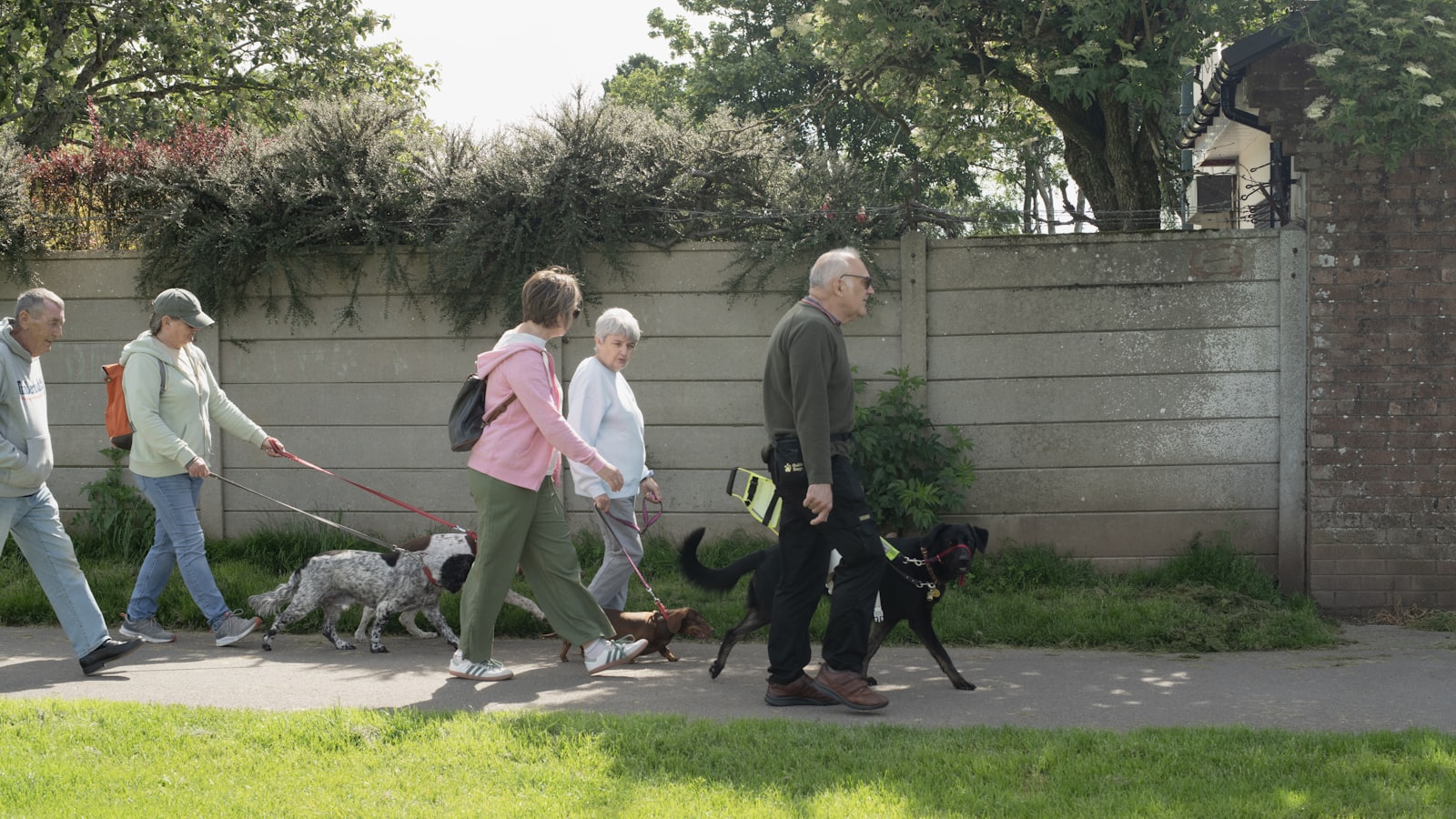
Daycare: audit the humans, not the murals
A good daycare tour shows you everything without flinching — play areas, rest areas, where dogs go when they need a break. Ask the questions that sort pros from paint jobs: What's your dog-to-staff ratio? How are groups formed (size, age, play style — not just "big and small")? What training do staff have in reading dog body language and interrupting escalation? Is there a temperament evaluation before day one? What happens when a dog doesn't enjoy group play? How are rest periods enforced (all-day arousal is not a feature)? And the protocol question: exactly what happens, step by step, if a dog is injured or sick — which vet, whose call, how fast are you notified?
Then run the trial: a half day first, and judge the aftermath. Pleasantly tired and normal by evening is a pass; a dog who comes home frantic, or shut down, or increasingly reluctant at drop-off over the first weeks, is voting. Daycare suits maybe more dogs than the park does — but not every dog, and a facility that says "every dog loves it here" just failed the audit.
Boarding: the overnight audit
Boarding adds the hours nobody's watching, so the audit gets harder. Everything from the daycare list, plus: Where do dogs sleep, and is anyone on site or on call overnight? How are meals, medications, and your dog's own food handled (diet switches at boarding are a classic GI grenade)? What's the exercise-and-attention schedule between kennel time? How do they handle a dog who's anxious or won't eat? Visit unannounced if you can, trust your nose (clean facilities smell like it), and check that they'll follow your vet's contact and your emergency instructions to the letter. For dogs who find kennels overwhelming — seniors, shy dogs, medical-needs dogs — an in-home sitter often beats the best facility; the Dog-Care Village lesson covers building that bench.
The option nobody sells: opting out
Some dogs — through age, temperament, or plain preference — would rather skip all three. That dog isn't broken. A midday walker, a trusted sitter, one compatible dog friend on a rotation (Pak Social's Playdate Matching exists for exactly this), and good enrichment at home can cover every need group care covers, minus the overstimulation. Sociability also changes over a dog's life; the daycare superstar at two may be the selective gentleman at six, and honoring that shift is good ownership, not giving up. The goal was never group play — it was a dog whose needs are met.
- Full-transparency tour — every area shown
- Staff trained to read dog body language
- Groups matched by size AND play style
- Sane dog-to-staff ratio, stated plainly
- Vaccines required and actually checked
- Enforced rest periods, not all-day arousal
- Written injury/illness protocol with your vet's info
- Honest answer to 'what if my dog hates it?'
🗓 This Week's Plan
- Days 1–2: Decide what your dog actually needs (energy outlet, midday break, trip coverage) — the need picks the option.
- Days 3–4: Update vaccine records in the app; shortlist two facilities or sitters and book tours.
- Days 5–7: Run the Audit Sheet on both, and if daycare's the pick, book the half-day trial and judge the aftermath honestly.
Build your dog's care plan in Pak Social
Records current, two audits booked, one honest read of your dog's vote. Whichever door you pick — park, daycare, boarding, or none of the above — you'll pick it with open eyes.
Get Pak Social — Free ➡️ Up nextSocializing an Only Dog4 min read›