Is Your Dog Ready for Daycare?
Daycare can be the best part of a dog's week — or a stressful mismatch. Here's how to tell which one it'll be for your dog.
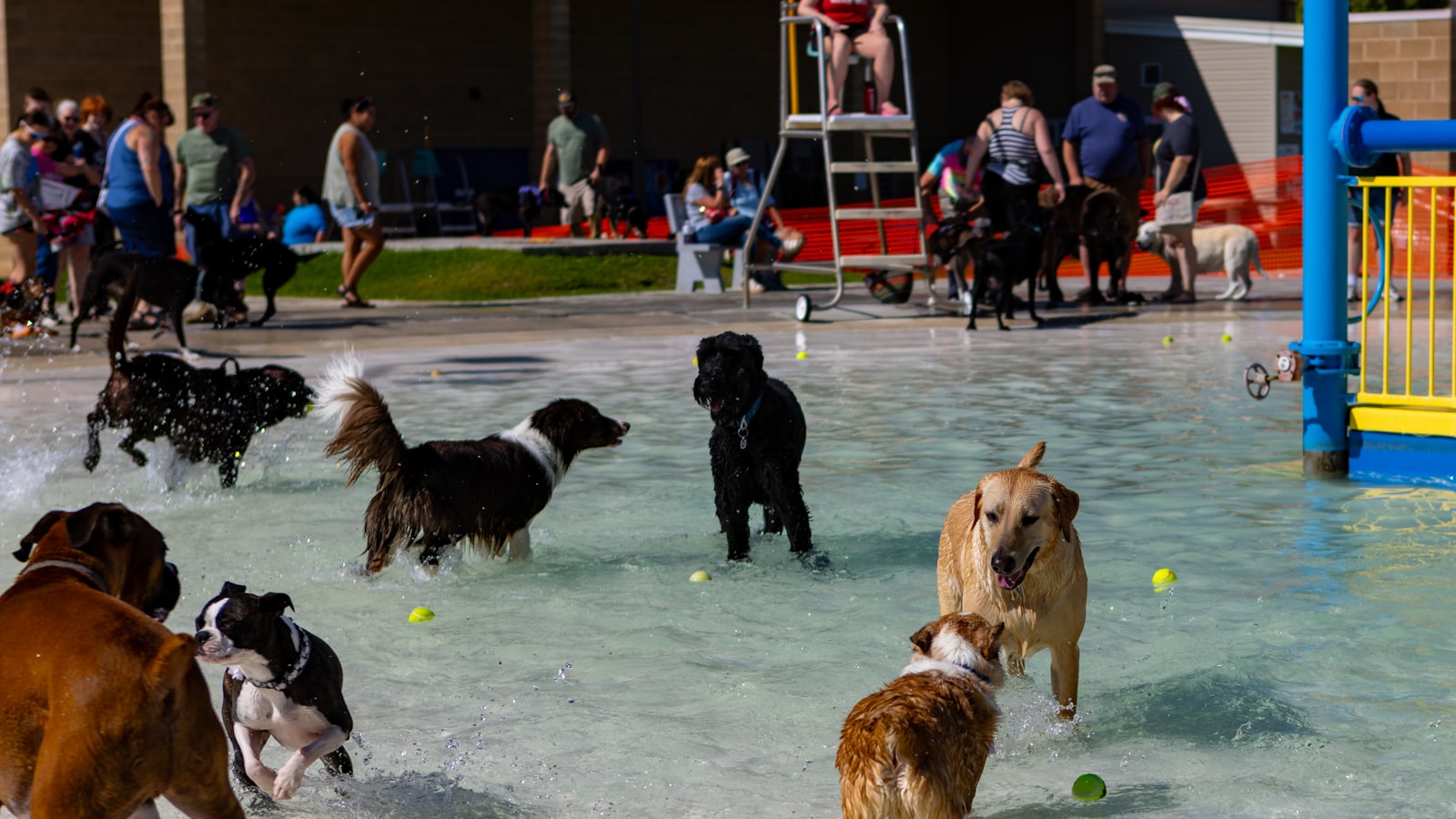
The idea is a dream: drop your dog off, they play all day with a pack of new friends, and come home happily exhausted while you get things done. For a lot of dogs, that's exactly how it goes. For others, a full day in a loud, high-energy group is overwhelming — and a bad early experience can make a dog more reactive, not less. Daycare isn't a fix you send an unready dog to; it's a privilege you prepare a dog for. Let's figure out where yours stands.
Daycare is something you prepare a dog for — not something you send an unready dog to fix.
📋 Quick Read
- Great daycare dogs genuinely enjoy unfamiliar dogs and bounce back fast when play gets intense — tolerating other dogs isn't the same as enjoying them.
- Readiness is about temperament and health, not age alone: solid dog-dog social skills, comfort being handled, and up-to-date vaccines (including Bordetella) are the baseline.
- A shy, fearful, or intensely play-driven dog isn't a “bad” dog — they may just need smaller playdates and more skills first before a big group is a good idea.
What a good daycare day actually asks of your dog
Behind the fun, daycare is a social marathon. Your dog needs to greet politely, take a hint when another dog says "enough," come down from excitement without a human managing every second, and handle being leashed, lifted, and moved by people they just met. Those are advanced skills — closer to a black belt than a first lesson. It's completely normal for a young or newly adopted dog not to have them yet.
The non-negotiable health baseline
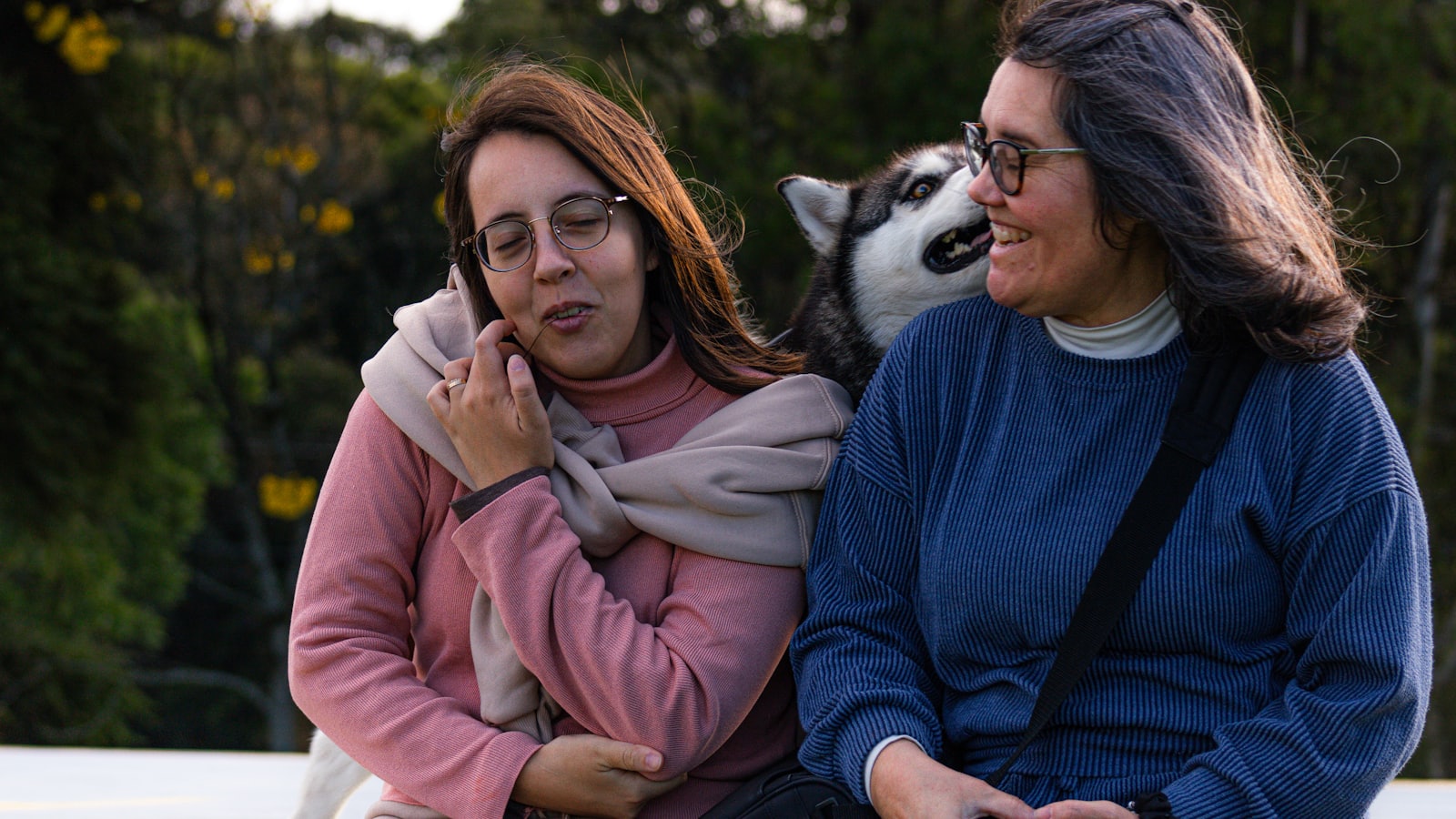
Reputable facilities require core vaccines plus Bordetella (kennel cough), and often canine influenza, because respiratory bugs spread fast in group settings — that requirement protects your dog. Dogs should also be spayed/neutered per the facility's age policy and on parasite prevention. If a daycare doesn't ask for proof of vaccines, treat that as a red flag about the whole operation, not a convenience.
If your dog isn't ready yet, build toward it
Not ready is a starting point, not a verdict. Grow the skills with structured one-on-one playdates with a calm, well-matched dog; keep sessions short and end them while they're still going well. Practice handling so a stranger's touch is no big deal, and reward your dog for taking their own breaks. Many dogs graduate to a half-day at a small, well-run daycare once those pieces are in place.
- Genuinely enjoys (not just tolerates) unfamiliar dogs
- Takes their own breaks and self-interrupts play
- Recovers quickly after getting overexcited
- Comfortable being handled and moved by strangers
- Up to date on vaccines, including Bordetella
- Past the fearful puppy stage and generally confident
🗓 This Week's Plan
- Days 1–2: Run the readiness self-check honestly, and confirm your dog's vaccines (including Bordetella) are current.
- Days 3–4: Set up one short, well-matched playdate and note whether your dog self-interrupts and recovers after excitement.
- Days 5–7: If most boxes are green, tour a facility at a busy hour and ask about group sizes and enforced rest; if not, keep building skills with small playdates.
Start the Social-Confidence Challenge in Pak Social
Log your playdates and rate each one. Over a couple of weeks you'll see which dogs, sizes, and settings your dog does best with — and whether they're ready to graduate to daycare.
Get Pak Social — Free