On-Leash Greetings Done Right
That head-on, leashed “say hi” is where a lot of walks go sideways. Here's a calmer way to handle dog-to-dog meetings.
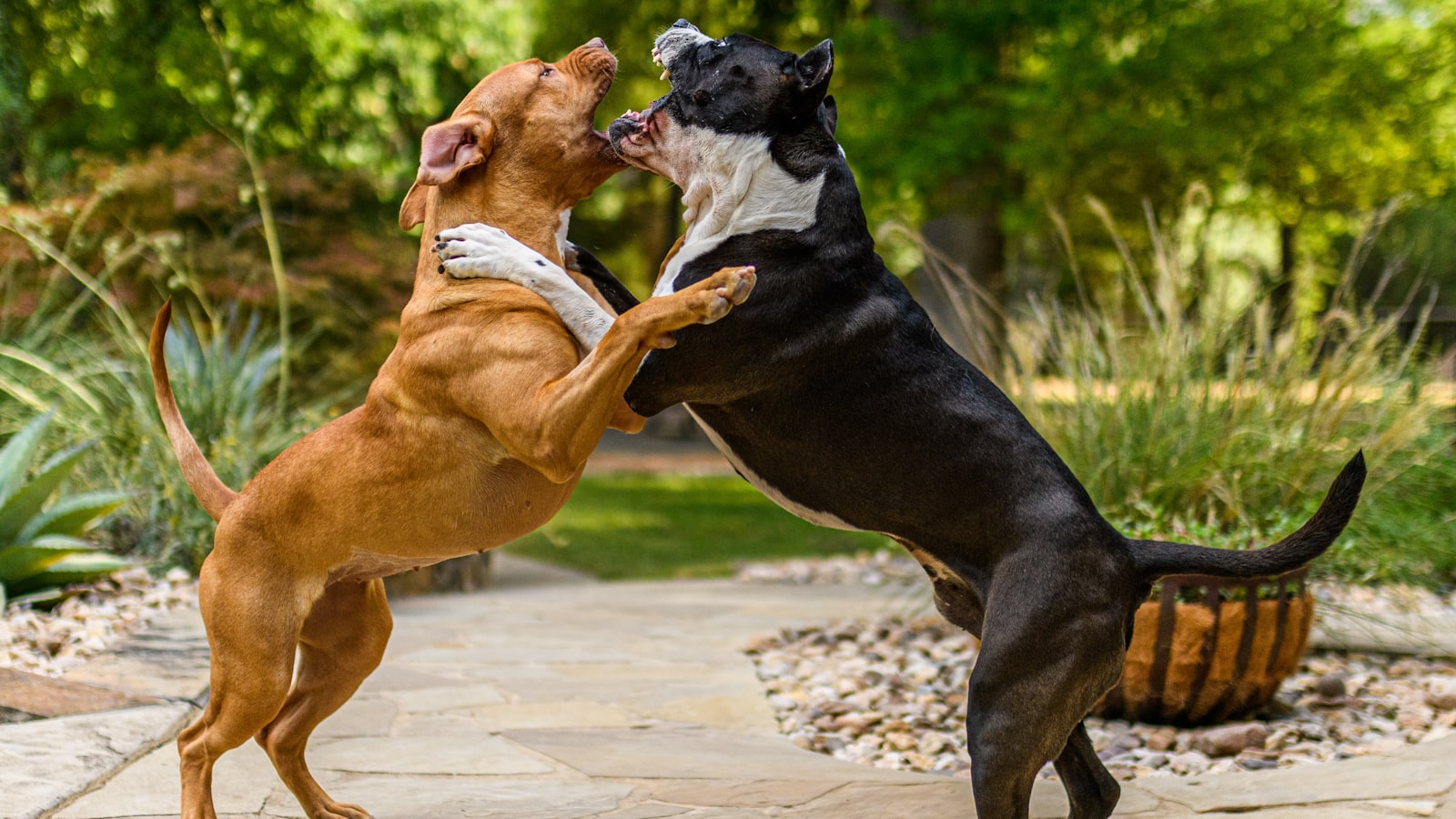
Two dogs spot each other on the sidewalk, both owners smile and let them close the gap, leashes go tight — and what was supposed to be a friendly hello turns into stiff bodies, a snap, or a tangled mess. On-leash greetings are one of the most misunderstood parts of walking a dog. The leash itself changes everything, and the polite, casual meeting we imagine is often the opposite of what our dogs actually need. Done right, though, greetings can be calm and even skipped without any harm at all.
The leash turns a casual hello into a trap — take away the option to move away, and dogs get tense.
📋 Quick Read
- A tight leash forces a head-on, face-to-face posture dogs read as confrontational — and removes their ability to move away politely.
- Not every dog needs or wants to greet. “We just keep walking” is a perfectly good — often better — outcome.
- When you do allow it, keep it short (about three seconds), leashes loose, and move on before tension can build.
The leash changes the whole conversation
Understand what the leash does and everything else makes sense. It tends to drag dogs into a nose-to-nose, head-on approach — which dogs read as pushy or confrontational — and it strips away their most important social tool: the ability to move away when they're uncomfortable. Add a tight line, and the tension travels straight down the leash into a dog who's now stuck. That combination, not bad temperament, is what turns so many sidewalk hellos tense.
Greeting is optional — and short
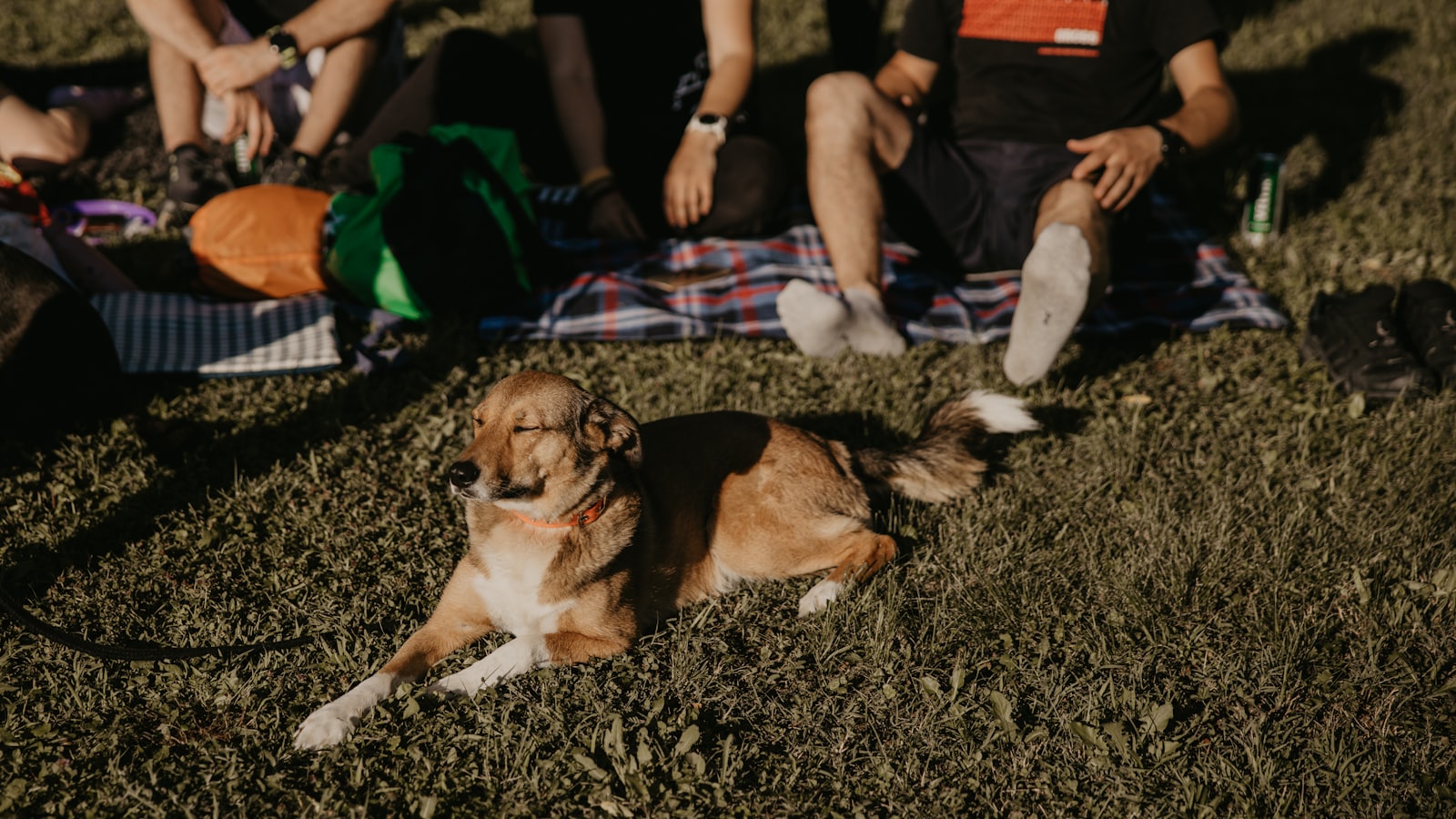
Free yourself from the idea that dogs must say hi. Plenty of confident, well-adjusted dogs walk right past each other, and “we just keep moving” avoids all the leashed-greeting pitfalls. When you do choose to allow a greeting — both dogs relaxed, both owners willing — keep it to about three seconds, leashes loose, then cheerfully call your dog away and move on. Short hellos stay friendly; long, tense standoffs are where trouble brews.
Make the calm pass-by your default
The most useful skill isn't greeting — it's passing another dog calmly. Teach your dog that spotting another dog means “check in with me and get a treat,” and reward them for walking by without a meltdown. This keeps you in control on busy sidewalks, protects nervous or reactive dogs, and means greetings become an occasional, well-chosen bonus rather than a stressful default. If your dog struggles to pass other dogs without reacting, that's a cue to work on leash reactivity specifically.
🗓 This Week's Plan
- Days 1–2: Practice the calm pass-by — mark and feed when your dog notices another dog, then keep walking, no greeting.
- Days 3–4: Only allow a greeting when both dogs are loose and relaxed; keep it to ~3 seconds on a loose leash, then move on.
- Days 5–7: Rate each greeting or pass-by with a Greeting Calm Score and note which dogs and distances go best.
Start the Calm Greetings Challenge in Pak Social
Log your greetings and pass-bys and rate each Greeting Calm Score. In a week you'll know exactly which meetings your dog can handle — and which to skip with an easy pass-by.
Get Pak Social — Free ➡️ Up nextLeash Reactivity: A Practical Plan6 min read›