Dog Personality Types and What They Need
The social butterfly, the thinker, the velcro dog, the independent contractor — reading which dog you actually have changes everything about how you train, exercise, and love them.

Two dogs meet the same jogger. One throws a full-body wiggle and demands a greeting; the other steps behind their human and files a formal complaint. Same street, same jogger, opposite dogs — and if you raise them identically, one of them loses. Dog personality is real (researchers measure stable traits like sociability, boldness, and energy), it's shaped by genes and history, and it changes slowly with age. The skill isn't diagnosing a "type" like a horoscope. It's reading which levers move YOUR dog — and adjusting the plan to the animal in front of you.
Train the dog in front of you — not the breed description, not the last dog, not the dog you expected.
📋 Quick Read
- Personality shows up on a handful of dials — sociability, confidence, energy, independence — and every dog sits somewhere different on each. Types are shorthand, not sorting-hat truth.
- Mismatched care creates 'problem dogs': the social dog left alone, the sensitive dog flooded, the working brain unemployed — most behavior complaints are needs misread, not dogs misbehaving.
- Breed sets tendencies, not verdicts: it tells you what's likely, while your actual dog tells you what's true — and the individual always outranks the label.
The four dials worth reading
Skip the quiz-show types for a second and watch four dials. Sociability: does your dog seek out new people and dogs, tolerate them, or prefer their inner circle? Confidence: do novelties (noises, objects, places) trigger investigation or retreat? Energy: is the tank empty after a walk, or does the evening zoomie schedule say otherwise? Independence: does your dog work problems alone, or check in with you constantly? An honest week of observation places your dog on each dial — and that profile predicts what they need far better than breed alone, because within every breed the individuals scatter.
The common profiles — and what each one needs
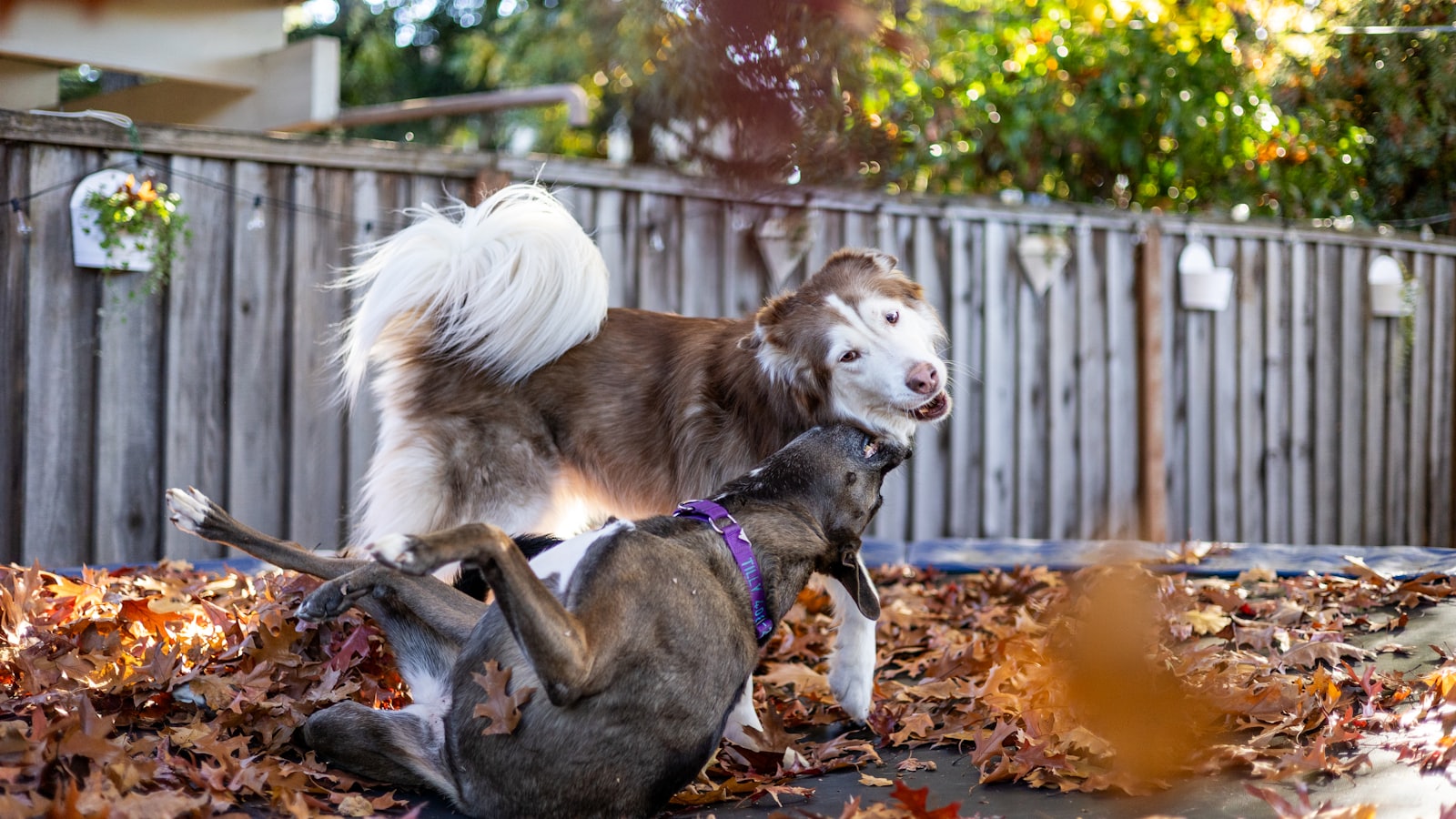
The social butterfly (high sociability, high energy) needs outlets, not restraint: playdates, group adventures, and impulse-control training so the enthusiasm has brakes — their failure mode is frustration when under-socialized. The thinker (high independence, moderate energy) needs jobs: scent work, puzzles, training that respects their pace — their failure mode is self-employment, and you won't like the business they start. The velcro dog (high sociability toward you, lower confidence) needs gradual independence-building and predictable routines — their risk is separation distress, and the alone-time lessons matter most for exactly them. The sensitive soul (lower confidence) needs distance, choice, and a bouncer — flooding them 'to get them used to it' writes fear deeper. And the steady classic in the middle of every dial mostly needs you not to invent problems they don't have.
Fit the plan, not the fantasy
Once you've read the profile, audit the mismatches — they're where your friction lives. Exercise type: cardio dogs need running; thinking dogs tire faster from twenty minutes of nose-work than an hour of trotting. Social calendar: book the butterfly's playdates and cancel the introvert's; both moves are wins. Training style: soft dogs need softer criteria and more pay; independent dogs need shorter, punchier sessions with better wages. Household rhythm: sensitive dogs thrive on predictability, so anchor their days. None of this is settling — matching the plan to the dog is the highest-skill move in ownership, and it's also where Playdate Matching earns its name: compatible personalities, not just compatible sizes.
- I know how my dog greets strange dogs vs. strange people
- I know what my dog does with a truly novel object
- I know my dog's real daily energy pattern, not the ideal one
- I know whether my dog checks in or works alone
- I know what my dog does when overwhelmed
- My exercise and social plans match those answers
🗓 This Week's Plan
- Days 1–4: The observation week — log greetings, novel-object reactions, energy peaks, and check-in habits.
- Day 5: Place your dog on the four dials; write the one-paragraph profile.
- Days 6–7: Run the Mismatch Audit and change ONE thing — the walk type, the social calendar, the training style — to fit the profile.
Build your dog's profile in Pak Social
One week of honest observation, four dials, one adjusted plan. The dog in front of you has been telling you what they need all along — this is how you write it down.
Get Pak Social — Free ➡️ Up nextMatching Energy Level to Lifestyle4 min read›