Firework and Thunderstorm Fear: A Calm-Down Plan
A prepare-ahead plan for the loud nights — manage the sound, change the association, and know when to bring in your vet.
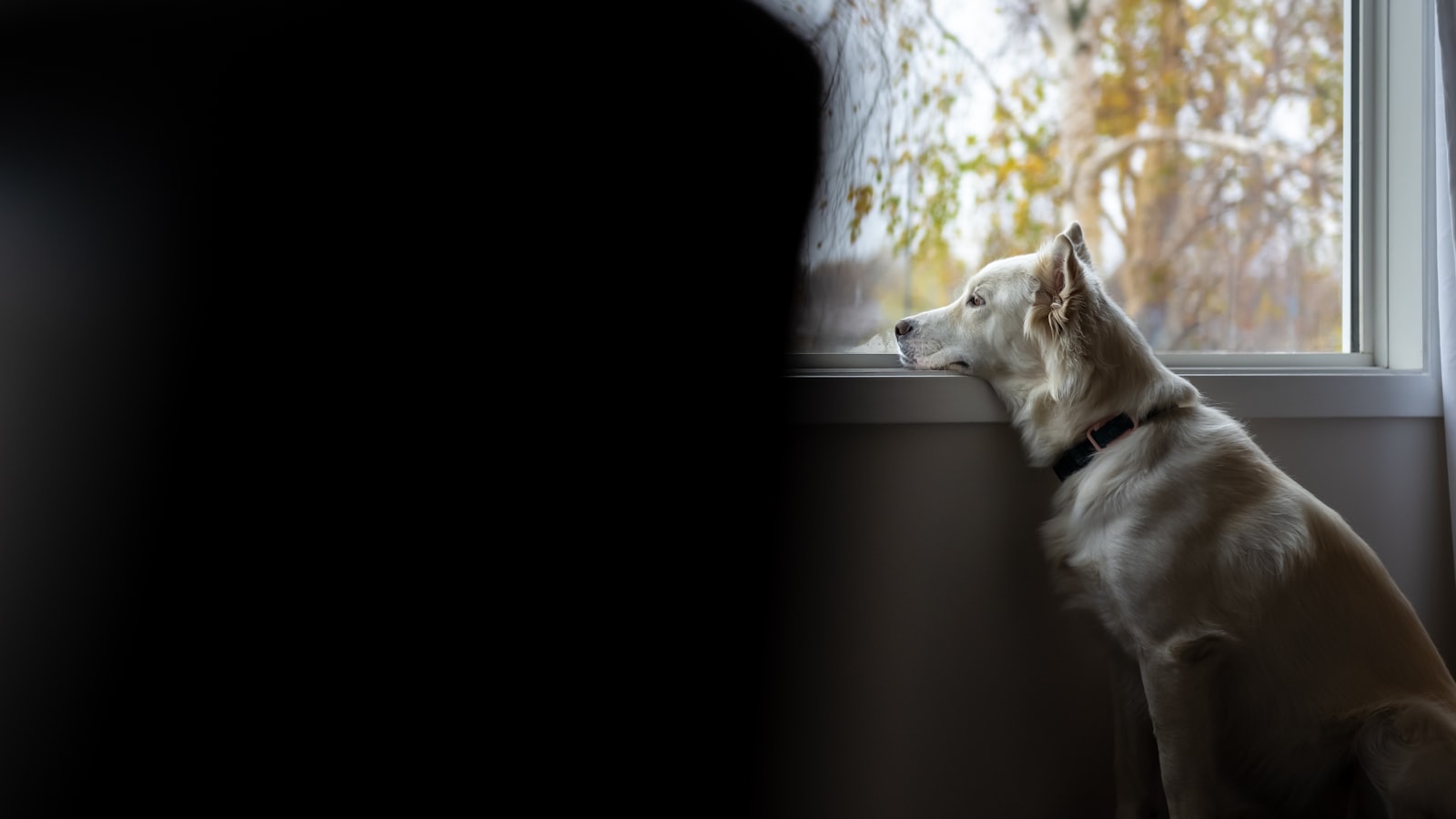
In Dog Anxiety: A Complete Owner's Playbook, we learned the golden rule — under threshold, dogs learn; over threshold, they just rehearse panic. Nothing tests that rule like a July night. The first boom hits and your dog is suddenly a different animal: pacing, panting, wedged behind the toilet. Noise fear is one of the most common behavior problems in dogs — surveys suggest a large share of U.S. dogs show at least one sign of it — and it rarely fades on its own. But it responds beautifully to a plan made before the sky gets loud.
You can't train a dog during the storm. You train for the storm — and manage during it.
📋 Quick Read
- Noise fear tends to worsen with each unprotected exposure, not fade — 'he'll get used to it' is the one strategy that reliably fails. ([VCA](https://vcahospitals.com/know-your-pet/treating-fear-of-storms-and-fireworks-in-dogs))
- On the loud night itself, your only job is management: distance, sound masking, and a safe room. Teaching happens on quiet days, with recordings at whisper volume.
- Comforting a scared dog does not 'reward fear' — calm, low-key support is fine. Fear is an emotion, not a behavior you reinforce.
Build the safe room before you need it
Pick the most sound-buffered spot in your home — an interior room, a closet, a crate with the door open under the stairs — and make it wonderful on ordinary days: soft bed, a chew, meals in there sometimes. It only works as a refuge if it's familiar before the scary night ([ASPCA](https://www.aspca.org/pet-care/general-pet-care/fourth-july-safety-tips)).
On loud nights, close the curtains, turn on a fan or white noise, and add steady music. You're shrinking the sensory event: quieter booms, no flashes, a den that already smells like safety.
The night-of routine: manage, don't train
Exercise and potty your dog early, before dusk. Double-check ID tags and microchip registration — more dogs bolt on fireworks nights than almost any other time ([AKC](https://www.akc.org/expert-advice/training/how-to-keep-your-dog-calm-during-fireworks/)). Then run the routine: safe room, sound masking, a long-lasting chew or stuffed food toy, and you nearby acting boringly normal.
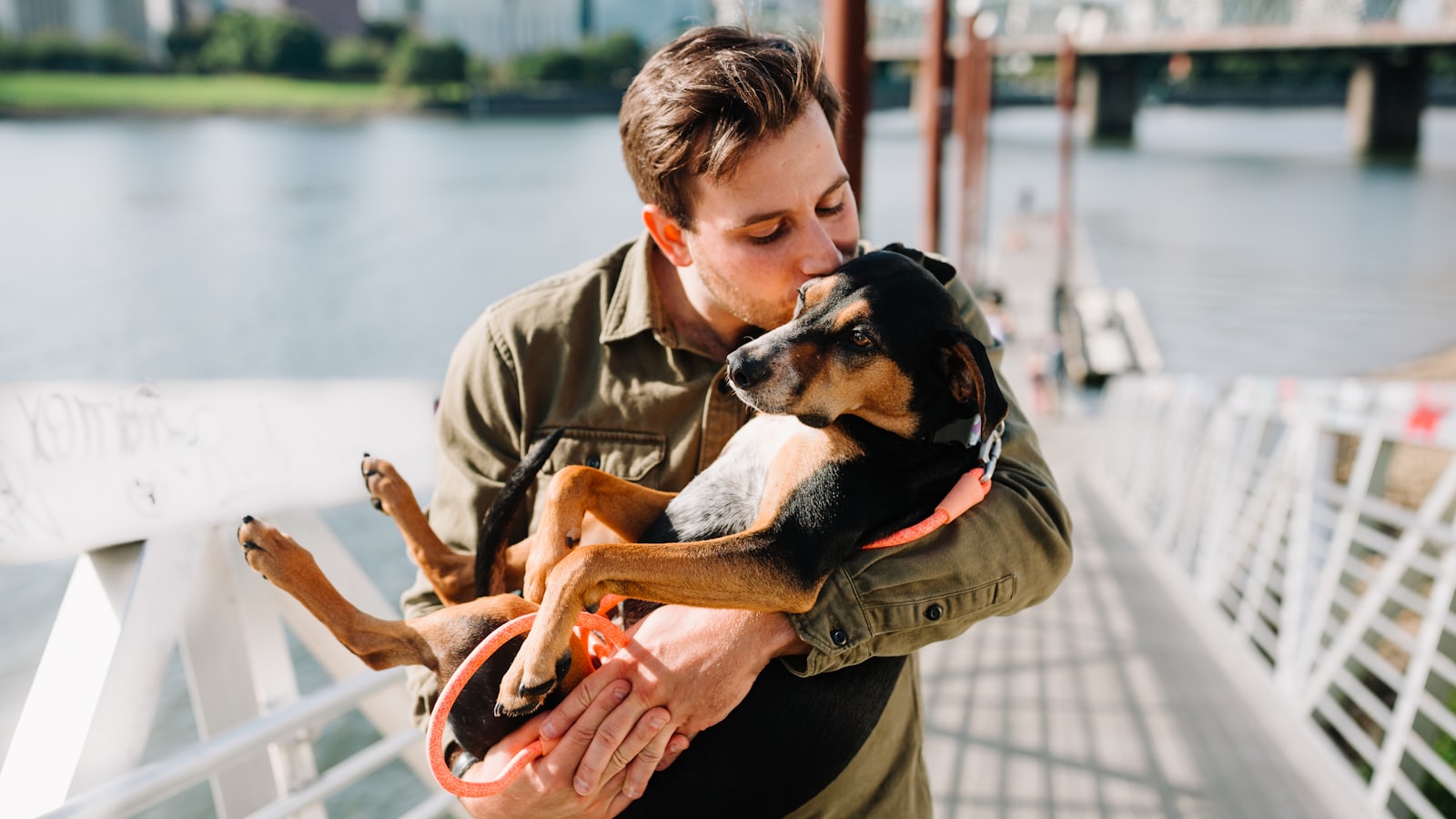
If your dog seeks you out, comfort them — calm petting and a steady voice. You cannot reinforce fear by being kind; you can only teach your dog that you're a safe harbor. What you shouldn't do is hover anxiously — dogs read our tension fluently.
Quiet-day retraining: the volume-knob method
Real change happens on calm days. Play a firework or thunder recording at a volume so low your dog merely flicks an ear — then feed something spectacular. A few one-minute reps, then stop. Over days and weeks, nudge the volume up only while your dog stays loose and eating ([VCA](https://vcahospitals.com/know-your-pet/treating-fear-of-storms-and-fireworks-in-dogs)). If they stop taking food, you've gone too loud — drop back two steps.
Recordings can't fully recreate a storm (pressure drops, rumbling floors, flashes), so consider this progress insurance, not a cure-all — storm-phobic dogs usually need the management plan too, every time.
When to bring in your vet
If your dog injures themselves, destroys doors or crates, trembles for hours, or panics despite a good management plan, that's a medical-grade fear — and it's exactly what your veterinarian is for. There are FDA-approved medications for noise aversion, and short-term event medication can lower panic enough that the training above finally sticks. Asking about it isn't failure; it's the same logic as numbing before a root canal. Your vet or a veterinary behaviorist can tailor the plan to your dog.
- Safe room chosen and made great on quiet days (bed, chews, meals)
- Sound masking ready: fan, white noise, or steady music
- ID tag current + microchip registration verified
- Early-evening exercise and potty plan for loud nights
- High-value chew or stuffed food toy stocked in the freezer
- Talked to the vet about options if past episodes were severe
🗓 This Week's Plan
- Days 1–2: Build the safe room and feed two meals in it. Verify ID tag and microchip details tonight.
- Days 3–5: Start volume-knob sessions — 1 minute of barely-audible storm sounds paired with amazing treats, once or twice a day.
- Days 6–7: Run the readiness checklist above to 100%, and after any real storm or fireworks, log your dog's Calm Recovery Score.
Start the Storm-Ready Challenge in Pak Social
Complete the readiness checklist and log your dog's Calm Recovery Score after each loud night. By the end of the season you'll see recovery time dropping — and know exactly which parts of the plan your dog needs most.
Get Pak Social — Free ➡️ Up nextFear of Strangers: Building Positive Associations4 min read›