Fear of Strangers: Building Positive Associations
For the dog who barks, backs away, or hides from new people — a calm, gradual plan to change how they feel.
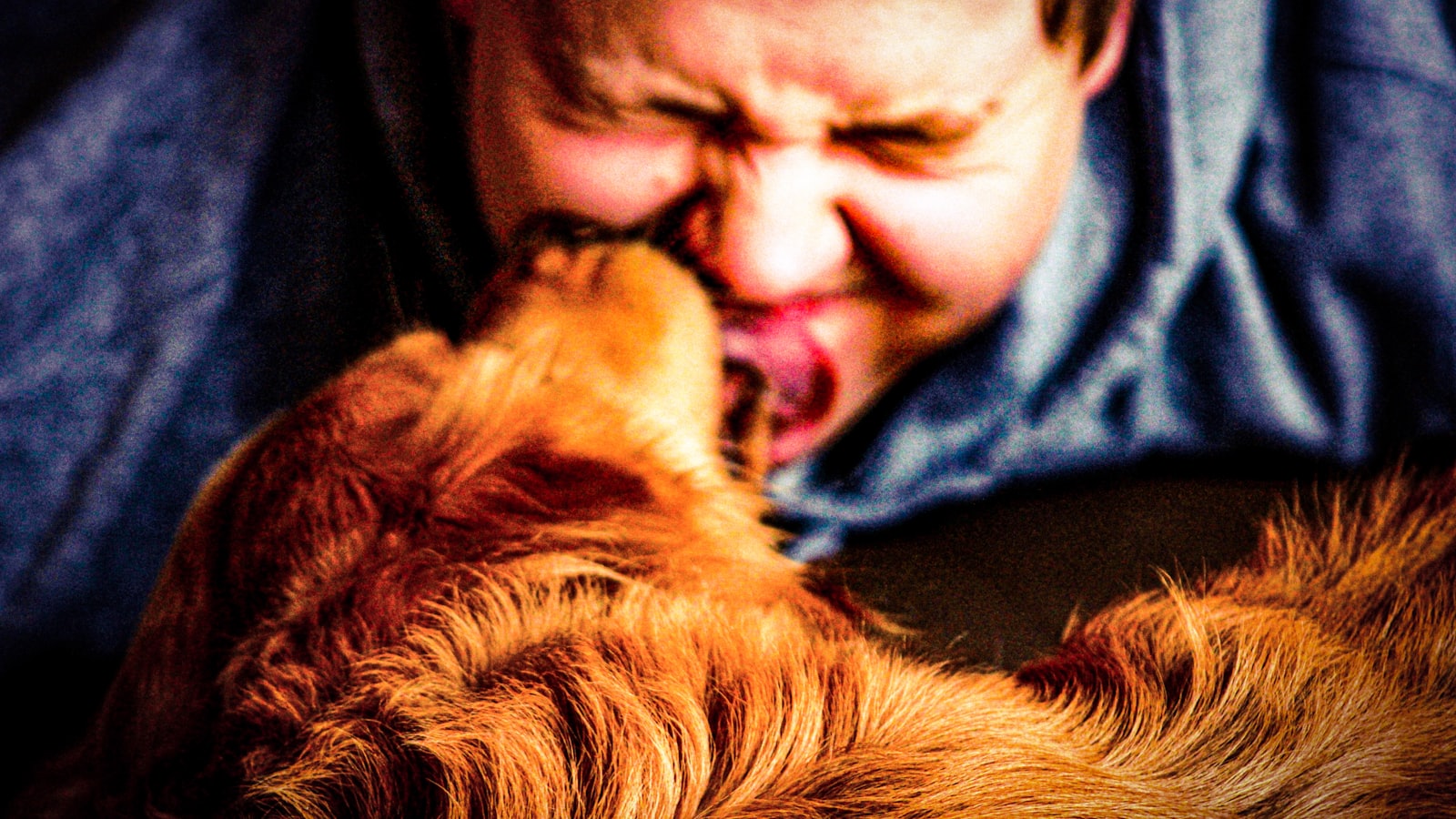
A visitor reaches out to say hello and your dog shrinks behind your legs — or worse, barks and lunges to make the scary thing go away. It's stressful and a little embarrassing, and the instinct is to apologize and push your dog to "just say hi." But you can't force a dog to feel safe. What you can do is change the underlying emotion, one good experience at a time, until strangers predict good things instead of pressure.
You can't train away fear by force. You change what the scary thing predicts.
📋 Quick Read
- Fear of strangers is an emotion, not disobedience — so the fix is changing how your dog feels, not correcting what they do.
- The core move is counter-conditioning: strangers appear at a safe distance and great things (chicken!) happen, until your dog's brain rewrites “stranger = good.”
- Never force greetings. Flooding a fearful dog with the thing they fear usually makes it worse; distance and choice make it better.
Start where your dog can still think
Every dog has a distance at which a stranger is noticeable but not alarming — where they can still take a treat and glance back at you. That's your starting line. Work there, not at the doorway. As a stranger comes into view, calmly feed a stream of high-value treats; when the person leaves or you add distance, the treats stop. You're teaching a clean rule: strangers make the good stuff appear.

Give your dog a way out
Fearful dogs feel safest when they have choice. Let your dog approach a new person on their own timeline, never the other way around, and ask visitors to ignore your dog — no reaching, no staring, no cornering. A stranger who tosses a treat and looks away is far less threatening than one who leans in for a pat. The freedom to retreat is often what gives a nervous dog the confidence to come closer.
Widen the circle slowly
As your dog relaxes at a given distance, shrink it a little; as they handle one calm friend, add gentle variety — different people, places, hats, ages. Keep sessions short and end on a win. If your dog's fear is severe, generalized, or getting worse despite careful work — or ever tips into biting — loop in your vet or a certified behaviorist. Sometimes fear has a medical or deeper emotional component, and support isn't failure; it's the fastest path to a calmer dog.
🗓 This Week's Plan
- Days 1–2: Find your dog's threshold distance — the closest a stranger can be while your dog still takes treats — and work there.
- Days 3–4: Run “stranger appears → chicken; stranger leaves → chicken stops” reps, always ending before your dog worries.
- Days 5–7: Set up one calm encounter with a friend who ignores your dog and drops treats; rate the Calm Recovery Score each time.
Start the Confidence-With-Strangers Challenge in Pak Social
Log each encounter and rate your dog's Calm Recovery Score. In a couple of weeks you'll see the fear easing — and know exactly which distances your dog is ready to close.
Get Pak Social — Free ➡️ Up nextLeash Reactivity: A Practical Plan6 min read›