Enrichment for High-Energy Dogs
You can't out-cardio a working brain. Why your athlete dog needs a job more than a longer run — and the enrichment menu that finally tires them.
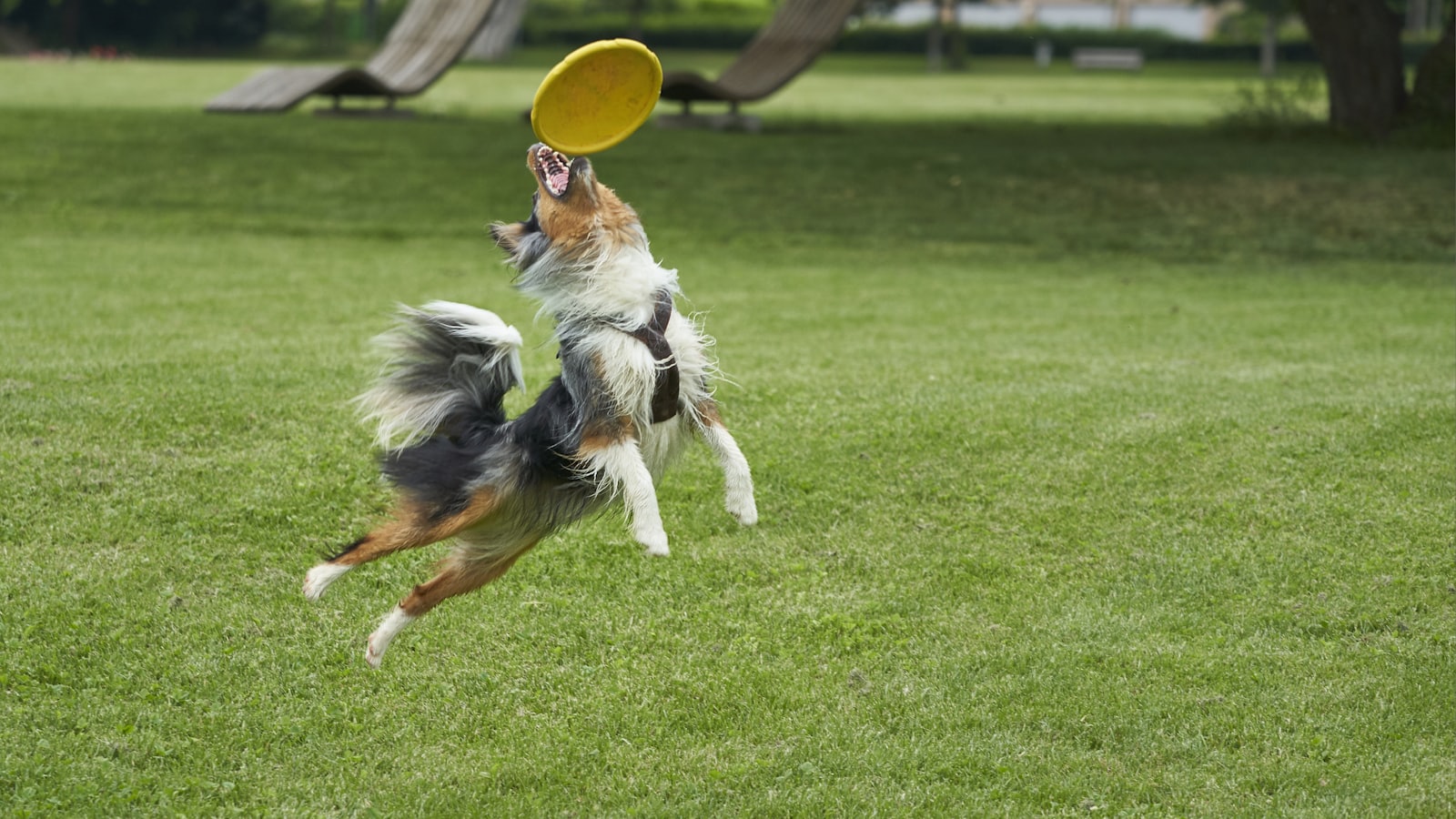
You've tried running them longer. The five-mile morning became seven, the fetch sessions became marathons, and your border-mix athlete finishes it all with a stretch and a look that says what's next? Here's the trap: exercise alone builds a fitter dog with the same restlessness — you're training an athlete, not tiring one. High-energy dogs were bred to work, and what exhausts a worker isn't more miles. It's a job with a brain in it.
You can't out-run a working dog. But you can out-think one — and thinking is what actually empties the tank.
📋 Quick Read
- The cardio treadmill is real: pure exercise raises fitness, so the same run tires them less each month — while fifteen minutes of hard nose-work or problem-solving produces the flop an hour of fetch can't.
- The winning formula is mixed: structured exercise (yes, still) + daily brain work (scent games, training challenges, puzzle circuits) + a calm-down skill, because high-energy dogs must also learn to idle.
- Match the job to the breeding: herders want control games and direction changes, retrievers want carry-and-deliver chains, terriers want dig-and-shred outlets, scent hounds want their nose employed.
Build the workday
Structure the day like employment: a morning shift of genuine exercise (the run, the fetch, the swim — cardio still matters, just not alone), a midday or evening brain shift (fifteen to thirty minutes: scent games, new-trick training, the puzzle circuit from the DIY lesson at its hardest settings), and enforced off-hours where calm is the job. The brain shift is the piece most athletic dogs are missing — and it's the piece that changes evenings. Rotate the roster weekly: novelty is itself enrichment, and a working brain habituates to any single game faster than you'd think.
Match the job to the wiring
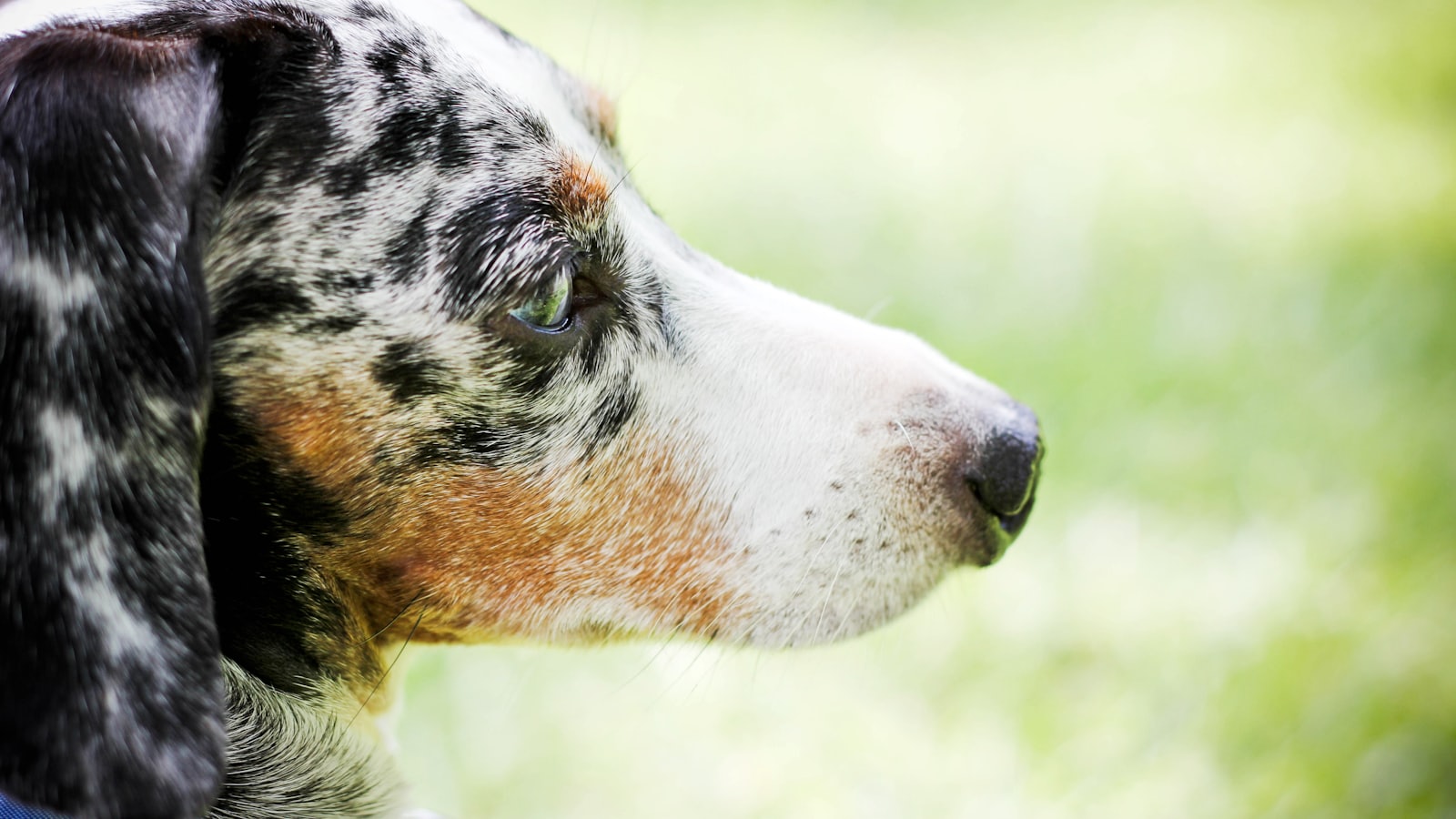
Herding types (collies, shepherds, cattle dogs): control and precision games — direction-change fetch, 'go around' sends, treibball, anything where they steer something. Retrievers: carry chains and deliveries — the bring-it lesson's full economy, plus water work. Terriers and dachshunds: legal destruction — dig boxes (a sandbox with buried toys), shredding stations (cardboard with kibble inside; supervised), flirt-pole hunts with a catch at the end. Scent hounds and mixed noses: the sniffing economy — scatter circuits, hide-and-seek with family members, backyard 'find it' trails, or the full scent-work hobby. Every breed group's list is really one instruction: find the work their ancestors were hired for, and give it back in domestic form.
Teach the idle (the missing gear)
High-drive dogs don't downshift by default — idling is a gear you install. The settle-on-a-mat protocol is the core build; the play-settle-play interrupt game is the advanced course (thirty seconds of tug, then calm on the mat, then the game resumes — arousal down-regulation, rehearsed on purpose). Cap the day with a decompression closer: the scatter dinner, a long-lasting chew, a lick mat — consummatory activities that walk the nervous system down the stairs. And audit the schedule for accidental arousal farming: the window seat overlooking the busy sidewalk, the fence line with the taunting squirrel — management (film, access control) is enrichment's quiet partner.
🗓 This Week's Plan
- Days 1–2: Audit the current program — exercise minutes vs. brain minutes per day. Most athlete dogs are running 10:1.
- Days 3–5: Add the daily brain shift, breed-matched; start the two-log tracking.
- Days 6–7: Run the Job Swap Week's first comparisons and install the decompression closer at night.
Open the job ledger in Pak Social
One brain shift tomorrow, breed-matched, fifteen minutes. If the evening flop shows up, you've found the missing gear — and the seven-mile mornings can relax.
Get Pak Social — Free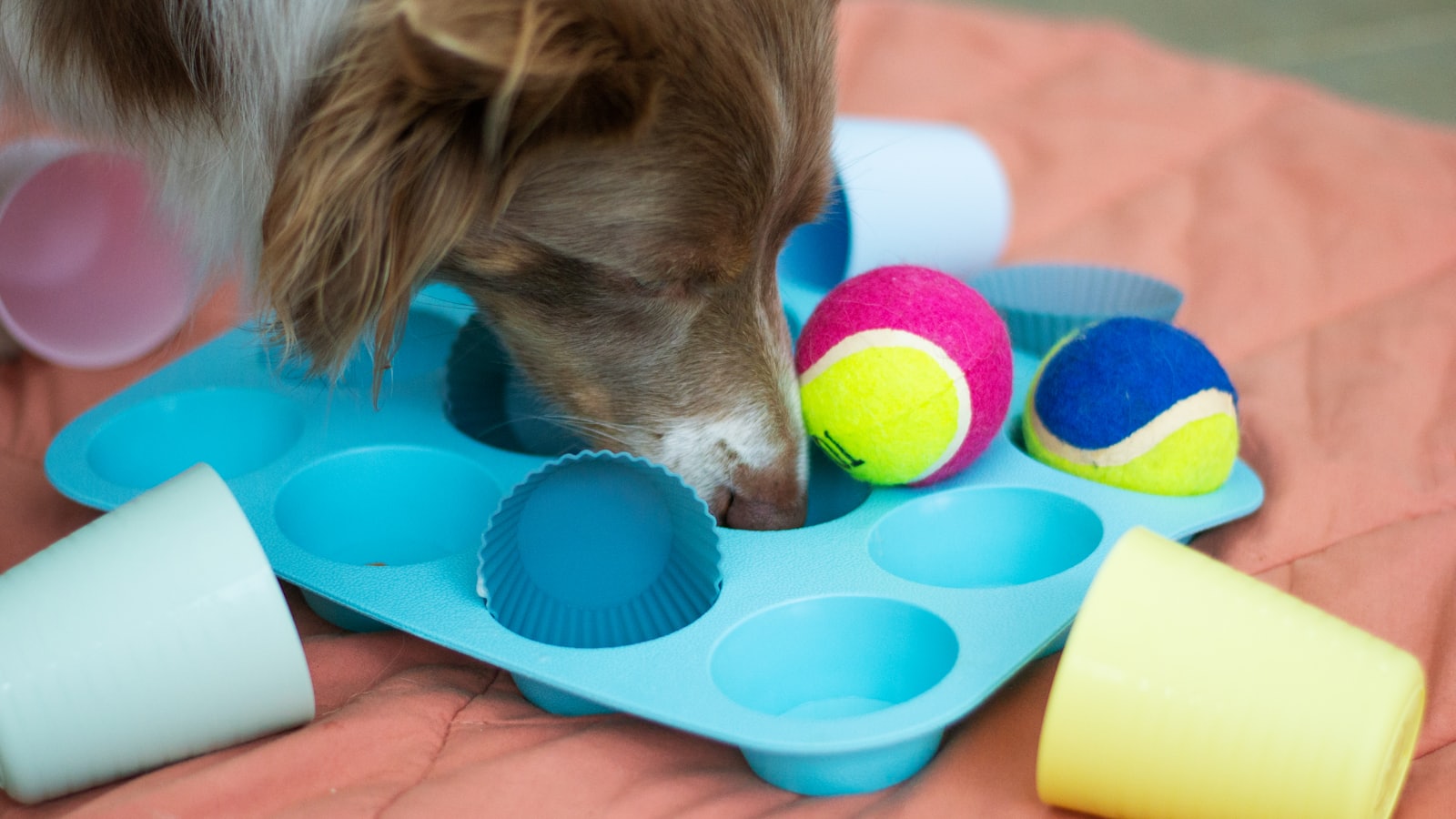 ➡️ Up nextRainy-Day Indoor Enrichment5 min read›