Grooming Schedules by Coat Type
Your dog's coat came with a maintenance manual — most owners just never got the copy. Here's the schedule for each coat type, and why brushing is secretly a health exam.
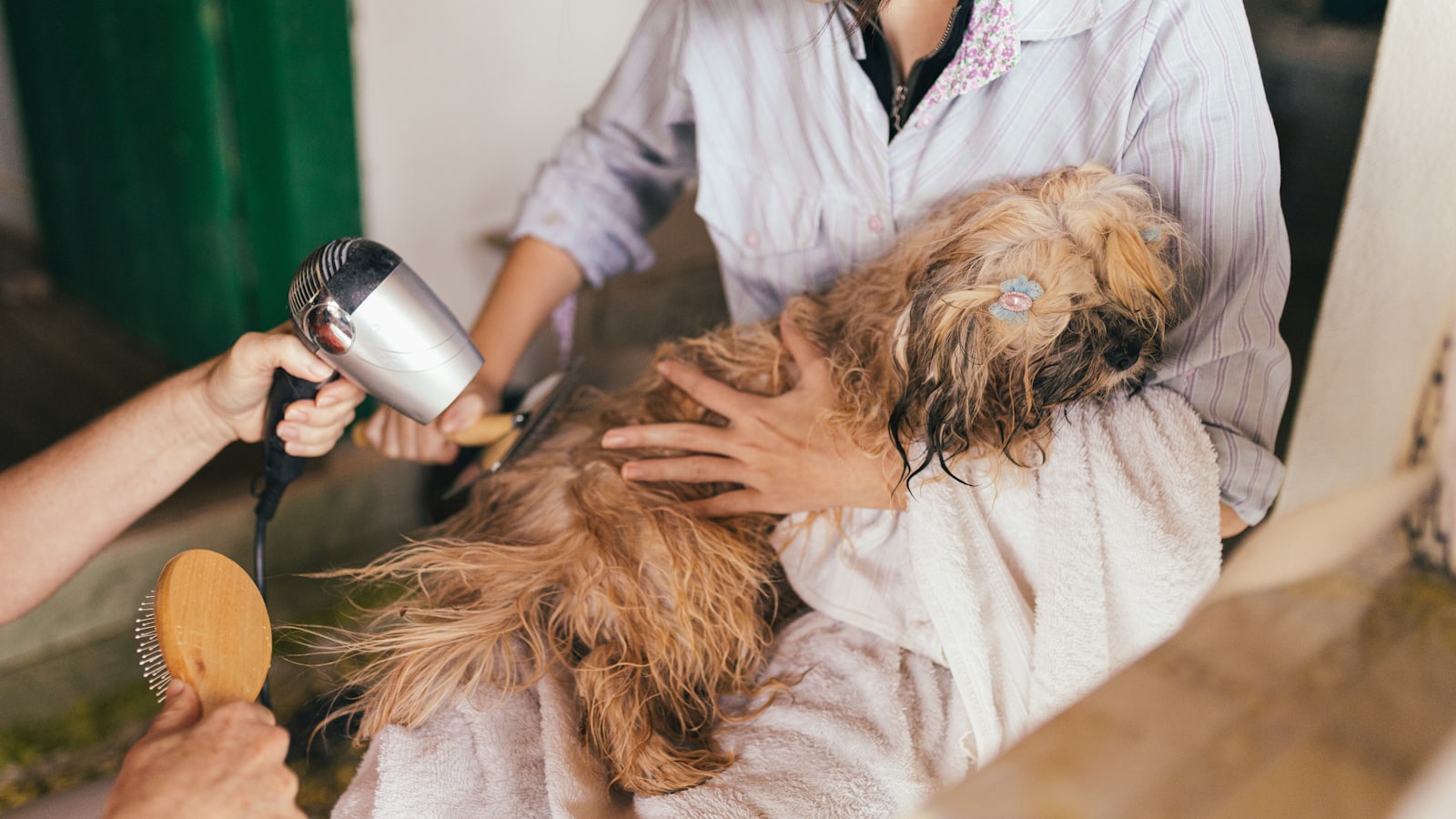
The doodle owner discovers matting at the groomer's — under the collar, behind the ears, tight to the skin — and gets the gentle lecture about brushing between visits. The Lab owner across town is buried under a second dog's worth of shed hair wondering if something's wrong. Neither dog is high-maintenance or broken; they just have different coats, and every coat type ships with its own schedule. Match the schedule to the coat and grooming shrinks from crisis to routine.
There's no such thing as a low-maintenance dog. There's only a schedule you know about — or one you discover at the groomer's.
📋 Quick Read
- Coat type sets the calendar: short coats need weekly attention, double coats need several sessions a week (daily in shedding season), and curly or long coats need near-daily brushing plus professional grooming every 4–6 weeks.
- Every brushing session doubles as a health scan — hands moving through the coat find lumps, parasites, hot spots, and tender places weeks before eyes would.
- The non-coat schedule matters too: nails every 3–4 weeks, ears checked weekly, teeth daily — and all of it runs on the handling skills from the cooperative-care work.
The four coat playbooks
Short and smooth (Labs, pointers, pitties): a weekly once-over with a rubber curry or bristle brush lifts dead hair and distributes skin oils; shedding is constant but manageable, and baths land roughly monthly or when the dog earns one. Double coats (huskies, shepherds, corgis): slicker plus undercoat rake two or three times weekly, escalating to daily during the biannual 'coat blow' when the undercoat leaves en masse — and never shave them for summer; the coat IS the air conditioning. Curly and wool (poodles, doodles, bichons): line-brushing to the skin several times a week (surface brushing hides forming mats), plus a professional cut every four to six weeks, because this coat never stops growing. Long and silky (Yorkies, shih tzus, setters): daily quick pass on the friction zones, thorough session weekly, with pro grooming on a similar cycle unless you keep them clipped short.
The brushing session that's secretly a vet visit
Make every session a two-minute body scan with a brush attached: hands over the whole dog, feeling for new lumps, scabs, flea dirt, ticks (especially ears, armpits, between toes), and any spot that makes your dog flinch or fuss. Check the mat zones — behind ears, under collar, armpits, sanitary areas. You'll find what matters early: skin infections while they're small, parasites before they're populations, the lump this month that wasn't there last month. Log anything you find with a photo; 'it's gotten bigger since March' is a sentence that changes vet visits, and only owners with records get to say it.
Nails, ears, baths — the rest of the manual
Nails: every three to four weeks for most dogs; if you hear clicking on hard floors, you're overdue (long nails change gait and stress joints). The handling lesson's paw work is the prerequisite — trim a nail or two per calm session rather than staging a ten-nail wrestling match. Ears: a weekly look-and-sniff — clean, pink, no odor is a pass; redness, discharge, or a yeasty smell is a vet conversation, especially for floppy-eared and allergy-prone dogs. Baths: dog shampoo only (human products strip the wrong oils at the wrong pH), roughly monthly for most coats or as adventures demand; over-bathing dries skin. And teeth — daily, per the dental lesson, which this schedule slots neatly alongside.
🗓 This Week's Plan
- Days 1–2: Identify your dog's coat playbook and gather the right tools (curry, slicker, rake, or comb — the coat picks).
- Days 3–4: First scheduled session with the body scan; photograph anything worth watching.
- Days 5–7: Add the ear check and two calm nails; book the pro groom if your coat type runs on one.
Load your coat's schedule into Pak Social
Pick the playbook, set the reminders, run the first scan this week. Your dog's coat came with a manual — now it's finally installed.
Get Pak Social — Free ➡️ Up nextVet-Visit Anxiety: Cooperative Care Basics5 min read›