Hot Spots: Causes and Fast Relief
That red, oozing, angry patch can appear overnight — here's how to calm it fast and stop it coming back.
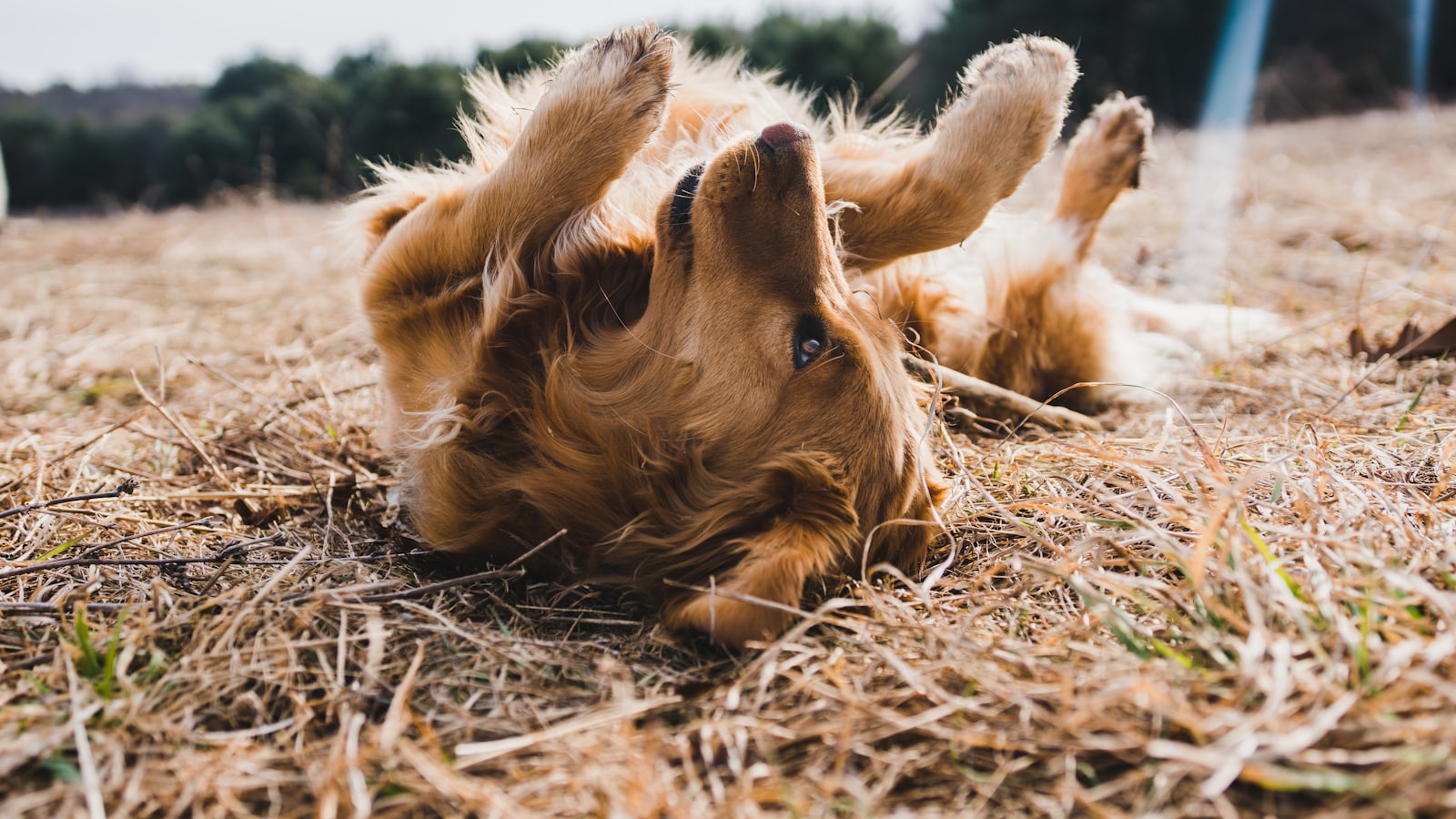
Yesterday your dog's coat looked fine. Today there's a raw, red, weepy patch — and your dog won't stop licking it. Hot spots seem to erupt out of nowhere, and they can double in size in hours because the dog's own licking makes them worse. The good news: once you understand the lick-itch cycle driving them, you can break it quickly and, more importantly, stop the next one before it starts.
A hot spot isn't the disease — it's the wound your dog dug chasing an itch.
📋 Quick Read
- Hot spots (acute moist dermatitis) are a patch of inflamed, infected skin created by a lick-scratch-chew cycle — the self-trauma is what makes them explode.
- There's always an underlying itch first: fleas, allergies, a skin or ear infection, or trapped moisture. Treat only the patch and it comes back.
- Step one is always to stop the licking. Until the self-trauma stops, nothing else can heal.
Why they blow up so fast
Hot spots most often show up on the head, neck, hips, or legs — wherever a dog can reach to lick and chew. What makes them so alarming is speed: because every lick provokes more itching, a dog can turn a pinprick of irritation into a palm-sized, oozing sore in a single afternoon. That's why the number-one priority isn't a cream — it's simply stopping your dog from getting at the spot.

First response: break the cycle, then clean and dry
The fastest relief comes from stopping the self-trauma — a cone (E-collar) or a soft barrier keeps your dog off the spot so it can start to heal. Gently clipping the fur around it and keeping the area clean and dry helps, since trapped moisture feeds the infection. Skip human ointments and home remedies unless your vet okays them; many aren't safe for a spot your dog will promptly lick. Anything beyond a small, mild patch deserves a vet visit, because hot spots frequently need prescription treatment to fully clear.
Stop the next one before it starts
Prevention is all about the underlying itch. Keep flea control current year-round, work with your vet on any allergies, address recurring ear infections, and keep the coat clean, brushed, and dry — especially for thick- or double-coated dogs and after swims. Dogs prone to hot spots often benefit from regular grooming that keeps the skin ventilated. Fix the trigger and the hot spots simply stop happening.
🚨 Call Your Vet ASAP If…
- A hot spot that's large, spreading quickly, or clearly very painful
- Pus, a foul odor, or your dog running a fever or seeming unwell
- You can't stop the licking, or the spot isn't improving within a day or two
- Repeated hot spots — ask your vet to find and treat the underlying cause
This article is for education — it isn't a substitute for veterinary care.
- Stop the licking and chewing (cone/E-collar or a soft barrier)
- Gently clip and clean the area so it can dry and breathe
- Keep it dry — trapped moisture feeds the infection
- See my vet for anything beyond a small spot (it often needs medication)
- Hunt the trigger: fleas, allergies, or an ear infection driving the itch
- Prevent recurrence with grooming, flea control, and treating the cause
🗓 This Week's Plan
- Right now: stop the self-trauma with a cone or barrier, and gently clean and dry the area.
- Days 1–2: See your vet for anything beyond a small, mild spot — many hot spots need prescription treatment.
- Days 3–7: Hunt and fix the trigger (fleas, allergies, ears) and log the flare so you can spot a pattern.
Start a Skin-Health log in Pak Social
Log each flare-up and its likely trigger. Over time you'll see what sets your dog off — and give your vet exactly what they need to stop the cycle for good.
Get Pak Social — Free ➡️ Up nextDog Allergies: Food vs. Environmental4 min read›