Stop the Pulling: Loose-Leash Walking
A calm, repeatable way to teach your dog that a slack leash is what makes the walk happen.
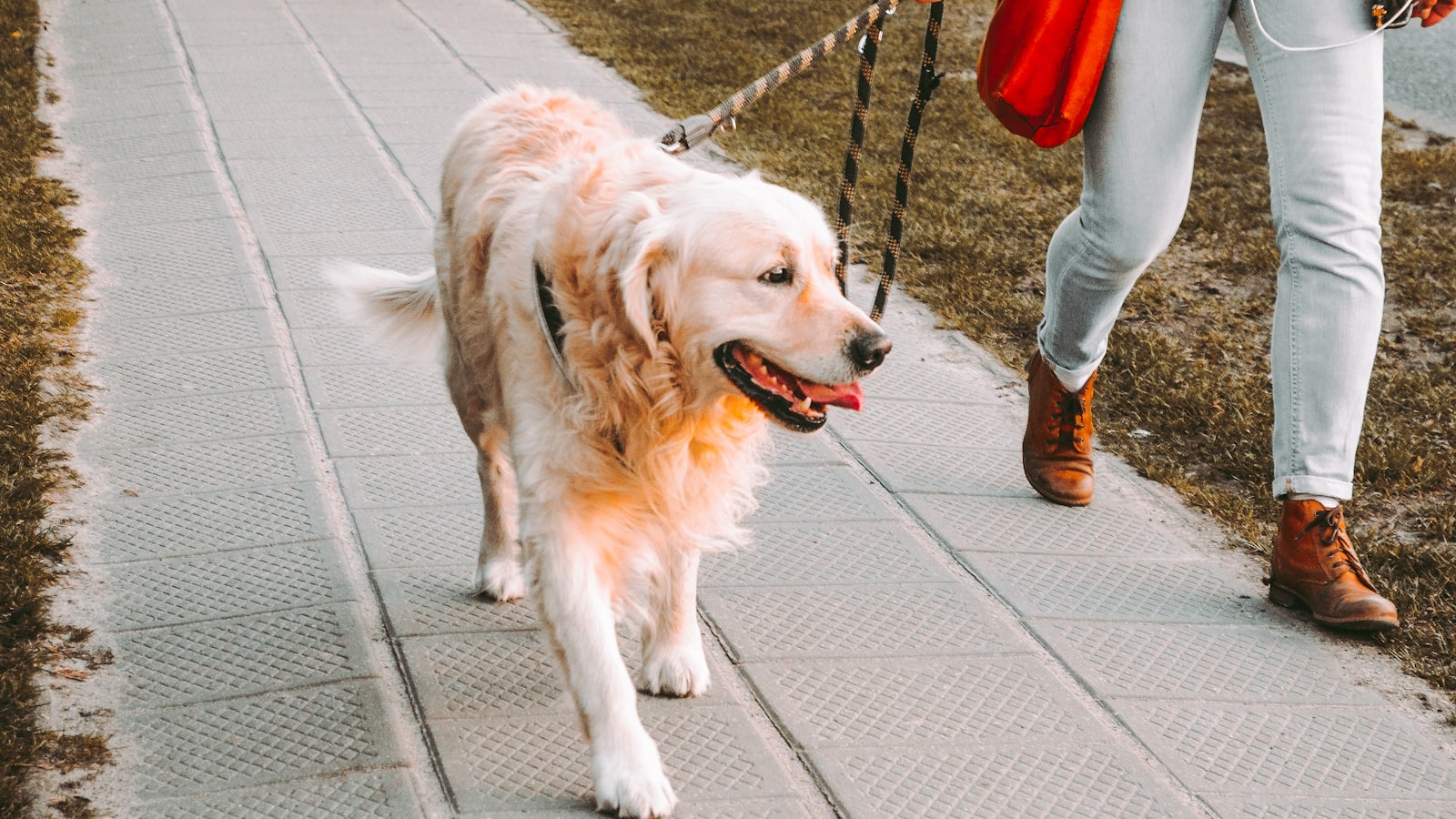
You set out for a relaxing walk and ten seconds later your shoulder is being towed down the block while your dog does an enthusiastic impression of a sled team. You're not doing anything wrong — pulling works for dogs. They pull, they get where they want to go, the behavior gets paid. The fix isn't yanking back; it's changing what the leash earns.
Dogs don't pull because they're stubborn. They pull because it works.
📋 Quick Read
- Pulling is a trained habit — every step forward on a tight leash quietly rewards it.
- Dogs barely generalize: a dog who's perfect in the kitchen may forget everything on a real sidewalk. Train the easy version first.
- Three days of boring indoor practice usually beats three months of correcting on busy streets.
The one rule that does the work
Here's the core: a tight leash stops the walk; a loose leash starts it again. Your dog learns that slack is the key that turns the world back on. It feels slow for about three days, then it clicks.
Step 1 — Pay for position indoors
In a boring room, stand still and wait. The instant your dog drifts to your side with a loose leash, say "yes" and feed a treat right at your pant seam — down low, where you want their head to be. You're building a picture: being next to you pays. Keep your leash hand anchored at your belt, and never feed out in front (treats out front teach forging).
Count how many voluntary check-in glances you get in a five-minute session.
Step 2 — Add three steps, then stop
Take three steps. If the leash stays loose, mark and feed at your leg. If it tightens, stop like a tree — no scolding, no reeling in. Wait for slack (your dog will turn back), then move again. The walk only resumes on slack.
If this feels painfully slow, you're probably doing it right. Nearly everyone tries to move outside too quickly.
Take it outside in layers
The sidewalk has a hundred more smells and sights than your hallway, so expect your dog to "forget." That's a new context, not defiance. Start in the lowest-distraction spot you can find and bring better treats outdoors than you use inside.
The dogs who pull hardest usually aren't the stubborn ones — they're the ones whose owners jumped straight to busy streets before slack was a habit anywhere.
🗓 This Week's Plan
- Days 1–2: 5-minute indoor reps — mark and feed every loose-leash check-in. Compare voluntary glances in session 1 vs. session 4.
- Days 3–4: Move to the driveway. Practice "three steps → stop on tightness." Aim for 10 loose steps in a row.
- Days 5–7: One short daily "sniff walk" where the only goal is slack. Rate each walk's Leash Calm Score (1–5) and watch the trend.
Start the Loose-Leash Walking Challenge in Pak Social
Every walk becomes a training session. Log your route, your Leash Calm Score, and your dog's check-ins. After a week you'll know exactly which environments your dog is ready for — and which are still too distracting.
Get Pak Social — Free ➡️ Up nextThe Reliable Recall: A Complete Build3 min read›