Proofing Recall Around Distractions
Your dog comes every time in the kitchen and ignores you at the park. Here's how to close that gap on purpose.
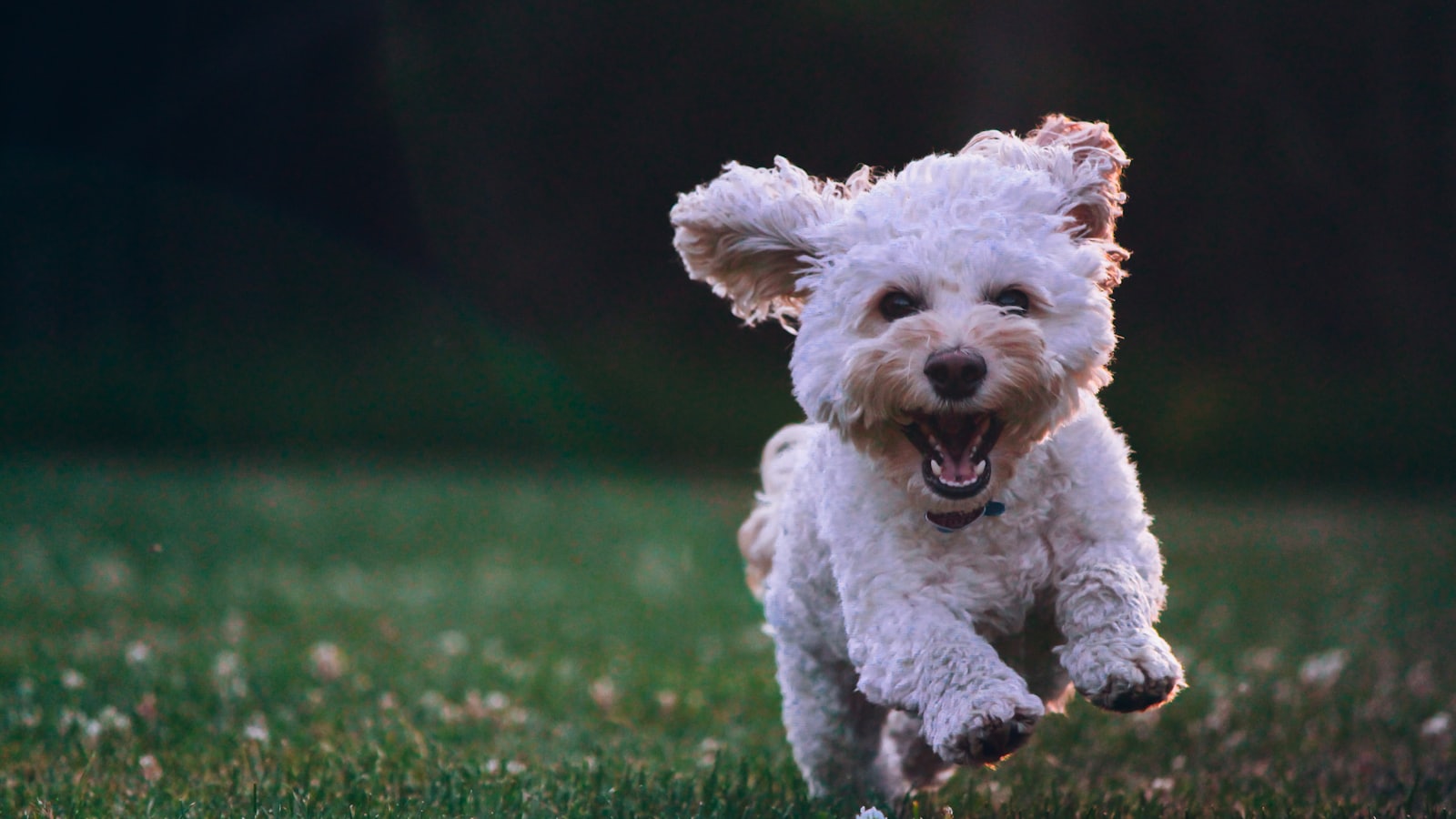
Your dog nails "come" in the living room a hundred times in a row. Then a squirrel crosses the trail and it's like the word was never invented. Here's the reframe that changes everything: your dog isn't blowing you off. To a dog, "come" in the quiet kitchen and "come" next to a bouncing tennis ball are two completely different cues — and you've only trained the first one. Proofing is how you teach the second.
Your dog isn't ignoring you at the park. You just never trained “come” at the park.
📋 Quick Read
- Dogs barely generalize. A perfect recall at home doesn't transfer to the park on its own — you have to rebuild it at each new difficulty level.
- Distraction is a dial, not a switch. You raise it one notch at a time and keep winning, instead of jumping straight to the hardest environment and failing.
- The fastest way to ruin a recall is to call once, get ignored, and repeat. Every unanswered “come” teaches your dog the word is optional.
Distraction is a ladder, not a leap
Picture every environment as a rung on a ladder: the living room, the hallway, the backyard, a quiet street, a busy path, the park at a distance, the park up close. Your dog can only climb one rung at a time. If "come" is solid in the backyard, you don't test it at a crowded park next — you move to the quiet street, prove it there, then keep going.
Use a long line (a 15–30 ft leash) as your safety net on the middle rungs. It lets your dog feel free while guaranteeing you never have to test a recall you might lose — because a recall your dog ignores is a recall you're accidentally un-training.
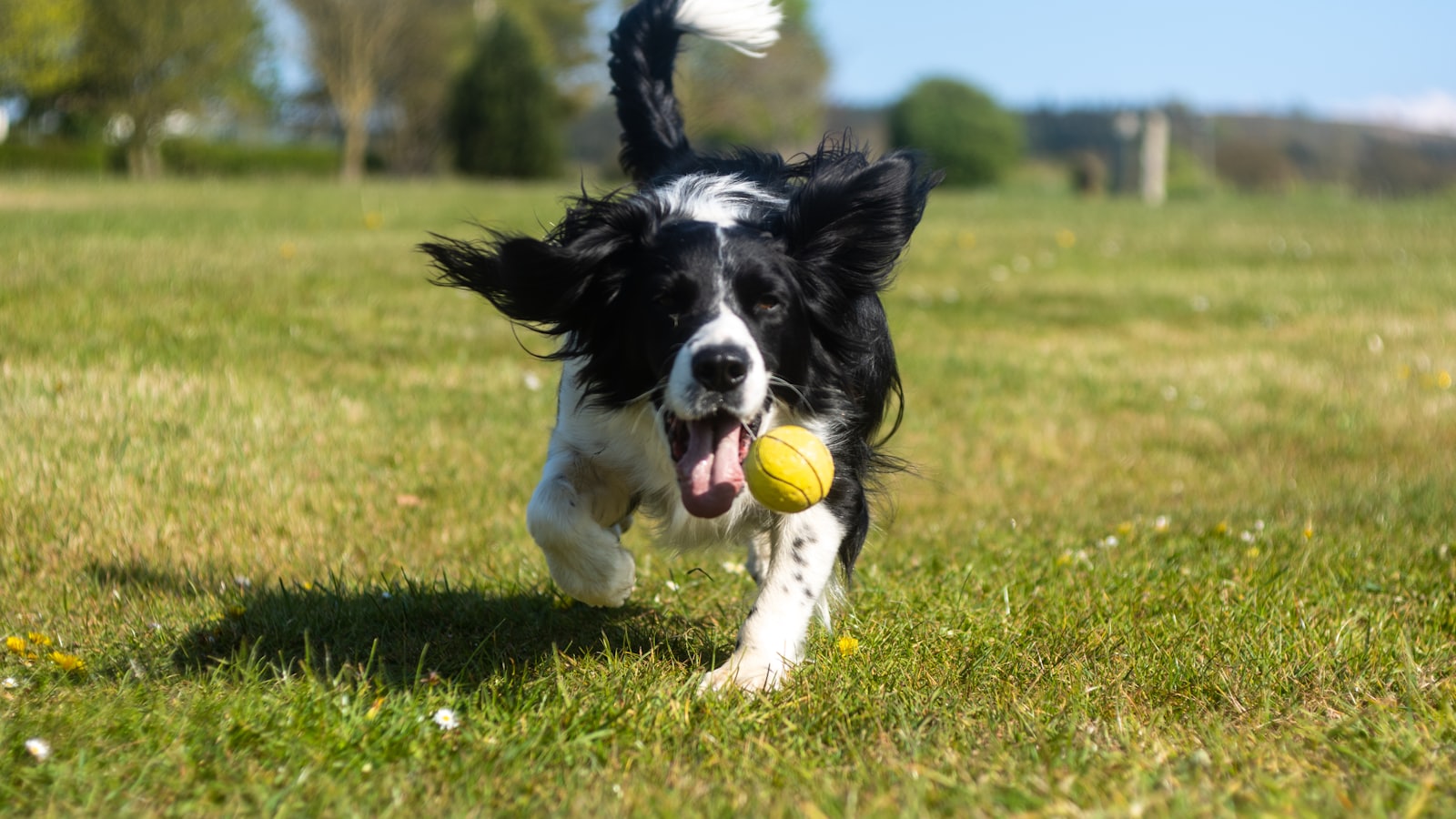
Pay like the park is competing for your dog
Out in the world, you're bidding against squirrels, other dogs, and a thousand smells. Boring kibble won't win that auction. For proofing, bring the good stuff — real chicken, cheese, whatever your dog would sell you out for — and pay generously the instant they turn toward you. You're not bribing; you're making "come" the best bet available.
Then release them back to the fun. If "come" always ends the sniffing or the play, a smart dog learns to avoid it. When "come" means "treat, then go be a dog again," coming back stops feeling like a trap.
Protect the word so it never gets weak
Guard your recall cue like it's valuable, because it is. Don't use "come" for things your dog dislikes (nail trims, bath, leaving the park), or you'll poison it. Don't repeat it into the void, either — if you're not confident your dog will respond, don't spend the word. Go get them, reset, and make the next rep easier.
🗓 This Week's Plan
- Days 1–2: On a long line, prove “come” one rung above where it's easy — the backyard or a quiet street. 10 reps, jackpot every single one.
- Days 3–4: Add one real distraction at a distance your dog can still succeed. Rate each recall's Reliability Score and note the setting.
- Days 5–7: Only if you're winning ~9/10, move up one rung. If not, hold — repetition at the current level beats a failed leap to the next.
Start the Recall Proofing Challenge in Pak Social
Log your reps and rate each recall as you climb the ladder. In a week you'll see the Reliability Score rising rung by rung — and know the precise moment your dog is ready for a harder environment.
Get Pak Social — Free ➡️ Up nextEmergency Recall You Can Trust5 min read›