Puppy Feeding Schedule by Age
Four meals, then three, then two — the feeding timeline that tracks your puppy's growth, and the transitions everyone fumbles.
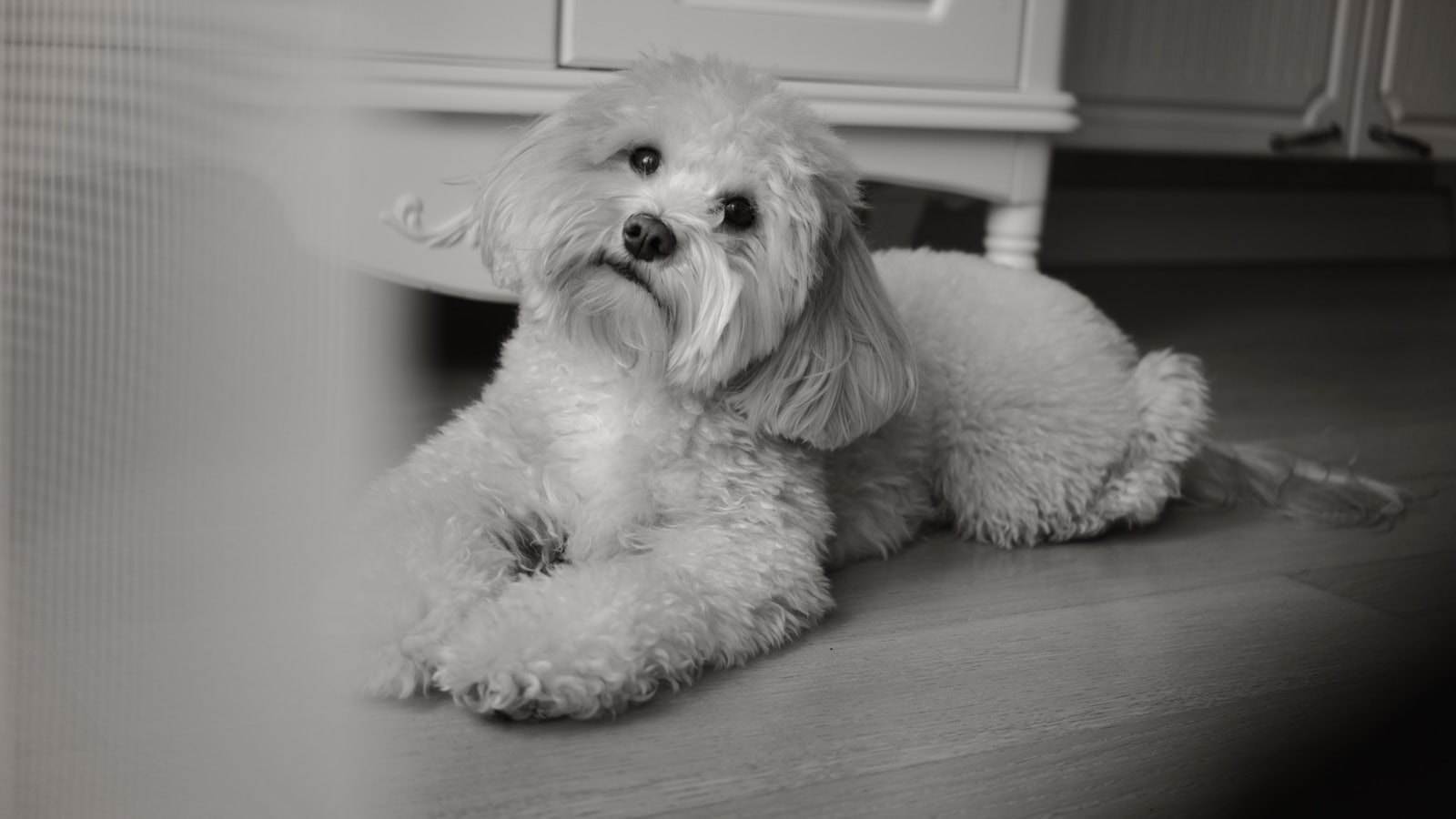
The breeder said three meals. The bag says a chart of cups-per-weight. The internet says seventeen contradictory things, and your puppy says MORE, always, with total conviction. Puppy feeding is genuinely simpler than the noise suggests: a meal count that steps down with age, portions from the bag's chart tuned by body condition, and puppy-formulated food until they're grown. Here's the timeline, transition by transition.
Puppies don't need a perfect diet. They need the right count, the right food, and a human who watches the waist, not the bowl.
📋 Quick Read
- The count by age: roughly four meals until ~12 weeks, three from three to six months, and the step down to two around six months — where most dogs stay for life.
- Puppy formula matters until maturity: growth food is calibrated for developing bodies (large breeds get their own version to keep growth slow and joints sound) — 'adult food early' is a false economy.
- Portion charts are starting points, not verdicts: tune by body condition — ribs easily felt but not seen, visible waist — and re-check monthly, because the target moves as fast as the puppy grows.
The timeline
Eight to twelve weeks: four meals (or three for larger breeds with bigger tanks), evenly spaced across the waking day — this is also the potty-clock era, so the feeding schedule and the housetraining schedule are the same document. Three to six months: three meals; drop the one your schedule likes least. Six to twelve months: step to two, morning and evening — the adult rhythm from the feeding-schedules lesson. Small breeds may finish growing (and switch to adult food) around ten to twelve months; large and giant breeds keep growing — and stay on large-breed puppy formula — to eighteen months or beyond. The switch dates are vet conversations, not birthday rules.
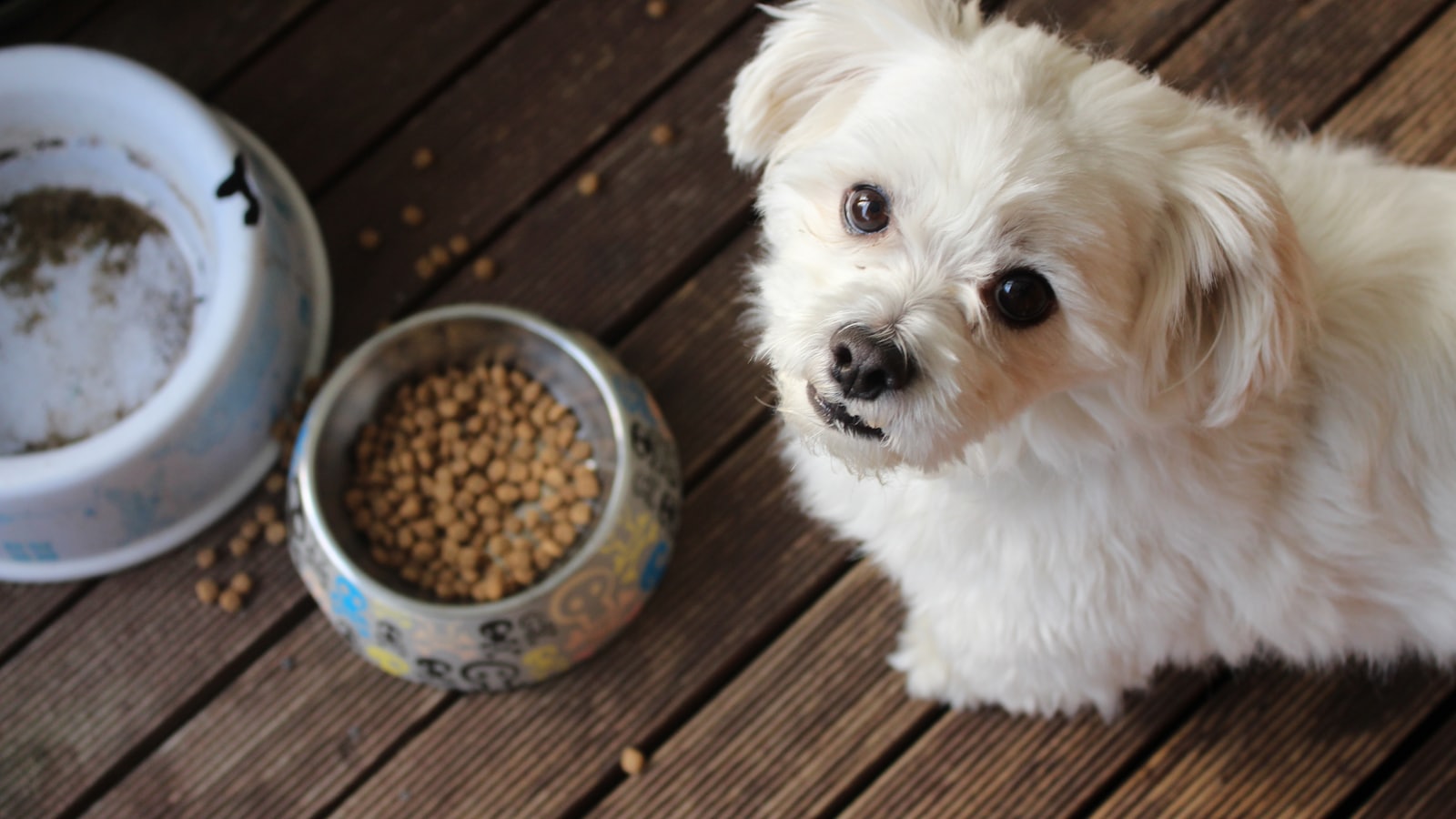
Portions: chart first, waist forever
Start at the bag's chart for your puppy's age and expected adult weight, split across the day's meals, with training treats carved out of (not added to) the total — a training-heavy week can route a third of the ration through your pocket, per the treats lesson. Then run the monthly body check: ribs easily felt under a thin layer but not visible; a waist when viewed from above; a tummy tuck from the side. Adjust portions ten percent at a time. Puppies grow in lurches, so appetite fluctuates week to week — the trend and the body condition are the truth, not any single ravenous Tuesday.
Transitions without drama
Dropping a meal: shift its calories into the remaining meals over a few days — the count changes, the daily total doesn't (until the chart says so). Changing foods (including the eventual adult-food switch): blend over seven to ten days, from quarter-new to all-new, watching stool along the way — the poop lesson's baseline makes any diet experiment readable. And through every transition, keep the anchor: mealtimes stay fixed even as counts and formulas change, because the schedule is what the potty clock, the training economy, and the household rhythm are all built on. The puppy lobby will vote MORE at every stage. The chart, the waist, and the vet outvote them.
🗓 This Week's Plan
- Days 1–2: Set the age-right meal count with fixed times; portions from the chart, treats carved out.
- Days 3–5: Run the meal log; note finishing speed and any leftovers.
- Days 6–7: First Waist Check with photos; adjust portions ten percent if the check says so.
Set the puppy feeding plan in Pak Social
Count, times, portions, waist check — ten minutes of setup, then the schedule raises the puppy with you. The MORE lobby will adjust.
Get Pak Social — Free ➡️ Up nextHow Much to Feed a Growing Puppy5 min read›