Road-Trip Checklist for Dogs: Travel Made Easy
Hitting the road with your dog is one of travel's great pleasures — once you've handled safe restraint, regular breaks, motion sickness, and the packing list. Here's everything you need for a smooth, safe journey together.
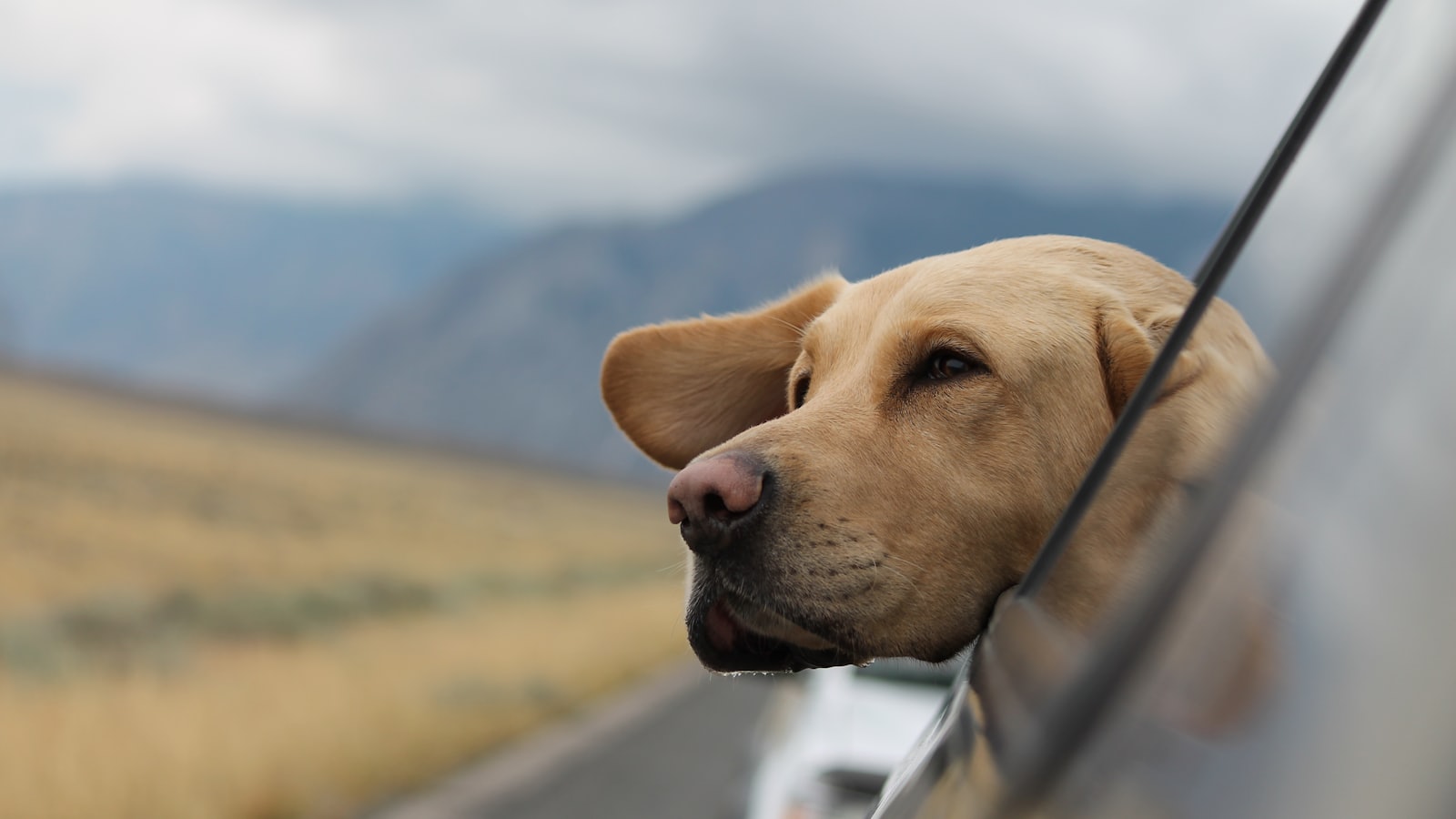
A road trip with your dog can be pure joy — but a loose, carsick, or under-prepared dog can turn it stressful and unsafe fast. The keys are safe restraint (an unrestrained dog is a danger to everyone in a crash and a distraction while driving), regular stops for potty and stretching, a plan for motion sickness and nerves, and a solid packing list. Handle those, and the miles roll by easily — with your best friend riding shotgun (safely secured) and adventure at every rest stop.
Safe road trips come down to four things: secure restraint, regular breaks, a motion-sickness plan, and a good packing list. Nail those and the miles are easy.
📋 Quick Read
- Safety first: restrain your dog properly — a crash-tested crate, a secured carrier, or a crash-tested harness-and-seatbelt — never loose or in your lap.
- On the road: stop every few hours for potty, water, and a stretch, and never leave your dog in a parked car (heat kills fast).
- Comfort and prep: plan for motion sickness and nerves (build up short trips first), and pack food, water, meds, bedding, waste bags, and ID.
Safe restraint and regular breaks are non-negotiable
The foundation of a safe road trip is restraint. A loose dog is a genuine hazard — in a crash it becomes a projectile that can injure itself and the people in the car, and even without a crash it can distract the driver or bolt when a door opens. So secure your dog properly: a crash-tested travel crate anchored in the car, a secured carrier, or a crash-tested harness clipped to a seatbelt. Never let your dog ride loose, in your lap, or with its head out the window (where debris and injury are risks). Getting a dog comfortable with its restraint before the trip — through short positive practice rides — makes travel smoother.
Plan to stop every few hours for a potty break, fresh water, and a stretch; it keeps your dog comfortable and cuts down on restlessness. And the cardinal rule: never leave your dog in a parked car. On even a mild day, a car's interior can reach deadly temperatures within minutes, and 'just a few minutes' is how heatstroke tragedies happen. If you can't take your dog with you at a stop, one person stays with it or you skip the stop.
Handle motion sickness and nerves, and pack smart
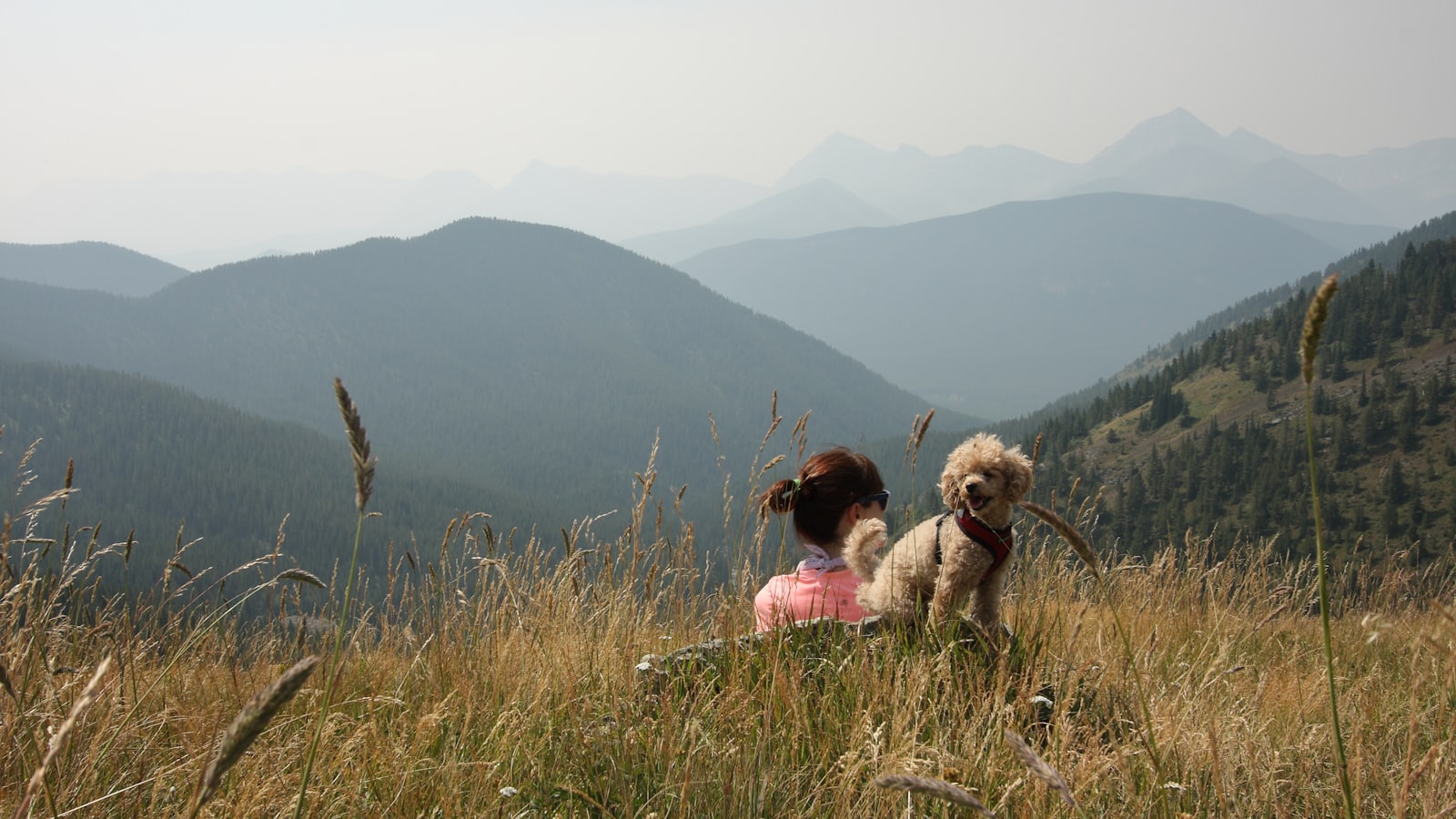
Many dogs — puppies especially — get carsick or anxious, and both are manageable. Build tolerance before a big trip with short, positive drives that end somewhere fun, so the car predicts good things rather than stress. On travel days, feed a light meal a few hours before (or travel on a fairly empty stomach) to reduce nausea, keep the car cool and well-ventilated, and give your dog a steady view out the window or a cozy crate, which helps with both sickness and nerves. For dogs that struggle despite this, ask your vet about anti-nausea medication or calming aids — there are good options, and there's no reason for a dog to suffer through travel.
Then pack the kit: enough food and water plus bowls, any medications, bedding and a familiar comfort item, plenty of waste bags, a leash, a basic canine first-aid kit, and vaccination/health records if you'll stay overnight or cross into places that require them. Confirm current ID tags and microchip info, and book dog-friendly accommodations in advance if you're overnighting. A well-restrained, well-broken, comfortable, well-packed dog is a wonderful travel companion — and the road trip becomes the adventure you both hoped for.
- Safe restraint (crash-tested crate, carrier, or harness + seatbelt)
- Food, water, bowls, and any medications
- Bedding, a comfort item, and plenty of waste bags
- Leash, basic first-aid kit, and a towel
- Vaccination/health records (for overnight stays)
- Current ID tags + microchip info confirmed
🗓 This Week's Plan
- Days 1–2: Sort out safe restraint — a crash-tested crate, carrier, or harness — and let your dog practice with short rides.
- Days 3–5: If your dog gets carsick or anxious, build up positive short trips and ask your vet about anti-nausea or calming help.
- Days 6–7: Assemble the packing kit, confirm ID/microchip, and book any dog-friendly overnight stops in advance.
Prep a road trip with Pak Social
Safe restraint, regular breaks, a motion-sickness plan, and a full packing kit. Pak Social keeps your road trips smooth and your dog safe mile after mile.
Get Pak Social — Free ➡️ Up nextFlying With Your Dog: What to Know Before You Book5 min read›