Running With Your Dog: A Safe Start-to-Distance Plan
A running buddy who's always thrilled to go — for the right dog, that's a dream. But safe canine running means waiting until the body is grown, building distance gradually, and knowing the heat and paw rules that keep it fun, not harmful.
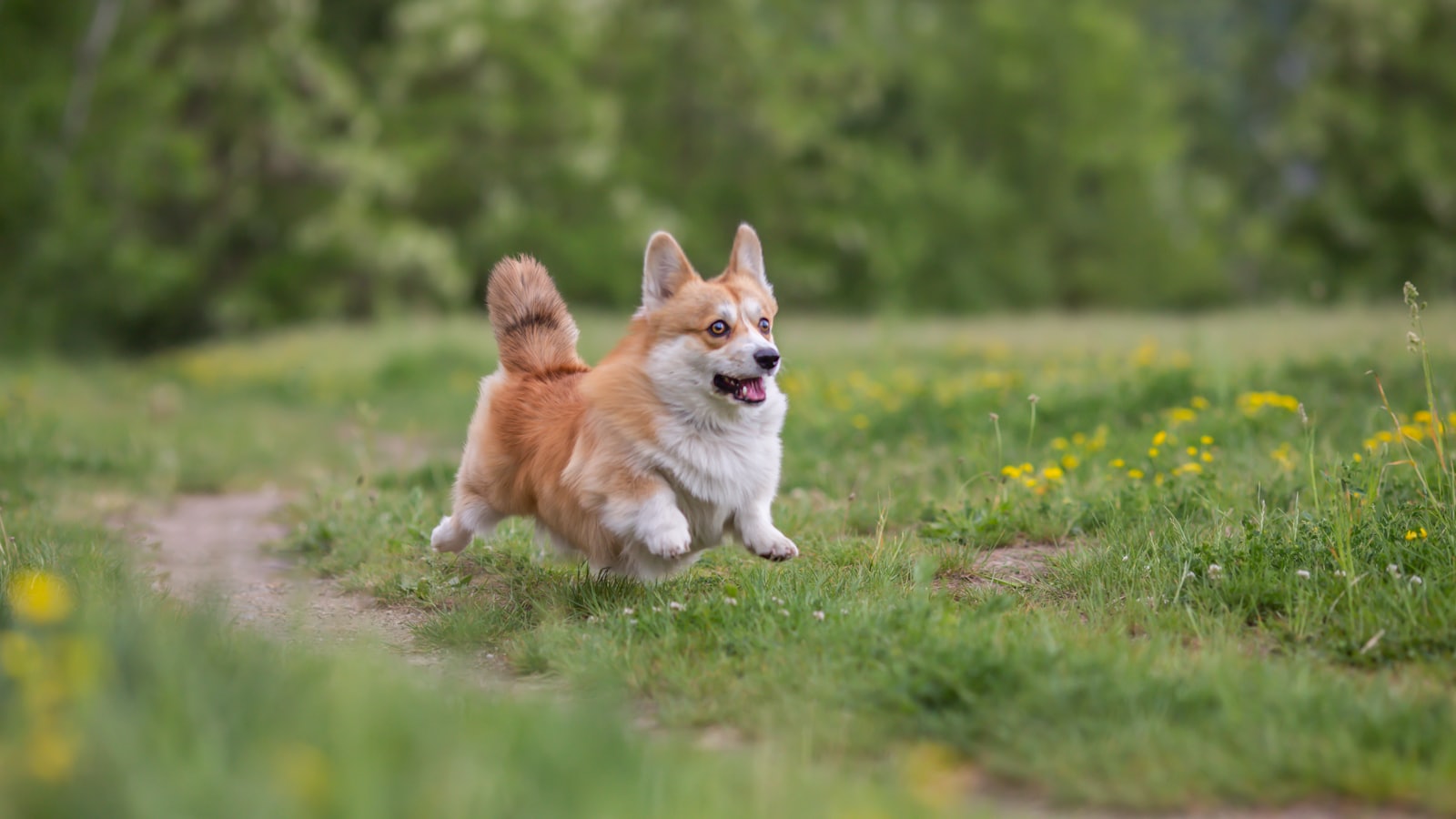
For an energetic, healthy adult dog, running together is one of the best shared outlets there is — great exercise, great bonding, and a genuinely happy running partner. But it comes with real rules: puppies shouldn't run distance until their growth plates close, distance must be built up gradually like any athlete's, and heat and hot pavement are serious dangers that send dogs to the ER every summer. Get the timing, the buildup, and the safety right — ideally after a vet check — and running becomes a joyful staple; get them wrong and you risk lasting injury.
Wait for the body to grow, build distance slowly, and respect heat and hot pavement — then running with your dog is a joy, not a risk.
📋 Quick Read
- The prerequisites: an adult dog (growth plates closed — usually ~12–18+ months, later for big breeds), a vet okay, and a breed/build suited to running.
- The buildup: increase distance and pace gradually, like a human runner's training plan — never jump to long runs, and build the paw pads up too.
- The safety rules: avoid heat (dogs overheat fast) and hot pavement (burns paws), bring water, watch for fatigue, and skip it for flat-faced and unsuited breeds.
Get the prerequisites right before you start
Before your dog becomes your running partner, three things need to be true. First, age: distance running waits until the growth plates close — roughly 12 to 18 months, and later for large and giant breeds — because high-impact running on a still-growing skeleton can cause lasting damage. Second, a vet okay: a quick check confirms your dog is healthy and built for it, which matters especially for any dog with joint or heart concerns. Third, suitability: many breeds are terrific runners, but flat-faced brachycephalic breeds (Bulldogs, Pugs, and similar) genuinely shouldn't distance-run because they can't cool or breathe efficiently, and some very small, giant, or orthopedically-limited dogs aren't good candidates either.
If your dog is a young puppy, channel that energy into age-appropriate play and short walks for now, and save the running for when the body is ready. Rushing it is one of the few dog-exercise mistakes that can cause permanent harm. Once your dog checks all three boxes, you're ready to build.
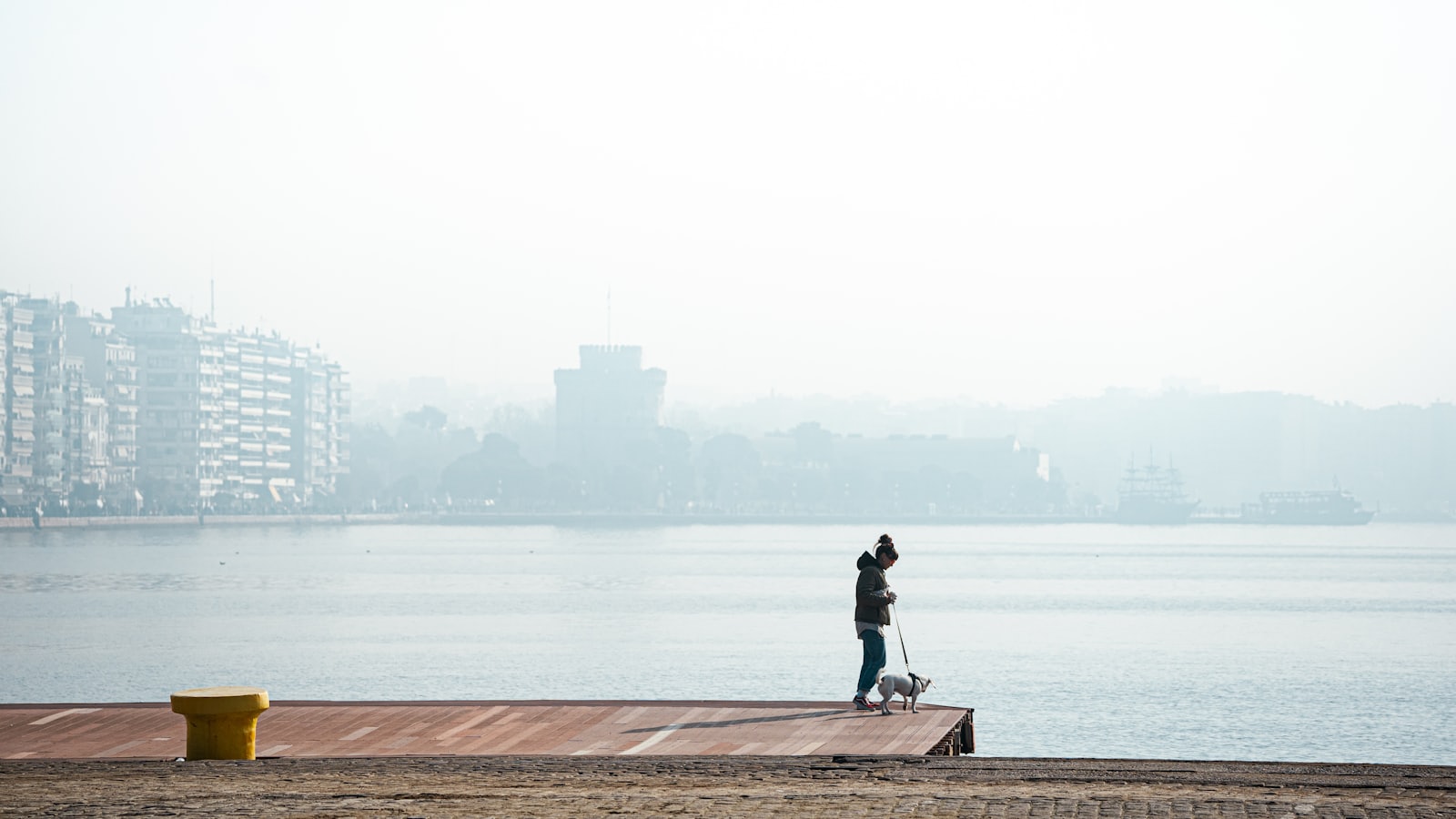
Build gradually and respect heat and pavement
Treat your dog like the athlete it is: build distance and pace gradually over weeks, exactly like a human couch-to-5K plan. Start with short run-walk intervals, increase slowly, and let the body — including the paw pads, which toughen with gradual exposure — adapt. Jumping straight to long runs invites soft-tissue strains and torn or worn pads. Warm up with a brisk walk before you pick up the pace, cool down afterward, and keep your dog leashed and under control the whole time.
The two dangers that hurt dogs most are heat and hot pavement. Dogs overheat far faster than humans and can suffer heatstroke quickly, so run in the cool parts of the day (early morning, evening), skip running in high heat and humidity entirely, and always bring water. Test the pavement with the back of your hand — if it's too hot for you to hold your hand there for several seconds, it's too hot for paws, which burn easily on asphalt. Watch your dog constantly for signs it's had enough: heavy, labored panting, slowing, lagging behind, or lying down mean stop, get to shade and water, and treat rapid overheating as an emergency. Build gradually, run cool, protect the paws, and let your dog set the ceiling, and running stays the joyful shared habit it should be.
🗓 This Week's Plan
- Days 1–2: Confirm the prerequisites — grown body, vet okay, suited breed. If your dog isn't ready, stick to age-appropriate activity.
- Days 3–5: Start short run-walk intervals in the cool of the day, bringing water and testing the pavement.
- Days 6–7: Add a little distance only if your dog handled it easily, and watch closely for heat and fatigue signals.
Build a running plan with Pak Social
Start after the body's grown, build distance gradually, and run cool with paw safety in mind. Pak Social keeps your running buddy safe, healthy, and happy to go.
Get Pak Social — Free ➡️ Up nextHiking Safely With Your Dog: Trail-Ready Essentials5 min read›