Smart-Home Setups for Dog Owners
Your smart home already speaks dog — it just doesn't know it yet. Climate, lights, sound, cameras, and routines, rewired around the animal who's actually home all day.
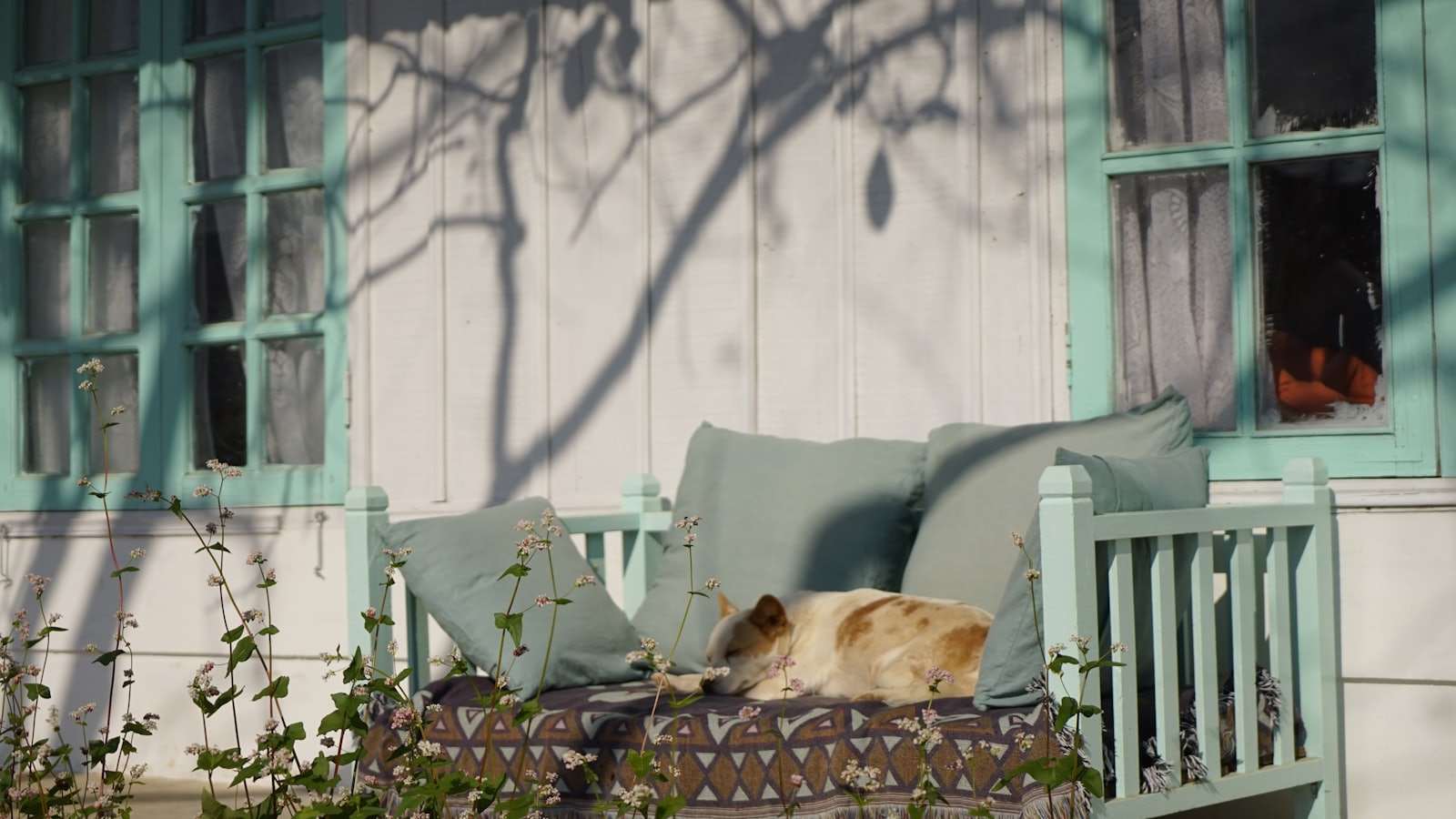
Here's a fun audit: who spends the most hours in your smart home? Not you — you're at work. It's the dog, living all day inside a system programmed entirely around human schedules: climate that ecos down after you leave, lights that die at sunset, a house that goes tomb-silent at 8:04 a.m. The infrastructure is already installed; it's just serving the wrong resident. A handful of routine changes turns the same gadgets into a genuinely better environment for the animal actually using it.
Your smart home is programmed around the humans who leave. Reprogram it around the dog who stays.
📋 Quick Read
- Climate is the safety layer: temperature automations (and alerts when they fail) matter most for dogs — especially flat-faced breeds, seniors, and anyone in a heat-wave summer or power-flicker climate.
- Sound and light smooth the alone hours: a departure routine that leaves calm audio on and lights that follow the sun beats the silent-tomb-to-blazing-return whiplash most dogs live with.
- Automation supports routines, never replaces care: feeders keep meal times honest on late days, cameras watch the unwatchable — but the walk, the training, and the company remain stubbornly analog.
Climate first: the safety automations
Set the thermostat's away mode around the dog, not the empty house: a summer ceiling and winter floor chosen for your actual dog (flat-faced, thick-coated, senior, or tiny dogs all shift the numbers — ask your vet where their risk starts), with eco-savings taken from the humans' comfort band, not the dog's safety band. Then add the failure alarm: a temperature sensor (most smart-home ecosystems have cheap ones) that alerts your phone when any room crosses your limits — this is the automation that catches the failed AC, the tripped breaker, the heat wave outrunning the system, while there's still time to send the village (the dog-care-village lesson's tier one exists for exactly this call). Air quality bonuses for allergy dogs (the itchy lessons): an air purifier on a schedule during pollen season costs nothing to automate and helps some dogs measurably.
Sound, light, and the shape of an alone day
Rewire the transitions. Departure: instead of the door-slam-to-silence cut, a routine that starts calm audio (steady playlists, dog-calm stations, or plain talk radio — test what YOUR dog settles to via the camera) and sets daytime lighting. Masking: for the window-barker and the delivery-truck connoisseur, consistent background sound blunts the outside triggers that fire the alarm system all day (management, automated — the barking lesson approves). Evening: lights that ramp with sunset instead of leaving the dog in creeping darkness until you're home, which also smooths the wind-down for the bedtime routine (the go-to-bed lesson's staircase, with a dimmer switch). None of this is exotic — it's the same routines your ecosystem already runs, re-scheduled around a resident whose day was previously an afterthought.
Feeders, doors, and the honest division of labor
Smart feeders earn their slot as schedule insurance: the 6 p.m. meal happens at 6 even when the meeting runs long, portions stay measured (the feeding lessons' metronome, defended), and multi-pet recognition models solve the bowl-raiding wars. Water fountains with level alerts cover the dumbest failure mode in pet care. Smart pet doors (chip-activated) suit specific fenced-yard situations — with the caveat that unsupervised yard access trades potty convenience for fence-line rehearsals (the barking and digging lessons have opinions). And then the honest line: nothing in the ecosystem walks the dog, trains the dog, or keeps the dog company. The whole setup exists to hold the routine steady and watch the gaps — the analog hours you spend are still the product; the automations are the packaging that protects it.
🗓 This Week's Plan
- Days 1–2: Set the dog-band thermostat limits and install the temperature alert — the one automation with a safety payoff.
- Days 3–4: Build the departure routine (audio + lights) and A/B it against camera footage.
- Days 5–7: Run the Resident Audit on every existing routine; reprogram the worst three.
Run the Resident Audit with Pak Social
Your house already has the hardware. One evening of reprogramming around the actual resident, and the dog's day gets measurably better — no new subscriptions required.
Get Pak Social — Free ➡️ Up nextSmart Picks for New Owners6 min read›