Telehealth for Dogs: When It Helps
Video visits, triage chats, photo consults — veterinary care has a remote lane now. Here's what it does brilliantly, what it legally can't, and how to use it without losing time when time matters.
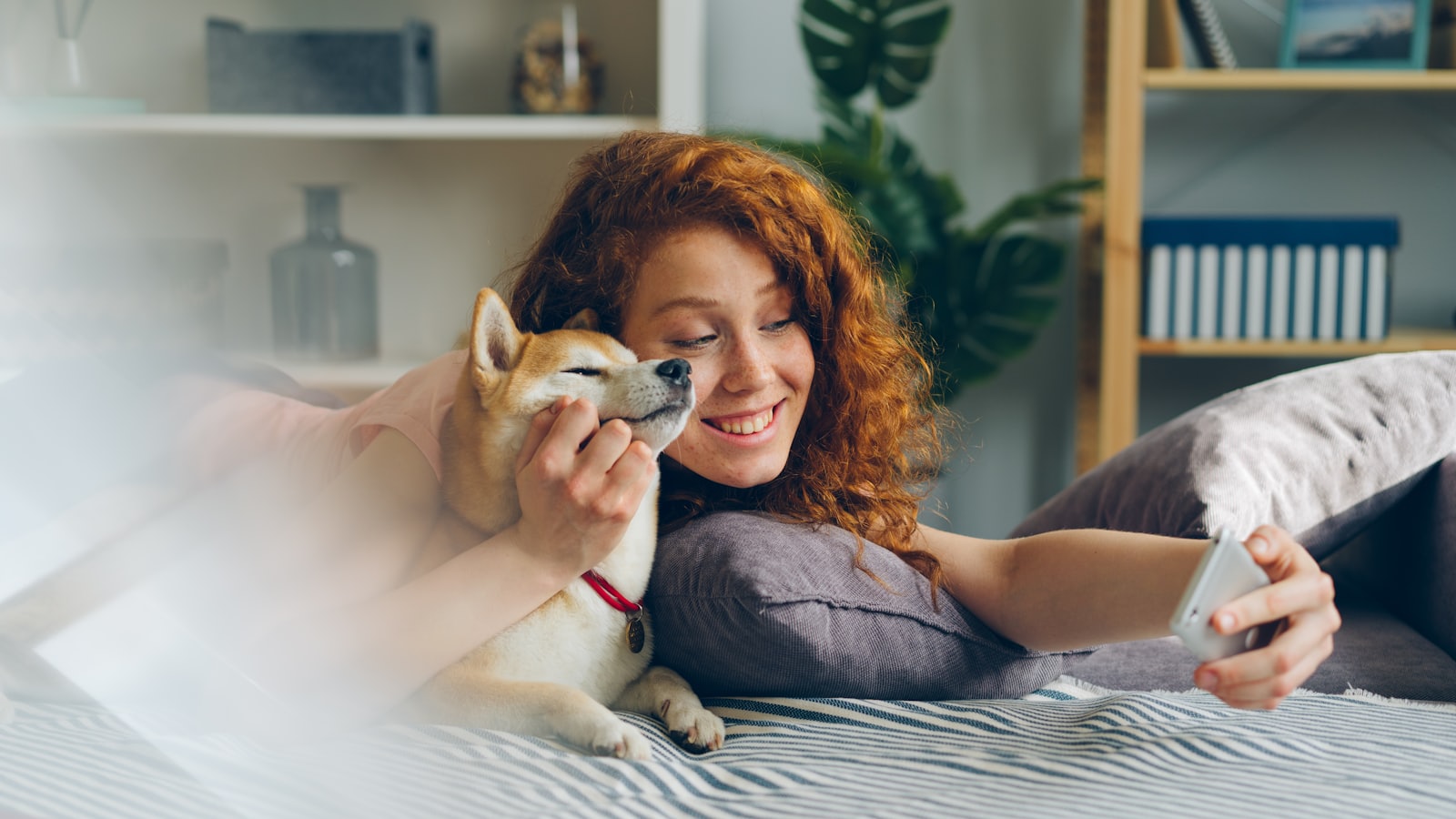
It's 9 p.m., your dog is doing something weird-but-maybe-fine, and the choice used to be binary: emergency clinic or anxious Googling until morning. Now there's a middle lane — a video call, a triage chat, photos sent to your clinic — and used well, it's one of the best additions to dog care in years. Used blindly, it's a way to feel treated while nothing gets examined. The difference comes down to knowing one unglamorous concept: the VCPR — the rule that decides what a remote vet is actually allowed to do for your dog.
Telehealth is a brilliant front door. It's a terrible substitute for hands on your actual dog.
📋 Quick Read
- Telehealth shines at triage and follow-up: "is this urgent?", recheck visits, behavior consults, post-op questions — the visits where eyes and history matter more than hands.
- The legal line is the VCPR (veterinarian-client-patient relationship): in most states, diagnosing and prescribing requires a vet who has physically examined your dog — a stranger on an app usually can't do either.
- The killer combo is telehealth plus your own clinic plus a good home log: your vet, who knows your dog, reading your data, deciding remotely what needs a room.
The visits that never needed a waiting room
Telehealth's sweet spots: triage ("vet now, vet tomorrow, or watch it?" — often the single most valuable question in dog ownership), follow-ups on a condition your vet has already examined, post-surgery incision checks by camera, behavior consultations (which are mostly conversation anyway), nutrition and medication questions, and mobility check-ins where video of your dog moving at home beats a stressed shuffle across an exam room. Ask your own clinic what they offer first — many have quietly added video visits, photo portals, or after-hours triage lines, and your dog's chart makes their remote advice ten times more useful than a stranger's.
The line remote care can't cross — and why that protects you
In most U.S. states, a vet needs an established VCPR — generally including a physical exam of your dog — before diagnosing or prescribing, and the AVMA's guidance backs that structure. So be appropriately suspicious of any app promising diagnoses and prescriptions for a dog no vet has ever touched: at best it's operating in a legal gray zone, at worst it's guessing at a diagnosis that needed hands and labs. The rule isn't bureaucratic fussiness — vague symptoms in dogs (lethargy, vomiting, limping) map to dozens of conditions distinguishable only by examination, and a confident remote misdiagnosis costs exactly the time you were trying to save. Direct-to-consumer telehealth still has honest uses — general advice, triage, second opinions on care plans — as long as you know which lane you're in.
Make yourself the best remote patient in the practice
Remote care runs on owner-supplied data, which means the quality of the visit is set before it starts. Keep the journal current (appetite, water, stool, energy — the boring baselines), photograph anything visual the day you notice it, video anything that moves, and have weight, meds, and diet answerable without rummaging. In the visit: good light, a helper to handle the dog while you handle the camera, and your one-sentence timeline ready ("started Tuesday, worse after walks, eating fine"). Owners like this get more from ten remote minutes than unprepared owners get from thirty — and when the answer is "bring them in," the log rides along and makes the in-person visit sharper too.
- My dog is alert, breathing normally, gums pink
- The question is 'is this urgent?' — not 'treat this now'
- It's visual or behavioral — showable on camera
- My own vet has examined this dog before
- I have logs, photos, or video ready to share
- No red flags: no bloat, collapse, toxin, or labored breathing
🗓 This Week's Plan
- Days 1–2: Run the Front-Door Drill — learn and save your clinic's remote options and after-hours protocol.
- Days 3–4: Start (or refresh) the baseline journal: appetite, energy, stool, water. Remote care runs on it.
- Days 5–7: Do a practice capture: thirty seconds of your dog walking and a clear gum-color photo, filed away as reference footage.
Build your telehealth kit in Pak Social
Save your clinic's remote options, start the baseline log, film the practice clip. The next 9 p.m. weirdness gets a middle lane — and you'll use it like a pro.
Get Pak Social — Free ➡️ Up nextWhen Tech Helps vs. When to Call the Vet5 min read›