Wearable Sleep and Stress Signals
Your dog sleeps 12+ hours a day — and that data is a health channel most owners never read. What collar sensors can really tell you about sleep, restlessness, and stress.
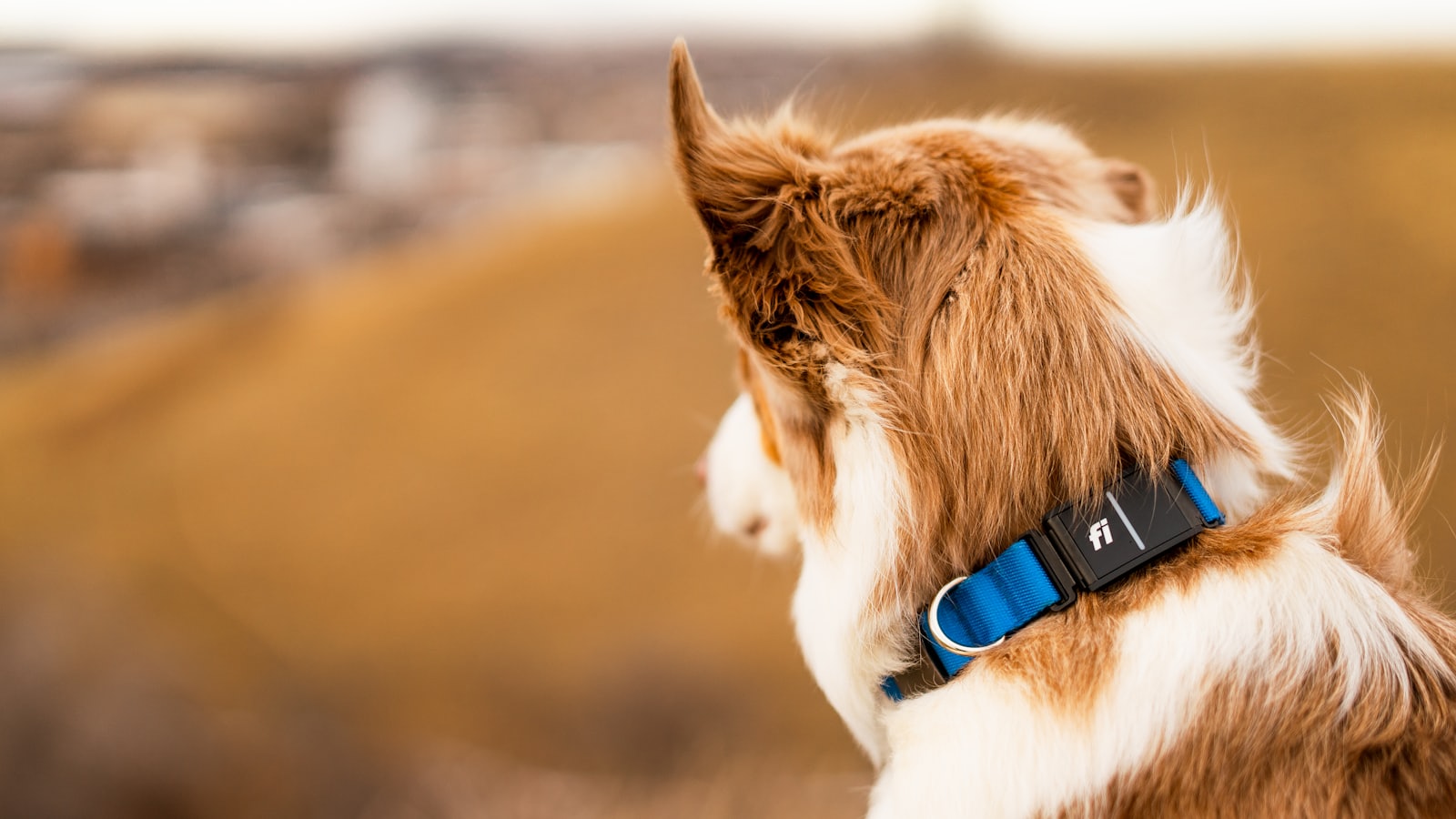
You know your dog's daytime self completely: the appetite, the walk enthusiasm, the greeting at the door. But a third to half of your dog's life happens while you're asleep or away — and that's exactly where the earliest signals of pain, anxiety, and illness tend to show first. This is the one job where wearables genuinely shine: a collar sensor never sleeps through the 3 a.m. pacing. The skill is knowing what the sleep and stress metrics actually measure — and what they only guess at.
You can't watch your dog sleep. The collar can — and disturbed nights are often the first symptom anything shows.
📋 Quick Read
- Night restlessness is a leading indicator: pain (especially arthritis), itching, anxiety, and cognitive changes in seniors all disturb sleep before they're obvious by day.
- What's measured vs. inferred: movement, rest bouts, scratching, and shaking are genuinely sensor-readable; 'stress scores' and 'sleep quality grades' are proprietary math on top — useful prompts, not diagnoses.
- The baseline is the product: two-plus weeks of your dog's normal nights makes deviations visible — and a persistent change in sleep pattern is a vet conversation with data attached.
What the night data can really tell you
The honest capabilities: total rest time and its fragmentation (how many times sleep broke into wakefulness), movement intensity during rest windows, scratching and head-shaking events (validated in research settings and increasingly good in consumer devices), and day-over-day trends in all of it. The high-value patterns: rising night fragmentation in a senior (arthritis pain and canine cognitive changes both present this way), scratch-event trends that precede visible skin drama by weeks (the allergy lesson's itch-log, automated), post-surgery rest tracking during recovery, and before-and-after evidence for interventions — did the new joint supplement, the anxiety protocol, or the pain med actually change the nights? That last one is quietly the best use: wearables turn 'I think he's better' into a chart.
Stress signals: useful flashlight, unreliable judge
Some wearables now market stress detection — usually heart-rate variability, movement, and vocalization patterns run through proprietary models. The measurable inputs are real; the emotional labels are inference, and context is everything the collar lacks: elevated arousal looks identical whether the trigger is a thunderstorm, a squirrel, or a delivery truck. Use stress alerts as prompts to investigate ('what happened at 2 p.m.?' — check the camera, ask the sitter), never as conclusions. And remember the ranking: your own body-language literacy — the stress signals and calming signals from the earlier lessons — remains the best stress-detection system available, because it comes with context built in. The collar's advantage is purely coverage: it's watching when you can't.
From data to the vet's exam room
The workflow that makes the subscription worth it: establish the baseline (two-plus weeks, device fitted snugly, before you need it), watch trends weekly rather than mornings-after, and act on persistence — any sleep or scratch trend that holds for two weeks, or any sharp change with other signs (appetite, energy, appetite for walks), goes to the vet with the chart. Bring the actual data, not the app's summary grade: 'rest fragmentation up 40% over three weeks, scratching events doubled' gives your vet a thread to pull, and pairs perfectly with the exam and history that do the diagnosing. This is the smart-collar lesson's baseline superpower pointed at the hours that matter most — and for seniors especially, it's the closest thing to a nightly check-in you can buy.
🗓 This Week's Plan
- Days 1–2: Fit and configure the wearable (snug enough to measure), or set up the manual nightly note.
- Days 3–7: Let the baseline accumulate untouched; do one cross-validation evening watching your dog settle.
- Day 7: File week one in the journal; note the settle-time, wake events, and any scratch trend.
Start the night baseline in Pak Social
Fourteen nights of data — sensor or notebook. The hours you can't watch are where trouble whispers first; this is how you start listening.
Get Pak Social — Free ➡️ Up nextSmart Scales and Body-Condition Tracking5 min read›