Apartment Potty Training
Six floors, one elevator, and a puppy bladder rated in minutes — apartment house-training is the same system with harder logistics. Here's the city playbook.
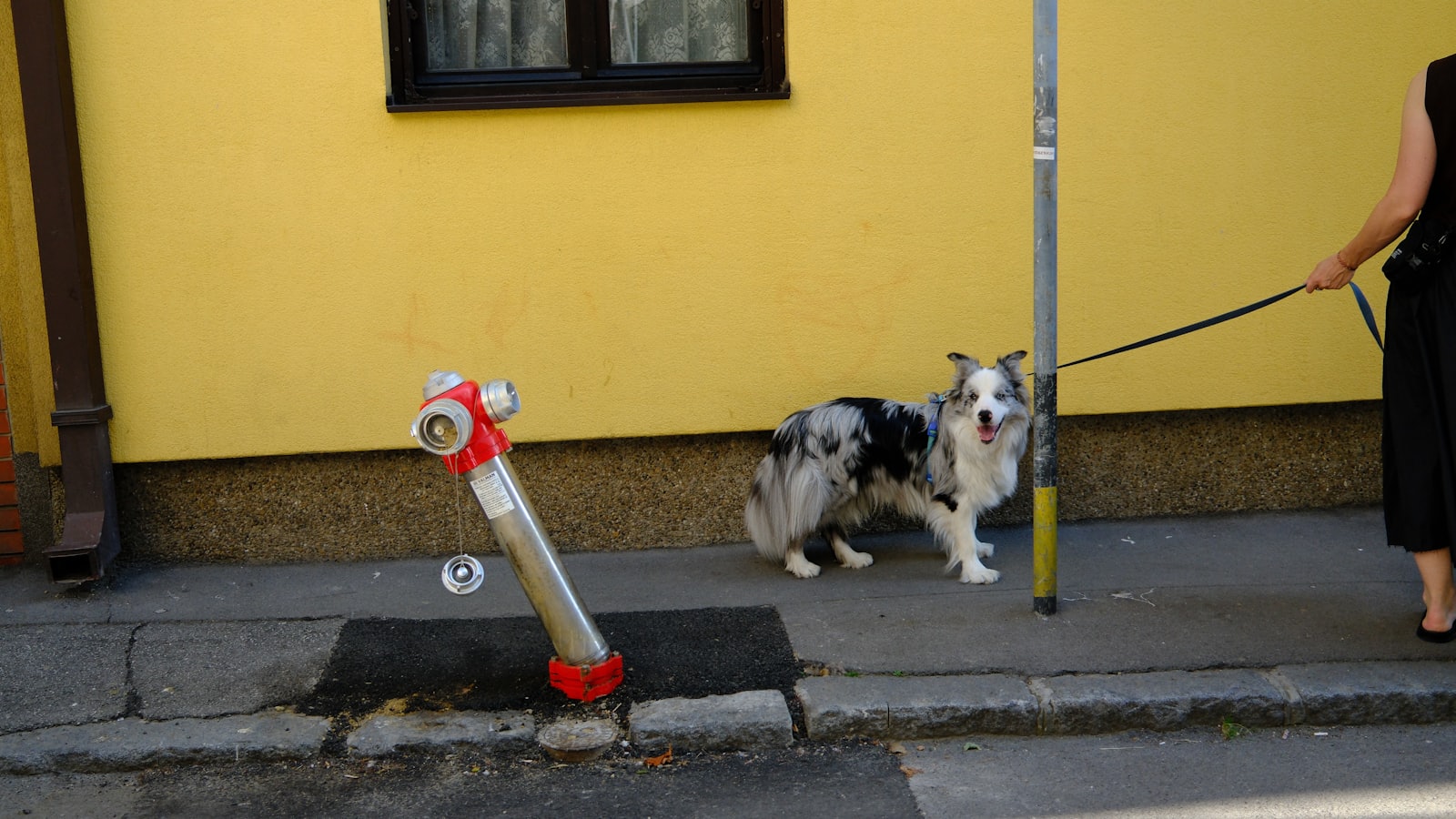
The suburban potty plan assumes a door to a yard. You have a hallway, an elevator with a chatty neighbor, and a street that's a four-minute expedition away — against a young bladder that gives you ninety seconds of warning. Apartment house-training isn't a different method; it's the same method with a logistics problem bolted on — and the solutions (the transit protocol, the honest pad decision, the balcony question) are all about closing the gap between 'needs to go' and 'somewhere legal to go.'
In an apartment, house-training is a race between the bladder and the elevator — and you win it with logistics, not luck.
📋 Quick Read
- The core system doesn't change: schedule by the potty clock, supervise or contain, pay the right spot within two seconds — the apartment just stretches the distance to that spot.
- The transit protocol closes the gap: carry the young puppy through the building (an accident in the elevator teaches nothing good), leash on before the door, and pre-position everything for speed.
- The pad decision is a real fork: pads (or a balcony turf setup) solve the physics for young puppies and high floors — at the documented cost of teaching indoor elimination that some dogs must later unlearn. Choose deliberately, either way.
The transit protocol (door to street without incident)
Pre-position for speed: leash, treats, and keys staged at the door (the walks lesson's staging, now load-bearing), shoes you can jump into, and the potty clock running with a city buffer — start the expedition five minutes BEFORE the schedule says the bladder's due. Young puppy: carry through the building — arms, a sling, or a carrier for the big-breed babies — because carried bladders wait and hallway accidents write the wrong address in a place you can't own. Older puppy walking the route: leash on inside the apartment, brisk businesslike transit (no lobby socializing mid-mission — the chatty neighbor gets thirty seconds AFTER success), and the same door-elevator-exit route every time, because the route itself becomes part of the ritual the bladder learns to wait through. And engineer the elevator contingency: know the stairs for the two-floor sprint, and keep an enzymatic-and-bags pouch by the door for the transits that lose the race — boring cleanup, zero drama, schedule tightened tomorrow.

The pad fork (choose once, deliberately)
Path A — straight to street: the gold standard when your schedule, floor, and knees allow it: every elimination happens at the outdoor address from day one, the system stays unambiguous, and there's no later transition. It costs more trips (the young-puppy clock is relentless) and demands the transit protocol run flawlessly. Path B — the indoor station: pads or (better) a turf patch in one fixed low-traffic spot, treated as a real address — taken there on the schedule, paid there like outdoors, never moved around. It solves impossible logistics (high floors, mobility limits, brutal winters, the pre-dawn workday) and buys young bladders a bridge; it costs the mixed message, and the eventual weaning (station migrated toward the door, then outside, then retired — over weeks, with the log watching) is genuine work. The failure mode is choosing neither deliberately: pads scattered reactively wherever accidents happened, which teaches 'floors are negotiable' — the one lesson no path wants. Pick your fork by your real constraints, write the exit plan if it's B, and run the choice with full commitment.
The street address and the city extras
Choose the outdoor spot like the habit it becomes: close (every meter counts at 6 a.m.), consistent (same patch — the address is half the cue), legal-and-considerate (curb rules, not the neighbor's planter), and — for the pre-vaccination weeks — off the high-dog-traffic zones per the window lesson's rules (a quieter side street beats the popular tree). Then the city extras: weather contingencies rehearsed before needed (the rain gear staged, the winter version of the protocol — because 'it's storming' is not an excuse the bladder accepts), the reinforcement rate kept premium longer than suburban peers (city elimination competes with sirens, dogs, and pizza smells — pay accordingly), and the night system (the nighttime lesson) run with the transit buffer built in. The finish line is identical to the suburban one — a dog who holds for the address and signals the need — it just arrives via elevator, and the log will show it arriving on the same schedule.
🗓 This Week's Plan
- Days 1–2: Stage the door kit, pick the street address (and the fork — A or B, deliberately), write the exit plan if B.
- Days 3–5: Run the transit protocol with the five-minute buffer; log wins and losses by location.
- Days 6–7: Run the Latency Audit and fix the biggest gap; rehearse the weather contingency before you need it.
Start the Latency Audit in Pak Social
Stage the door, pick the address, buffer the clock. Six floors is just logistics — and logistics is a solved problem.
Get Pak Social — Free ➡️ Up nextMarking vs. Accidents: What's Going On5 min read›