Crate Training as a Safe Haven
Done right, the crate isn't where your dog gets put. It's where your dog goes — by choice, with the door open, because it's the best room in the house.
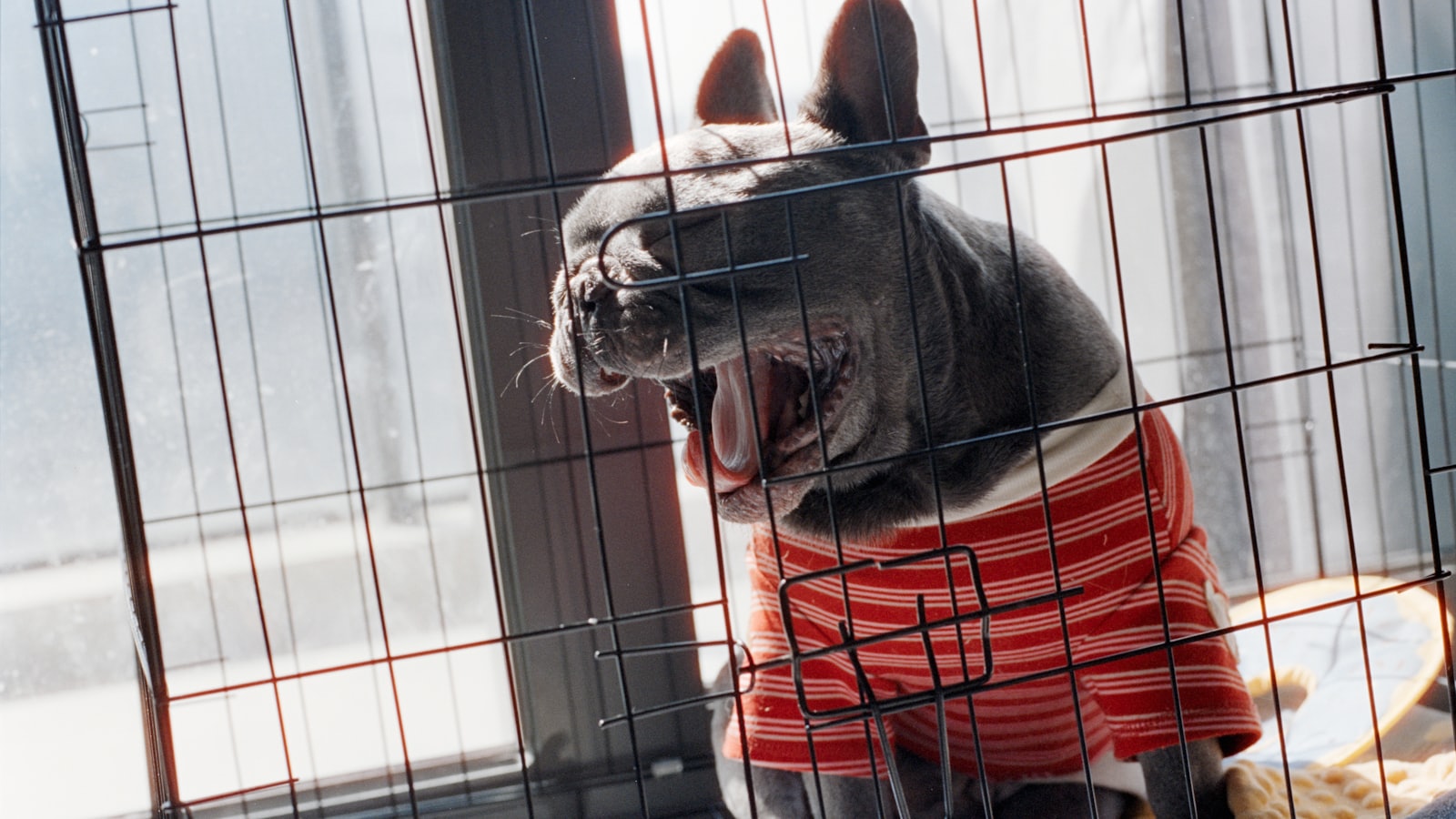
Somewhere right now, a dog owner is kneeling on the kitchen floor, pushing a bewildered puppy toward a wire box while both of them lose faith in the process. Rewind the scene. Crate training that works never involves pushing — it's a con job in the best sense: you make the crate so reliably wonderful that your dog starts putting themselves to bed. The difference between a cage and a den isn't the crate. It's the story your dog believes about it.
A crate isn't a cage. Done right, it's the one room in the house that's entirely theirs.
📋 Quick Read
- Dogs are den animals — a right-sized crate (stand, turn, lie down; not much more) taps a real instinct for enclosed, secure rest spots.
- The build is meals-first: feed every meal in the crate with the door open before the door ever closes. Comfort comes from hundreds of good minutes, not a lucky first night.
- Two hard rules: the crate is never punishment, and crying doesn't open the door — but a puppy crying may genuinely need a potty break first.
Sell it before you shut it
Set the crate up in the social heart of the house, door pinned open, great bedding in, and let it rain treats: toss a few in whenever you pass, hide a surprise chew in the back, feed every single meal inside. No door closing yet — this phase is pure real-estate marketing. Most dogs are wandering in on their own within days, and that voluntary step across the threshold is the entire foundation. A dog who chose the crate a hundred times will forgive the door; a dog who never chose it won't.
Door games and the duration climb
When your dog eats in the crate with total ease, start closing the door during meals and opening it as the bowl empties. Then: door closed one extra minute with a frozen stuffed toy, you sitting right there. Then five, while you putter nearby. Then you leave the room and return before the toy runs out. The frozen stuffed-chew trick is the workhorse of this phase — a dog excavating peanut butter for fifteen minutes is a dog logging fifteen relaxed crate-minutes, and the crate keeps earning while you're not even training.
Nights: crate in or near the bedroom at first — puppies take real comfort from hearing you, and you'll hear the genuine need-to-potty cry (which gets a boring, businesslike trip outside, then straight back in). The whine-for-attention cry, by contrast, gets nothing — one hard rule, kindly enforced: doors open for quiet, never for noise.
Size, limits, and the long game
Size the crate to the dog: enough to stand, turn, and stretch out, not enough to sleep at one end and pee at the other (big-breed puppies do best in an adult crate with a divider that grows with them). Respect biological limits — a young puppy can't hold it for a workday, and a crate can't make them; as a rough rule, hours-of-hold roughly matches months-of-age, capped well short of a full day. The finished product is worth every week: a dog with a portable safe room for travel, vet stays, houseguests, fireworks — and a bedroom they retire to on their own at 9 p.m.
🗓 This Week's Plan
- Days 1–2: Crate staged in the main room, door pinned open, treats appearing in it "randomly" all day. First meals inside.
- Days 3–4: All meals in the crate; introduce the frozen stuffed chew; first brief door-closes while you sit beside it.
- Days 5–7: Build to five closed-door minutes with you nearby, then the Open-Door Test. Log every calm session.
Start the Crate Training plan in Pak Social
Stage the crate, feed tonight's dinner inside it, and let the marketing begin. In a few weeks your dog will have the best room in the house — and know it.
Get Pak Social — Free ➡️ Up nextPotty Training Without Setbacks4 min read›