Teaching Name Recognition: The Foundation of All Training
Before sit, before stay, before anything — your dog has to know that their name means "eyes on you, something good is coming."
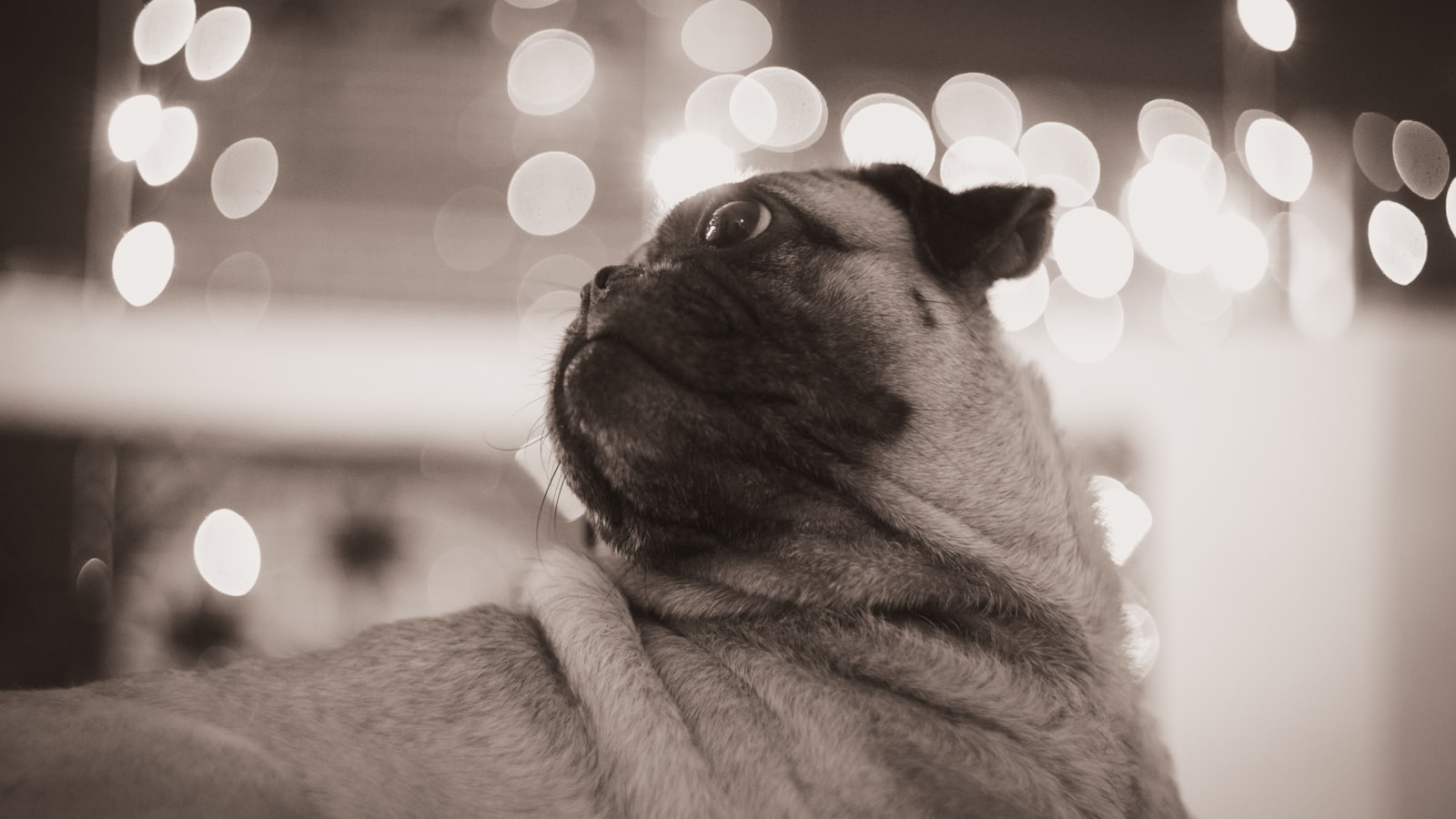
You call your dog's name and get… nothing. Not defiance — just a dog thoroughly invested in a smell near the fence. Here's the thing most owners never learn: dogs don't come pre-installed knowing their name matters. Right now, "Luna" is background noise, one more sound in a noisy world. The Name Game changes that — it turns your dog's name into the most reliable attention switch you own, and every other command you'll ever teach runs through it.
Your dog's name isn't a command. It's the doorbell for every command that follows.
📋 Quick Read
- A name isn't obedience — it's an attention cue. The goal is a reflexive head-turn toward you, not a behavior. That reflex is the opening move of every future cue.
- Names lose power through overuse and misuse: repeated unanswered ("Luna. Luna! LUNA!") or attached to unpleasant things, the name learns to mean "ignorable" or "uh-oh."
- Ten treats a day for a week builds it: say the name once, mark the head-turn, pay. Easy contexts first, harder ones only after the reflex is automatic.
The Name Game, step by step
Start in a quiet room with ten small, high-value treats. Say your dog's name once, in a normal happy voice. The instant they look toward you, mark it ("yes!") and deliver the treat. If they don't look, don't repeat the name — make a small kissy noise, pay the look that follows, and use an easier room next round. Ten reps, then done; this is a two-minute game. Within days you'll see the head-whip: name in, eyes on you, tail already asking what's next. That whip is the whole foundation.
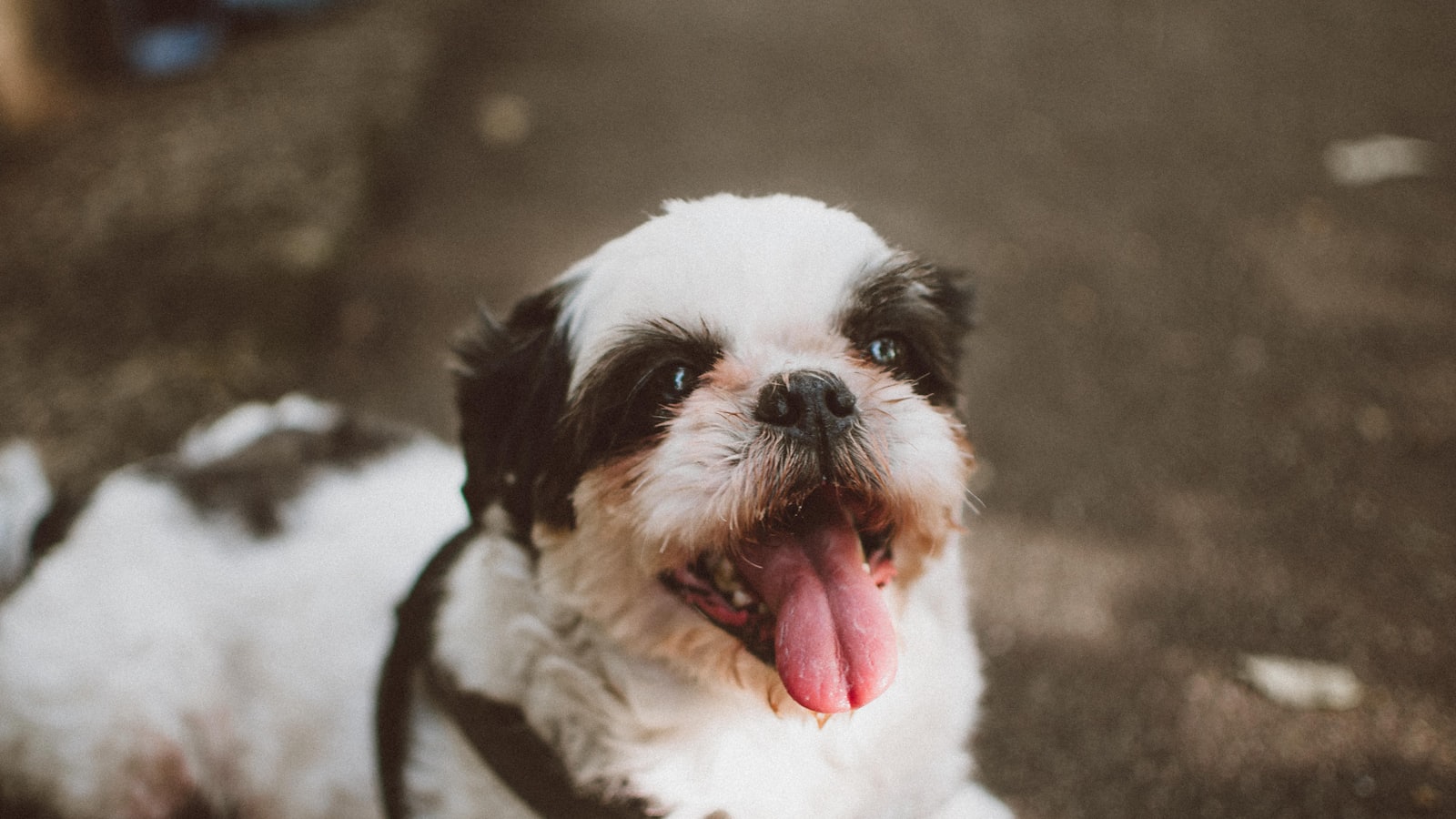
Protect the name like an asset
Two habits quietly bankrupt a name. First: narrating with it ("Luna, no. Luna, get down. Luna, what do you have?") until it's wallpaper. Second: using it as a warning siren — if the name mostly precedes things your dog dislikes, the head-turn gets slower every week. House rules: the name means good things are on deck, corrections happen without it, and anything unpleasant (bath, nail trim, vet) gets a neutral approach rather than a cheerful name-call ambush.
Level up: from kitchen to park
Once the head-whip is instant in quiet rooms, raise the stakes gradually: name during mild distraction (family member walking by), in the yard, on a calm street, then — the graduate exam — mid-sniff at the park. Each new context starts back at generous pay rates. Most dogs plateau not because they're stubborn but because their owner jumped from the kitchen to the dog park in one leap; if the whip disappears, you've skipped rungs. The finished product is a dog whose name works exactly once, anywhere — which is the doorway every recall, stay, and leave-it walks through.
- Quiet room, no distractions
- Living room with family moving around
- Backyard, mild smells
- On-leash on a calm street
- Front door with a visitor arriving
- Mid-sniff at the park
🗓 This Week's Plan
- Days 1–2: Ten-treat Name Game daily in the quietest room. Mark and pay every head-turn.
- Days 3–4: Add one mild distraction context; keep paying generously. Audit the house for name-narration and stop it.
- Days 5–7: Run the 8-for-10 Test in two contexts and log the scores. Anything under 8/10 stays on the easy list another week.
Start the Name Game plan in Pak Social
Ten treats, two minutes, today. In a week, one calm word will turn your dog's head anywhere — and every lesson after this one gets easier.
Get Pak Social — Free ➡️ Up nextTeaching Handling: Building Trust One Touch at a Time4 min read›