Teaching Handling: Building Trust One Touch at a Time
Vet exams, nail trims, ear checks, burr removal — your dog's whole life goes easier if human hands never feel like an ambush.
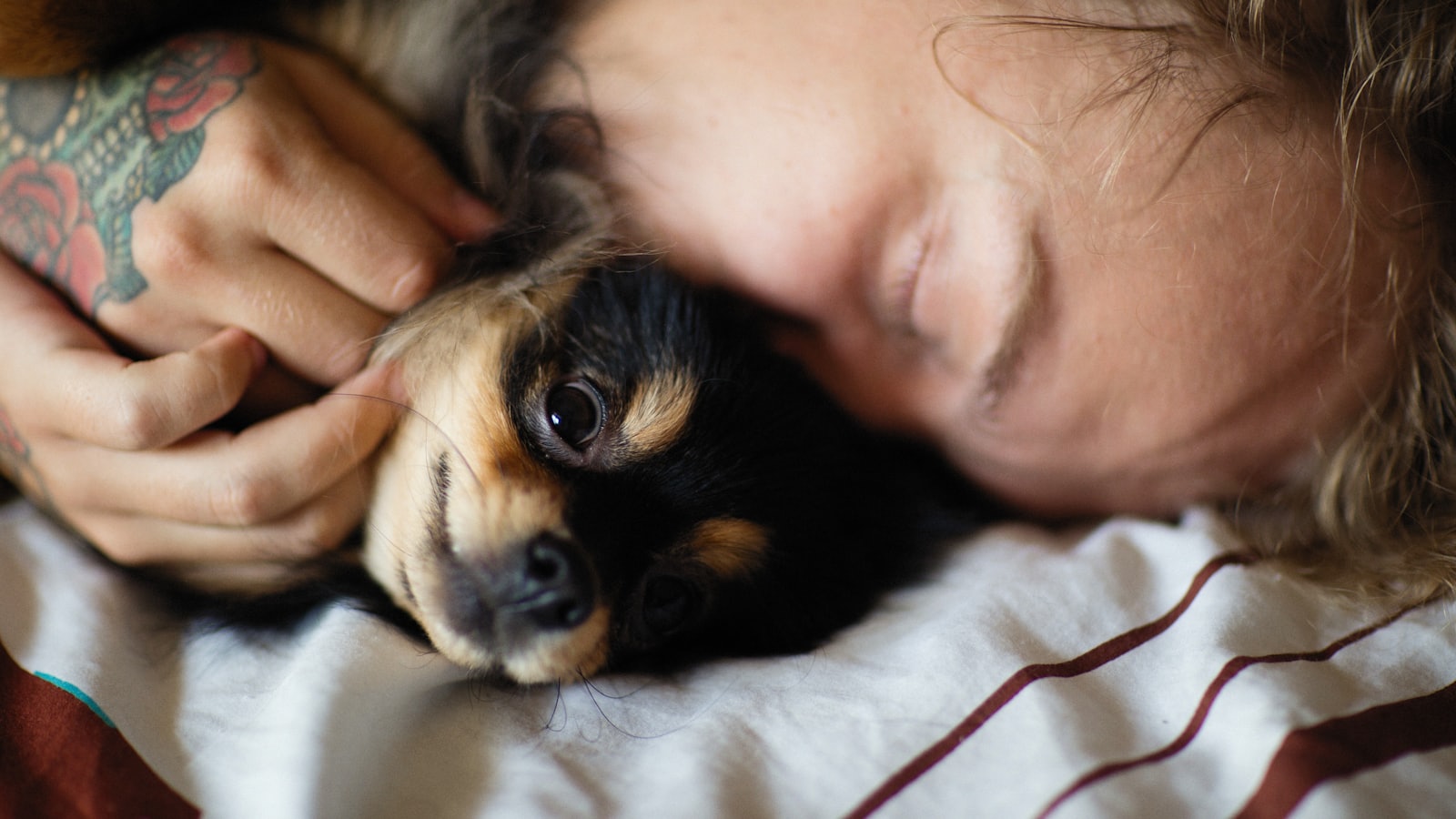
The nail clippers come out and your dog evaporates. At the vet, it takes two techs to look in one ear. Nobody plans for this — it accumulates, one surprise grab at a time, until touch means trouble. Handling training runs the film in reverse: paws, ears, mouth, tail, collar — each one paired with something wonderful, each one your dog's choice to stay for — until being examined is just another boring thing that pays well.
Handling isn't grooming prep. It's teaching your dog that human hands never surprise them.
📋 Quick Read
- Handling tolerance isn't a personality trait — it's trained, one body part at a time, with touch that starts featherlight and always predicts food.
- The modern standard is cooperative care: the dog opts in, and stopping when they say stop is precisely what makes them stop saying it.
- Collar grabs deserve special drilling: a dog who loves collar-touches is a dog who can be caught in an emergency without a rodeo.
The basic loop: touch, treat, release
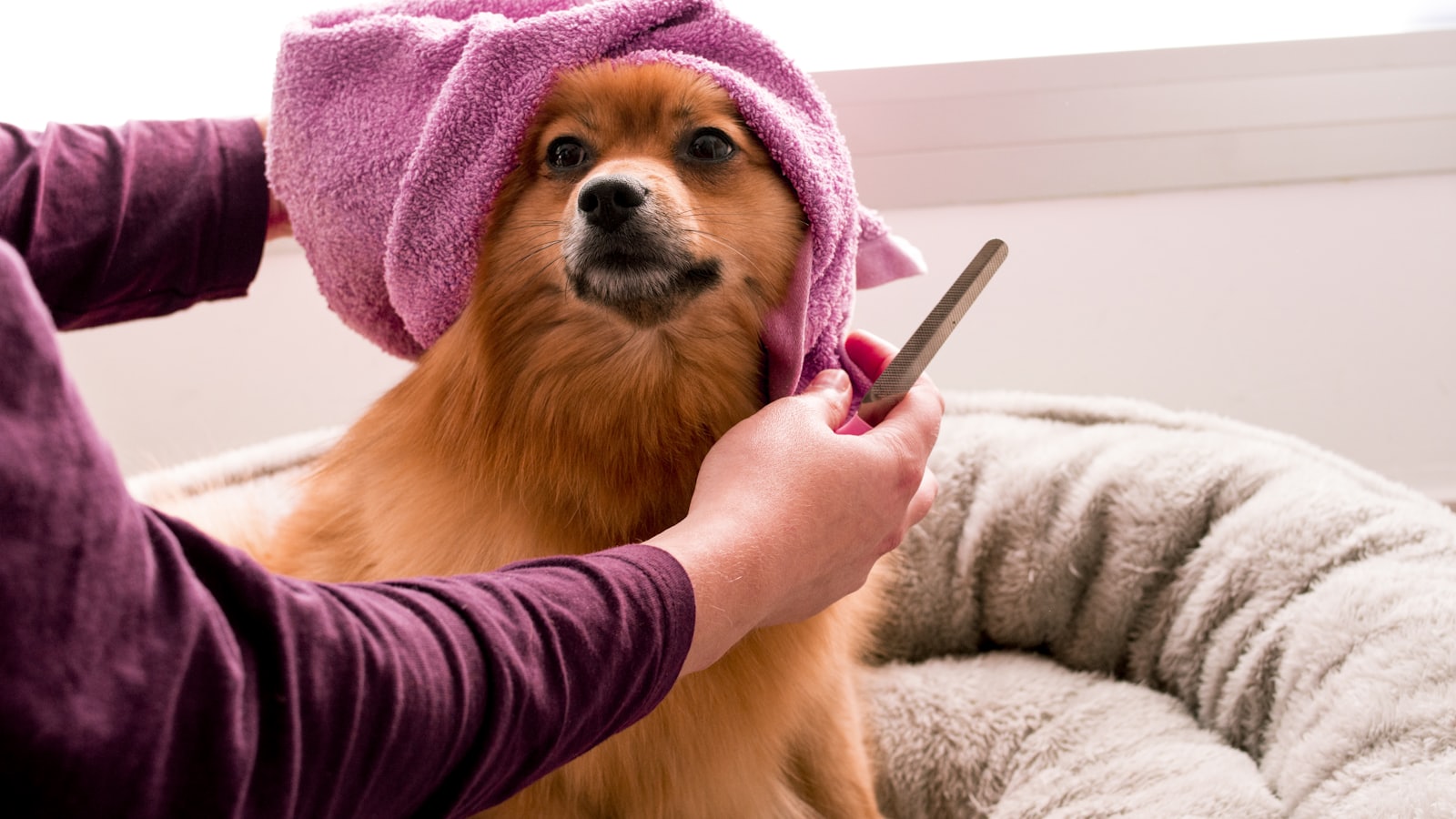
Pick one body part — say, a front paw. Touch it lightly for one second, feed a great treat, remove your hand, done. Ten reps a session, sessions under three minutes. Only when your dog is visibly delighted by paw-touches do you level up: hold two seconds, then gently squeeze a toe, then introduce the clippers just resting nearby (not cutting — appearing, then paying). The ears, the mouth flip, the tail lift, the hug-hold your vet uses: same ladder, one rung at a time. You're building a body-part map where every region says "handled = paid."
The consent switch (this is the part that feels backwards)
Teach a start button: a chin rest on your palm or your dog stationed on a mat means "I'm ready." The rule that makes it work is the exit clause — if the chin lifts or the dog steps off the mat, everything stops, no penalty, and you resume when they opt back in. Owners worry this teaches dogs to bail constantly. In practice it's the opposite: dogs who trust the stop signal use it briefly and less over time, because they no longer need distance to feel safe. A dog with a working brake pedal will ride along much further.
Collar grabs and the emergency dividend
Drill this one deliberately: touch the collar, feed. Hold the collar, feed. Gentle pull, feed. Grab it a little faster, jackpot. A dog with hundreds of happy collar-grab reps can be caught at an open gate, taken by a stranger in an emergency, or hauled back from a hazard without adding panic to the crisis. It's two minutes a week and it's some of the highest-value insurance in dog ownership — right up there with a solid recall, and it backstops the recall too.
- Front paws held, toes squeezed
- Back paws held
- Ears looked into and touched
- Mouth flipped open for a look
- Collar grabbed, gently pulled
- Body hugged / vet-style hold
- Brush or clippers present and touching
🗓 This Week's Plan
- Days 1–2: Pick the two easiest body parts; ten touch-treat reps each, daily. Stay below the flinch line.
- Days 3–4: Add collar-grab reps and introduce the chin-rest start button.
- Days 5–7: Add one harder area (ears or mouth) and finish with the 60-second Vet Rehearsal on video.
Start the Handling plan in Pak Social
One paw, ten treats, tonight. Every touch you condition now is a calmer nail trim, an easier vet exam, and a dog who trusts hands for life.
Get Pak Social — Free ➡️ Up nextCrate Training as a Safe Haven4 min read›