Digging: Why They Do It and What Helps
The moonscape where your lawn used to be has an author with reasons — five of them, actually. Diagnose the dig, and the fix is usually a designated place to do it better.
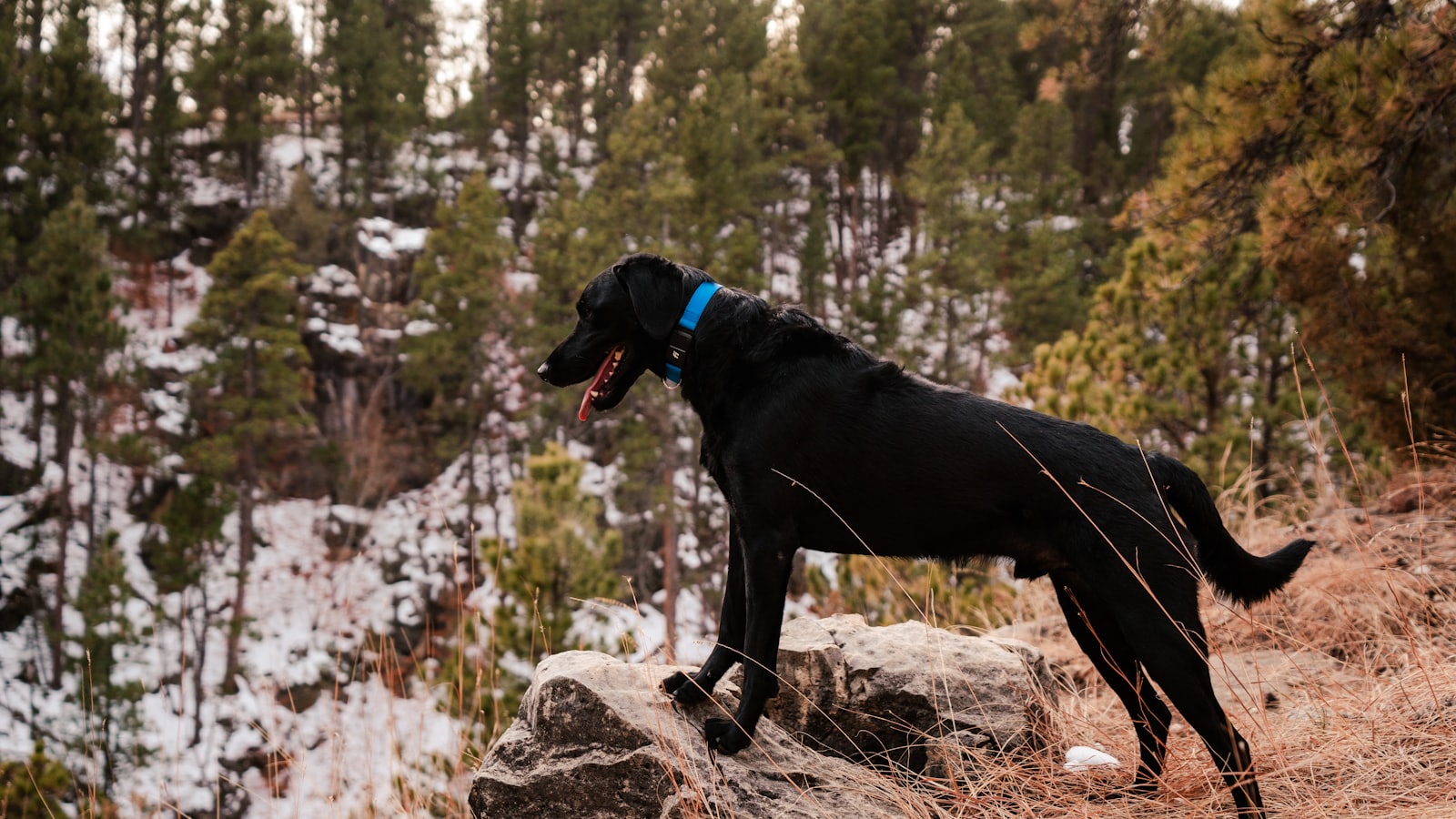
The yard looks shelled: craters by the fence, trenches under the hydrangea, one mysterious pit in the lawn's exact center. Digging triggers the same futile impulse as every instinct-driven behavior — the scolding, the filled holes, the repeat performance by Thursday. Here's the terrier-owner's hard-won wisdom: digging is self-employment for specific reasons — prey, comfort, boredom, escape, or breed heritage — and the winning fix is almost never 'stop' but 'HERE instead.'
You can't fire a dog from digging — some were literally bred for it. You can only transfer them to a better site.
📋 Quick Read
- Five dig accounts: prey (targeted holes where rodents tunnel), comfort (shallow beds in cool shade — summer digging is often thermoregulation), boredom (random excavation across empty hours), escape (fence-line trenches — see the containment lesson), and heritage (terriers and hounds gonna terrier and hound).
- The universal fix is the legal dig pit: a designated sandbox seeded with buried treasures — instinct redirected beats instinct opposed, every time.
- The account matters at the edges: escape digging is a containment-and-welfare flag, comfort digging wants shade and cooling options, prey digging ends when the prey does — the pit alone doesn't fix those.
Read the holes (the yard is a ledger)
The excavation pattern names the account: targeted, sniff-driven holes along runs and at roots say prey (your yard has tenants — voles, moles, chipmunks — and the digging is a hunting license being exercised); shallow, body-sized scrapes in shade or against foundations say comfort (check the timing: summer afternoons = cooling; the dog lies IN these); scattered, recreational, no-pattern pits across long alone-hours say boredom (the classic under-employment signature); fence-line trenches say escape (drop everything — the containment lesson NOW, plus the honest welfare audit of why leaving beats staying); and enthusiastic, joyful, dirt-flying-everywhere excavation from a terrier, dachshund, or husky says heritage — the breed's job application, still on file. Bone-burial is its own mini-account (caching — normal, low-volume, mostly harmless). Most yards run two accounts at once; read before you fix.
Build the legal pit (the universal transfer)
The dig pit is the chewing lesson's 'legal instrument' at yard scale: frame a zone (a kiddie sandbox, a 4x4 timber frame, or just a designated corner) filled with sand or loose soil — diggable, drainable, distinguishable from the lawn — and make it the best real estate in the yard: seed it with buried treasures (chews, toys, the occasional jackpot bone), bury fresh ones while your dog watches at first (the treasure-hunt tutorial), and pay every legal dig with enthusiasm. Redirect the crimes: interrupt lawn-digging neutrally, escort to the pit, help start the dig, celebrate the transfer — the redirect-and-pay machinery, hundreds of reps. Deterrents support at the margins (chicken wire under mulch in the flowerbeds, rocks at favorite illegal sites — making the wrong spots unrewarding while the right one pays double), and for heritage diggers, consider going pro: earthdog trials and barn hunt (the sports lessons' cousins) are entire dog sports built on exactly this drive.
The upstream fixes (when the pit isn't enough)
Boredom accounts: the pit helps, but the employment stack fixes — the enrichment lesson's five channels, the high-energy lesson's job audit, and honest alone-hours math (a yard is not a babysitter — the containment lesson's same warning; unsupervised yard hours are where boredom digging gets its shift schedule). Comfort accounts: provide the better version — real shade, a cooling mat, fresh water, maybe an elevated bed (the heat lesson's kit) — and the trenching retires because the need is met at a better address. Escape accounts: the containment lesson's hardware (buried aprons, L-footers) plus the motive investigation — intact dogs wander (the vet conversation), frightened dogs flee (what's scary out there?), and bored dogs tour (employment again). Prey accounts: humane rodent management ends the hunting season; the digging follows the tenants out. And breed heritage: it never retires — the pit is a permanent amenity, the sports are an option, and the terrier owner's serenity prayer is knowing the difference between a behavior problem and a job description.
🗓 This Week's Plan
- Days 1–2: Map the holes — location, timing, shape — and name the account(s).
- Days 3–4: Build and seed the pit; run the first treasure tutorials; harden any illegal favorites.
- Days 5–7: Redirect-and-pay every observed dig; deploy the upstream fix your account named (employment, shade, containment, or pest control).
Open the legal dig account in Pak Social
One sandbox, five buried treasures, ten days of cheerful transfers. The moonscape had an author with reasons — and now they have a better office.
Get Pak Social — Free ➡️ Up nextEnrichment for High-Energy Dogs4 min read›