Ear Infections: Why They Recur and How to Stop Them
If your dog's ears keep flaring up, the real problem usually isn't the ear — it's what's driving it.
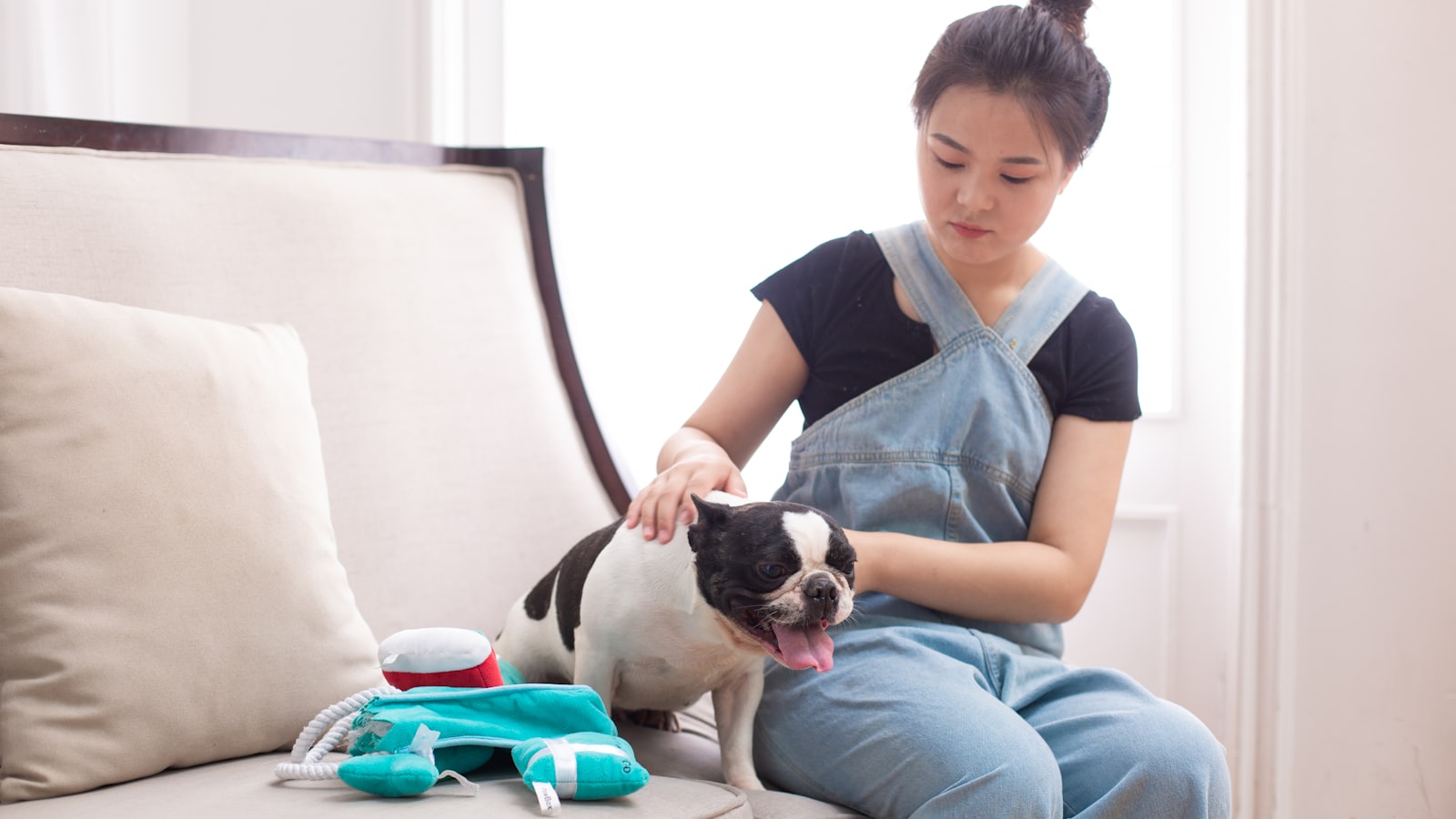
You cleared up the ear infection, breathed a sigh of relief, and a few weeks later the head-shaking is back. Recurring ear infections are one of the most frustrating loops in dog ownership — and the reason they keep coming back is almost always that the ear is a symptom, not the source. Get at what's actually driving them, and you can finally break the cycle instead of treating the same ear four times a year.
A dog's ear that keeps flaring up isn't the problem — it's the smoke. Find the fire.
📋 Quick Read
- Recurring ear infections are frequently the first or only sign of an allergy — allergies are involved in a large share of chronic cases.
- The dog ear's L-shape traps moisture and debris, so water after baths and swims, plus floppy or hairy ears, set the stage for yeast and bacteria.
- Good routine care prevents most flare-ups; ears that keep coming back despite it are telling you to look for an underlying cause with your vet.
Why the same ear keeps flaring
If infections keep returning to one or both ears, the ear itself usually isn't the root cause — something keeps inflaming and opening the door. In many dogs, recurrent ear infections are the first or only visible sign of a food or environmental allergy. Anatomy plays a role too: the canal's L-shape holds fluid, and floppy or hairy ears trap warmth and moisture. Less commonly, foreign material (like a grass seed) or a hormonal issue such as hypothyroidism is behind it.
Prevention that removes the opportunity
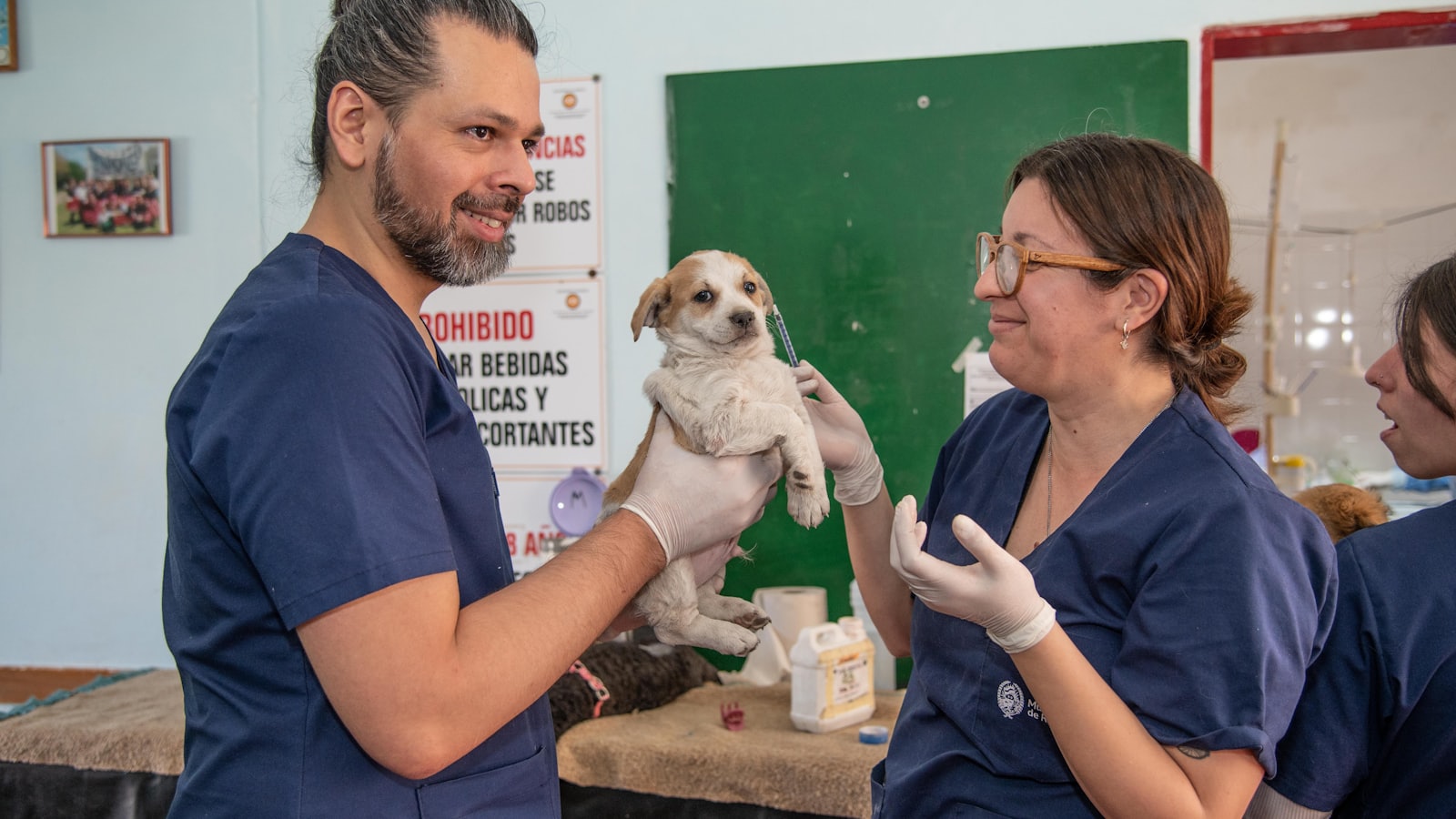
Most flare-ups are preventable with simple habits: dry the ears thoroughly after every bath and swim, do a quick weekly look-and-sniff for redness or odor, and keep the hair around floppy or fuzzy ears trimmed so air can circulate. Use only a vet-recommended ear cleaner when needed — and keep it to the outer canal, never a cotton swab pushed deep, which packs debris down and irritates the lining.
Break the cycle for good
If good care isn't enough and infections keep returning, that's your cue to work with your vet on the underlying driver rather than repeating the same treatment. Chasing the allergy — food trial, environmental management, or a longer-term plan — is what finally quiets the ears. It takes more patience than another bottle of drops, but it's the difference between managing flare-ups forever and actually resolving them.
🚨 Call Your Vet ASAP If…
- Head shaking or ear scratching with a foul odor or discharge
- Redness, swelling, pain, or heat around the ear
- A head tilt, loss of balance, or circling (possible deeper, inner-ear involvement)
- Infections that keep returning despite good care — ask your vet to look for an underlying allergy
This article is for education — it isn't a substitute for veterinary care.
- I dry the ears thoroughly after baths and swimming
- I do a quick weekly look-and-sniff for redness or odor
- I use only a vet-recommended cleaner — never swabs deep in the canal
- Floppy or hairy ears are kept trimmed and ventilated
- I don't over-clean healthy ears
- Recurring infections get a vet work-up for allergies, not just repeat drops
🗓 This Week's Plan
- Days 1–2: Do a gentle look-and-sniff of both ears and note anything off; book a vet visit if you see the signs above.
- Days 3–4: Lock in the prevention habits — dry after water, trim ear hair, put away the cotton swabs.
- Days 5–7: If ears have recurred before, start a flare-up log (dates + what preceded them) to bring to your vet.
Start an Ear-Health log in Pak Social
Log each flare-up and what came before it. Over a season you'll see the trigger — and give your vet exactly what they need to break the cycle.
Get Pak Social — Free ➡️ Up nextHot Spots: Causes and Fast Relief4 min read›