Feeding Schedules That Build Routine
When the bowl goes down is one of the most underrated levers in dog ownership — it sets the potty clock, the training economy, and the household calm.
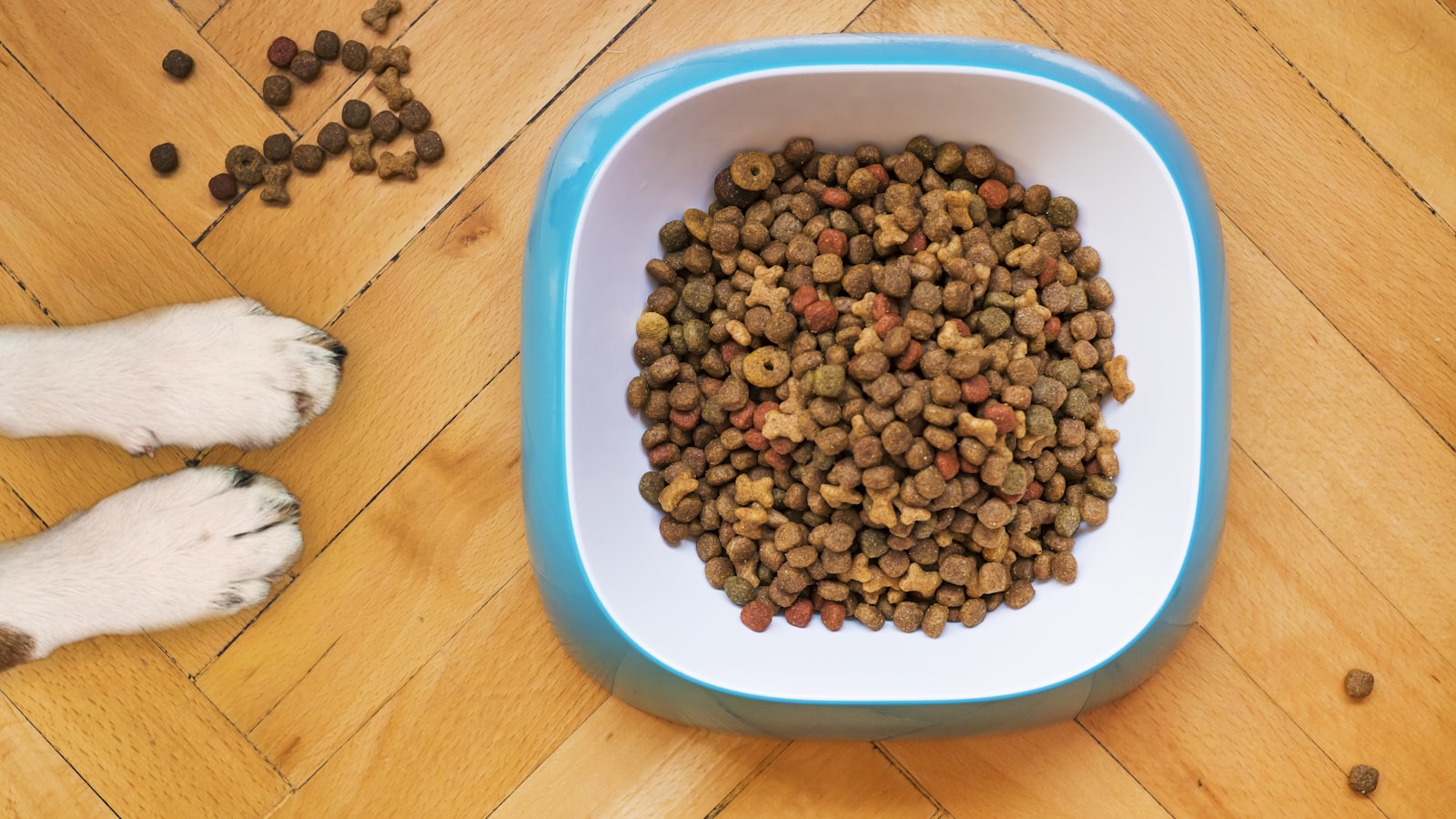
The all-day buffet feels generous: kibble always available, dog grazes at will, everyone's relaxed. Then the potty schedule turns random, the food-reward economy collapses (why work for kibble that's free?), appetite loss — the single best early illness signal — becomes invisible, and the 4:45 p.m. pacing starts anyway. Scheduled meals fix all four at once. The bowl isn't just nutrition; it's a metronome the whole day syncs to.
Free-feeding tells you nothing. A scheduled meal is a twice-daily health check your dog performs on themselves.
📋 Quick Read
- The standard rhythm: most adult dogs do well on two meals a day about 8–12 hours apart; puppies need three (sometimes four when very young) on a tighter clock.
- Digestion drives elimination — mealtimes set potty times, which is why scheduled feeding is quietly the backbone of house training and predictable walks.
- A skipped scheduled meal is data: appetite change is one of the earliest illness signals vets ask about, and free-fed dogs hide it for days.
Set the rhythm
For most healthy adults: two meals, morning and evening, roughly consistent times (the dog cares about the pattern, not the precise minute). Puppies eat three times daily — the AKC's feeding guidance keeps most on three squares until around six months, with very young puppies sometimes on four — synced to their tighter potty clock. Portion comes from your dog's calorie target split across the meals, with the treat budget (the 10% rule from the treats lesson) carved out first. Special cases — toy breeds prone to low blood sugar, deep-chested breeds where meal size and exercise timing matter, medical conditions — get their rhythm from the vet, not the internet.
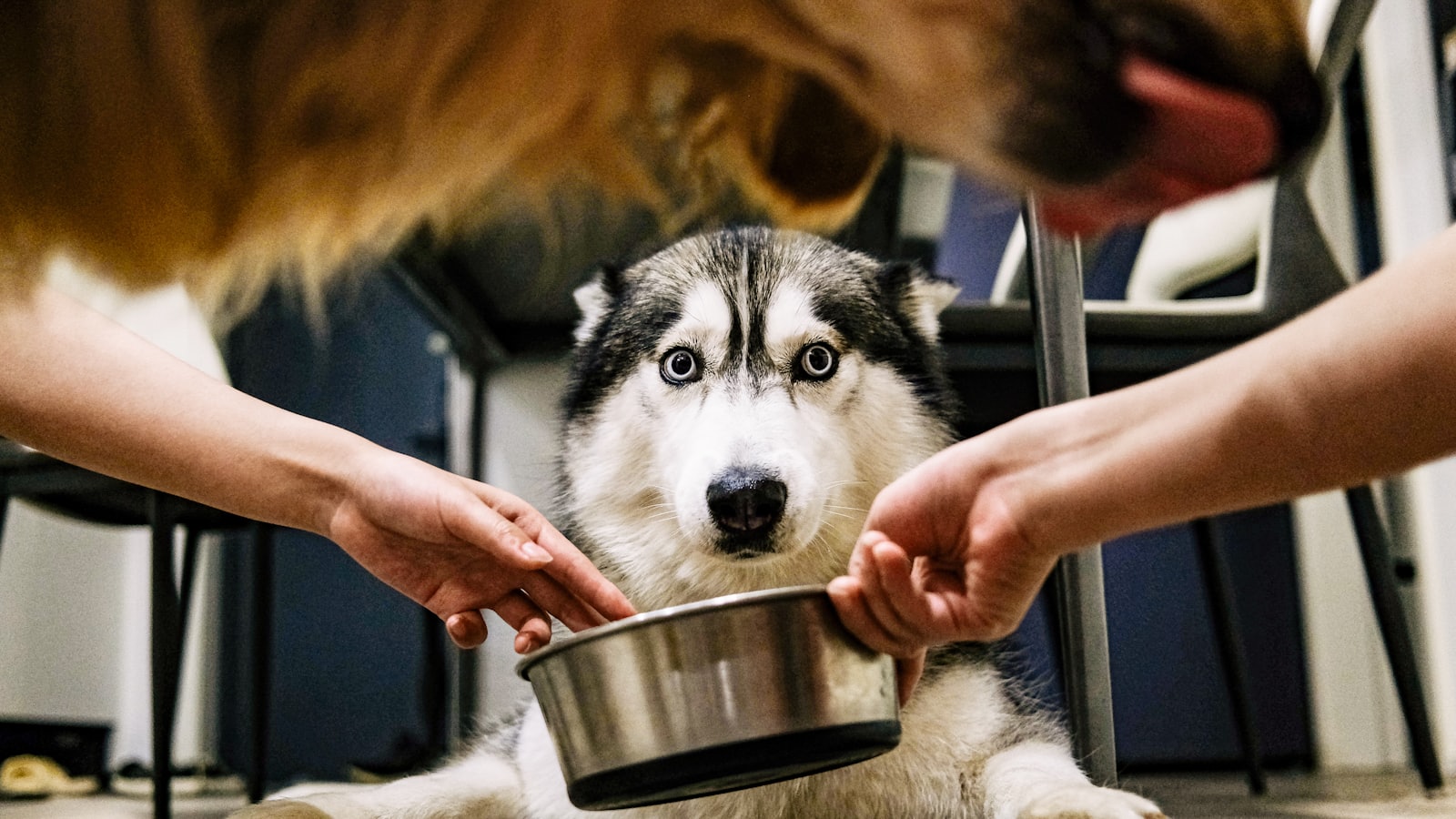
The metronome effect
Once meals are fixed, everything downstream schedules itself. Potty trips become predictable (out after every meal — the gut says so), which is half of house training. Walks and training sessions can be placed where motivation peaks (a pre-meal session runs on a dog who's ready to earn). The evening witching hour often calms when dinner anchors it — especially served as a scatter or puzzle meal that spends brain-energy too. And the household's other schedules (kids, work, the sitter from your dog-care village) can all read the same clock. Dogs don't just tolerate this predictability; they visibly relax into it — anticipation of a known good thing is one of the most settled states a dog has.
Switching a free-fed dog (easier than you think)
Pick your two mealtimes and start cold: measured portion down at the appointed time, fifteen quiet minutes, bowl up regardless of progress — no commentary, no coaxing. Most dogs decode the new economy in two to four days; a healthy dog will not starve themselves in front of scheduled food, though a few skipped or half meals during the transition are normal (toy breeds, puppies, seniors, or any dog with a medical condition should transition under vet guidance instead). Multi-dog households: separate stations, same schedule, and suddenly you also know exactly who ate what — which becomes priceless the first time one of them is off.
🗓 This Week's Plan
- Days 1–2: Pick the two mealtimes that fit your real schedule; measure the daily portion once and mark the scoop.
- Days 3–5: Run the fifteen-minute rule at every meal; start the one-tap ate/didn't log.
- Days 6–7: Place one training session pre-meal and one potty trip post-meal, and enjoy the metronome kicking in.
Set the meal metronome in Pak Social
Two reminders, one measured scoop, fifteen-minute bowls. In a week the whole day — potty, training, evening calm — snaps to the rhythm.
Get Pak Social — Free ➡️ Up nextPuppy Feeding Schedule by Age5 min read›