High-Value Treats Without the Calories
Training runs on treats — and treats run up calories fast. Here's the 10% rule, the math nobody does, and the trainer tricks for paying big without feeding big.
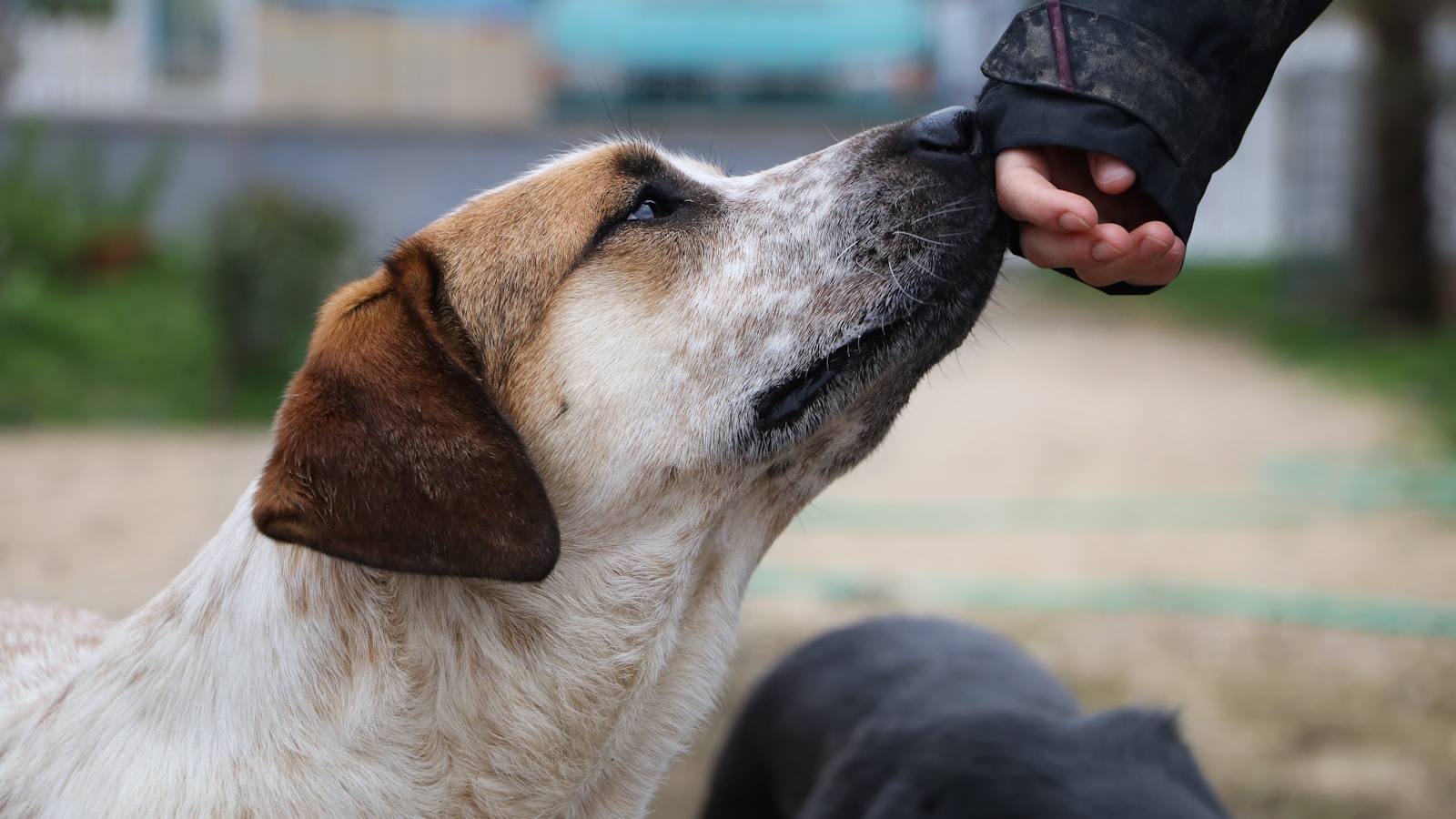
You've been doing everything right: the Name Game, the sit reps, the leave-it ladder — all of it paid in treats, exactly as prescribed. Then the vet says the sentence nobody logs in the training app: "he's gained a little weight." Welcome to the trainer's paradox: generous reinforcement builds great dogs, and unbudgeted reinforcement builds round ones. The fix isn't stinginess — it's accounting, and a few professional tricks for making tiny payments feel enormous.
Your dog doesn't count calories — they count moments. Pay in moments; budget the calories.
📋 Quick Read
- The 10% rule is the whole budget: treats and extras should supply no more than a tenth of daily calories — and that includes training treats, chews, toppers, and the toast crust everyone pretends didn't happen.
- Value to a dog is smell, novelty, and delivery — not size. A pea-sized sliver of chicken outranks a biscuit the size of your palm, at a tenth of the cost.
- Heavy training weeks don't break the budget if the kibble pays for it: portion out meals as training currency and dinner literally becomes the session.
Do the math once — it changes everything
Find your dog's daily calorie target (the food bag's feeding chart gets you close; your vet gets you exact), take 10%, and write that number down — it's the treat budget. Now audit a normal day against it: the training rewards, the dental chew (check the label — many run 25–70+ calories each), the Kong filling, the table taxes. Most owners discover they're running 200–300% over budget without a single 'bad' decision, because nobody prices the extras. The audit isn't about guilt; it's about knowing what a day actually costs before you optimize it.
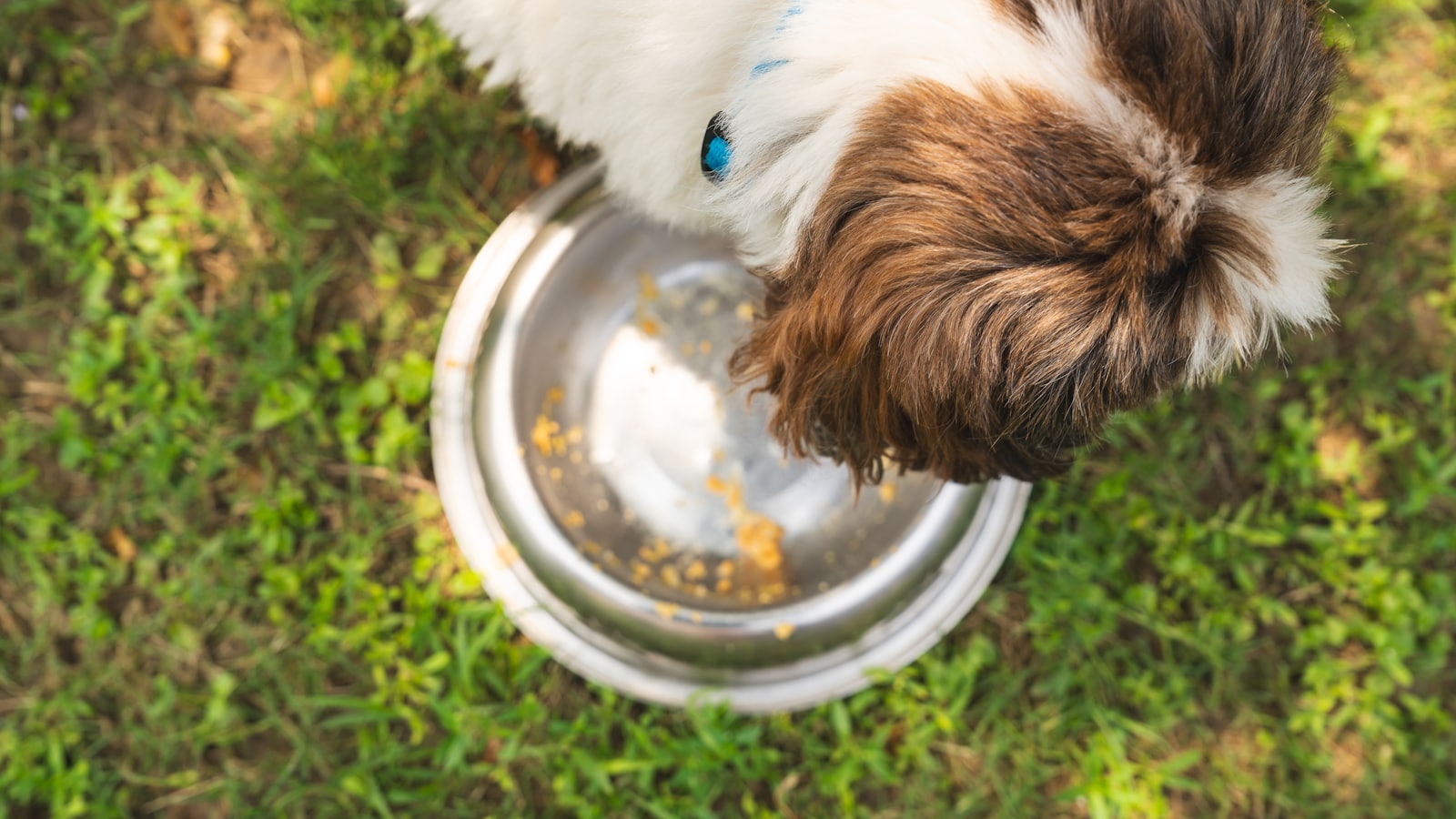
Shrink the coin, keep the payday
Trainers pay in slivers: soft treats cut to pea size (smaller for small dogs), a single string cheese sliced into forty payments, freeze-dried liver crumbled into dust that still smells like a jackpot. Rotate three or four flavors so novelty does the work size used to do. Recruit the vegetable bench — many dogs genuinely rate baby carrots, green beans, and cucumber, at almost no calorie cost (skip grapes, raisins, onions, and anything xylitol-sweetened, which are toxic — when in doubt, check before you share). And deliver like it matters: a tiny treat tossed to chase, or presented with excitement, out-pays a big one dropped flat. The performance is free.
Kibble is money too
The heaviest training weeks don't need a bigger budget — they need meal integration. Measure the day's food in the morning, and a portion of it becomes session currency: hand-fed reps, scatter-feeding finishes, puzzle-feeder payouts. For food-motivated dogs, ordinary kibble paid rapid-fire with enthusiasm carries most training loads, letting the true high-value slivers stay reserved for proofing work and emergencies. On big-chew days (the bedtime Kong, the dental chew), subtract it from dinner like the calories it is. The dogs stay enthusiastic, the budget stays balanced, and the vet's next sentence gets friendlier.
🗓 This Week's Plan
- Days 1–2: Calculate the 10% budget and run the everything-extra audit against it.
- Days 3–4: Sliver the treats, start a flavor rotation, and price the daily chew honestly against dinner.
- Days 5–7: Run one meal as training currency (hand-fed or scattered) and finish the Sliver Week test.
Set the treat budget in Pak Social
One calculation, one audit, one bag of slivered cheese. Generous training and a lean, healthy dog were never actually in conflict — they just needed a ledger.
Get Pak Social — Free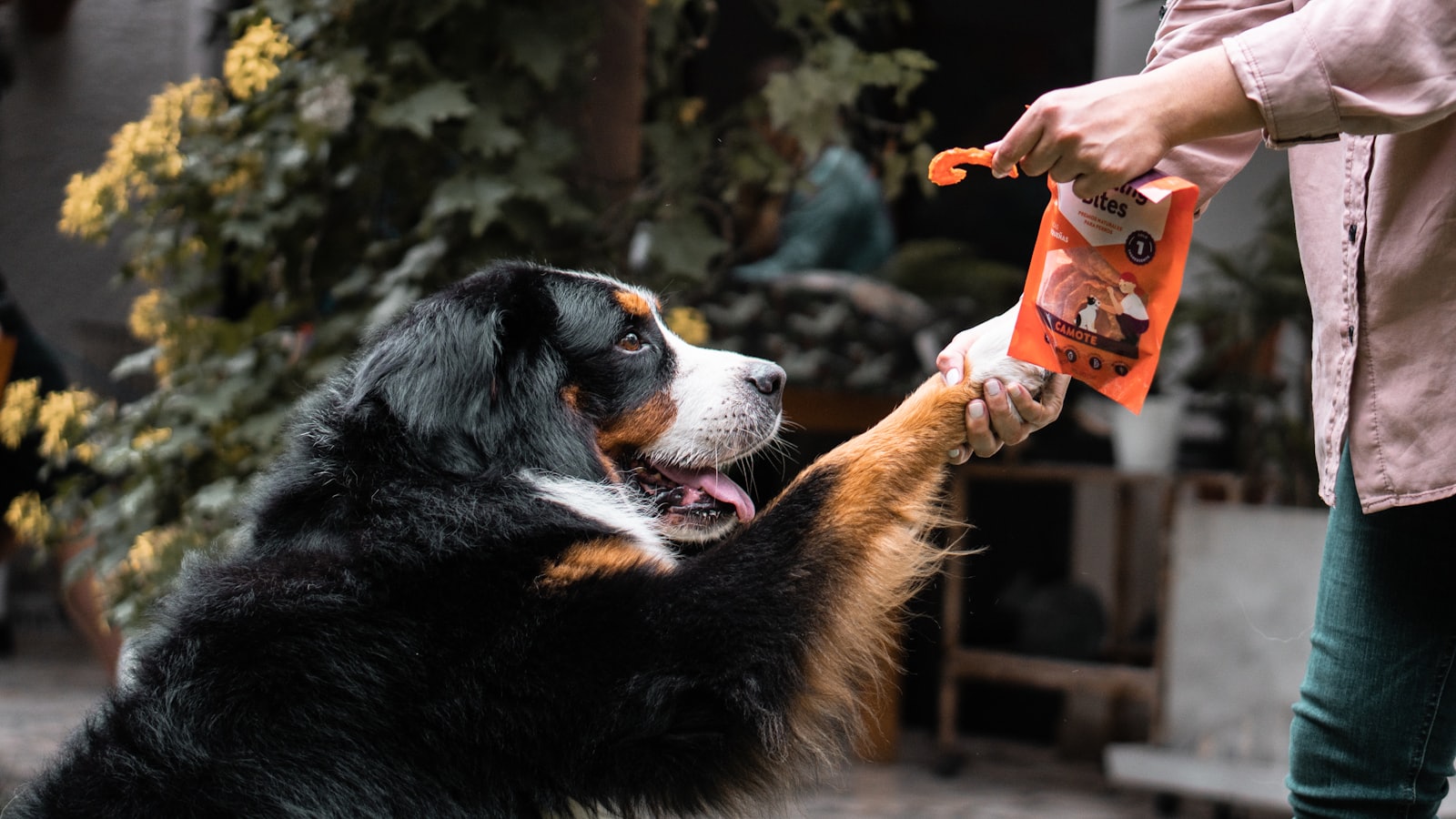 ➡️ Up nextFading Treats the Right Way5 min read›