Fading Treats the Right Way
"He only listens when I have food." That's not a stubborn dog — it's a lure that never got faded and a reward schedule that never changed. Here's the fix.
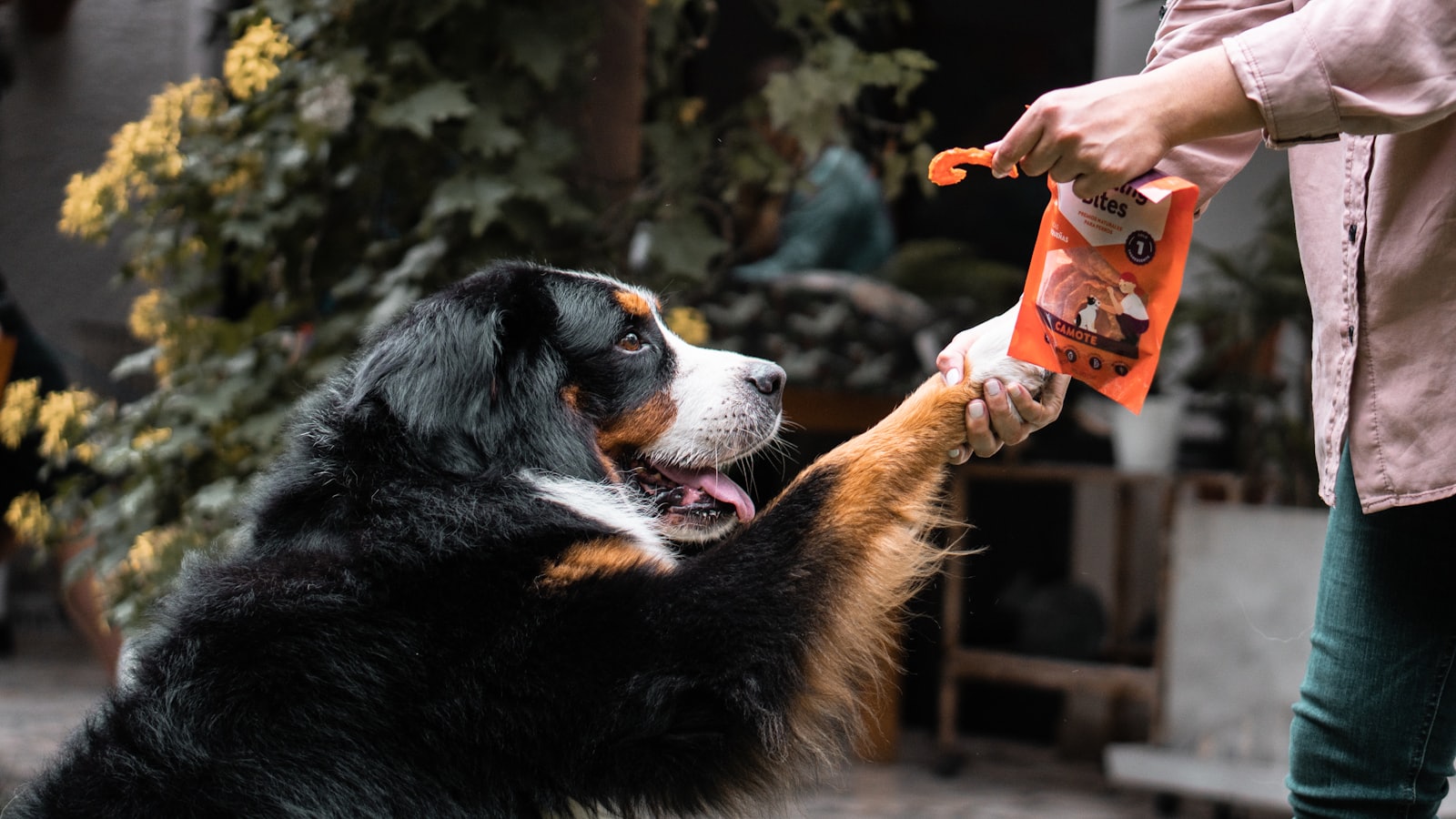
The complaint is universal: 'She's great when I have treats, and deaf the second my hand's empty.' It feels like the dog gaming you, but it's actually a training mechanics problem with a clean fix — two of them, really, because the lure and the reward are different things, and both need to change on schedule. Fade the visible food from the cue, shift the payments from every-time to surprise-me, and you get a dog who works because the behavior pays — not because they can see the paycheck.
A dog who only works for visible food isn't disobedient. He's just never been shown the paycheck comes AFTER the work.
📋 Quick Read
- Two different jobs: the LURE (the food that guides the behavior) fades early and fast; the REWARD (the pay for doing it) shifts from continuous to intermittent — later, and never to zero.
- The lure becomes a hand signal: once the behavior's fluent, run the same motion with an empty hand and pay from the other hand or your pocket — the food leaves the cue but not the equation.
- Intermittent reinforcement is the magic: unpredictable rewards (sometimes one treat, sometimes three, sometimes praise) produce STRONGER, more durable behavior than treating every single time — it's the slot-machine effect, working for you.
Separate the lure from the reward (the whole insight)
The lure is the food you use to GET the behavior — the treat at the nose that guides the sit or the down. The reward is the food that PAYS for the behavior once it happens. Beginners collapse these into one — lure with a treat, hand over the same treat — and the dog reasonably concludes the visible food is the trigger. The unlock is to split them: use the lure only for the first several reps of a new behavior, then drop it, and let the reward come from a different source (other hand, pocket, treat pouch, the environment) and a different moment (after the behavior, sometimes after a delay). The food never leaves training; it just stops being the bribe the dog can see coming.
Fade the lure early, then thin the schedule late
Order matters. Fade the lure fast — after just a handful of successful lured reps, run the identical hand motion with nothing in your fingers, mark the behavior, and pay from the other hand; the gesture is now a hand signal, and the food-in-hand dependency is dead before it forms. Keep rewarding every rep at this stage — you're still teaching. THEN, once the behavior is solid on cue in a context, start thinning the reward schedule: pay most reps, then most-but-not-all, then randomly (this one gets a jackpot, that one gets praise, the next gets nothing, the one after gets three). The unpredictability is the point — a dog who can't predict which rep pays keeps offering strong responses on all of them, which is exactly the durable, food-independent behavior you were after.
Never zero — just smarter
The endgame isn't a food-free dog; it's a dog paid on a variable schedule with an expanded currency. Rewards graduate beyond treats into 'life rewards' — the door opening for a polite sit, the ball thrown for a solid drop, the freedom to go sniff after a check-in, the greeting granted for four-on-the-floor (the Premack principle: the behavior the dog wants pays for the behavior you want). Keep genuine food jackpots in rotation for hard asks and great responses, so the possibility of a big payoff keeps the whole system lively. The clicker or marker, incidentally, fades differently — it's a teaching tool you can simply stop using once the behavior's on cue, no schedule needed. Fade the lure, thin the treats, expand the currency, never hit zero: that's a dog who works anywhere, food or no food in sight.
🗓 This Week's Plan
- Days 1–2: Pick one behavior; confirm the lure is already gone (empty-hand signal, pay from elsewhere) — fix it if not.
- Days 3–5: Start thinning that behavior's schedule — most reps, then unpredictably; watch response quality.
- Days 6–7: Run the Empty-Hand Week test and add one life reward (door, ball, or freedom) to the currency.
Start the fade in Pak Social
Empty your luring hand on one cue today, pay from your pocket, and start keeping the dog guessing. The paycheck-after-the-work dog was always trainable — this is the mechanics.
Get Pak Social — Free ➡️ Up nextMarker Words and Timing5 min read›