Marker Words and Timing
The half-second between behavior and reward is where training actually happens. The marker — a click or a crisp 'yes!' — is how you own that half-second.
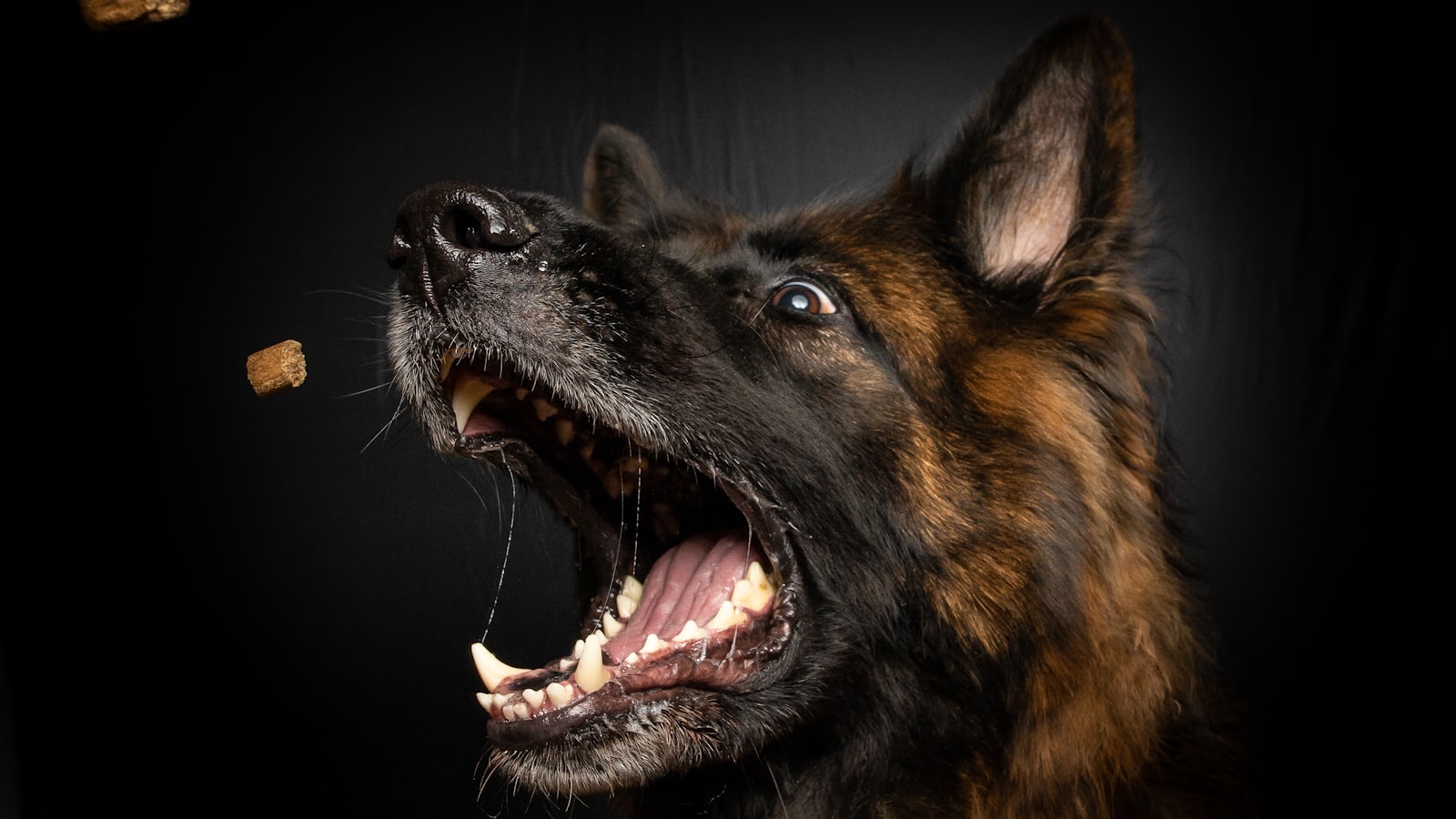
You ask for a sit, the dog sits, you fish the treat out of your pocket, and by the time it arrives the dog has stood up, sniffed your shoe, and glanced at the door. Congratulations: you may have just paid for shoe-sniffing. This is the timing problem every trainer solves the same way — a marker: one crisp sound that means 'THAT, exactly that, payment incoming' — and learning to use one well upgrades every single thing you'll ever teach.
The treat pays the behavior, but the marker points at it. Without the pointer, you're paying whatever happened last.
📋 Quick Read
- A marker (clicker or a short, consistent word like 'yes!') bridges the gap between the exact behavior and the arriving reward — dogs learn from what the mark touches, not what the treat touches.
- It gets 'charged' first: mark-then-treat, ten times, no behavior required — until the sound itself makes ears perk. Then it can pinpoint anything.
- Timing is the skill: mark the instant the butt hits the floor, the paw lifts, the eyes meet yours — a half-second late and you're marking (and building) something else entirely.
Charge it, then point with it
Session one is pure association: dog mildly hungry, ten treats ready. Click (or say your crisp 'yes!') — treat. Pause. Click — treat. No behavior asked, no position required; you're teaching the sound's meaning, nothing else. Most dogs show the tell within a dozen reps: the sound fires and ears perk, head snaps toward you, eyes brighten — the marker is charged. From then on, it points: mark the instant of the behavior you want (butt touching floor, nose touching hand, paw lifting) and deliver the treat afterward at whatever speed pockets allow. The mark did the timing work; the treat just settles the bill.
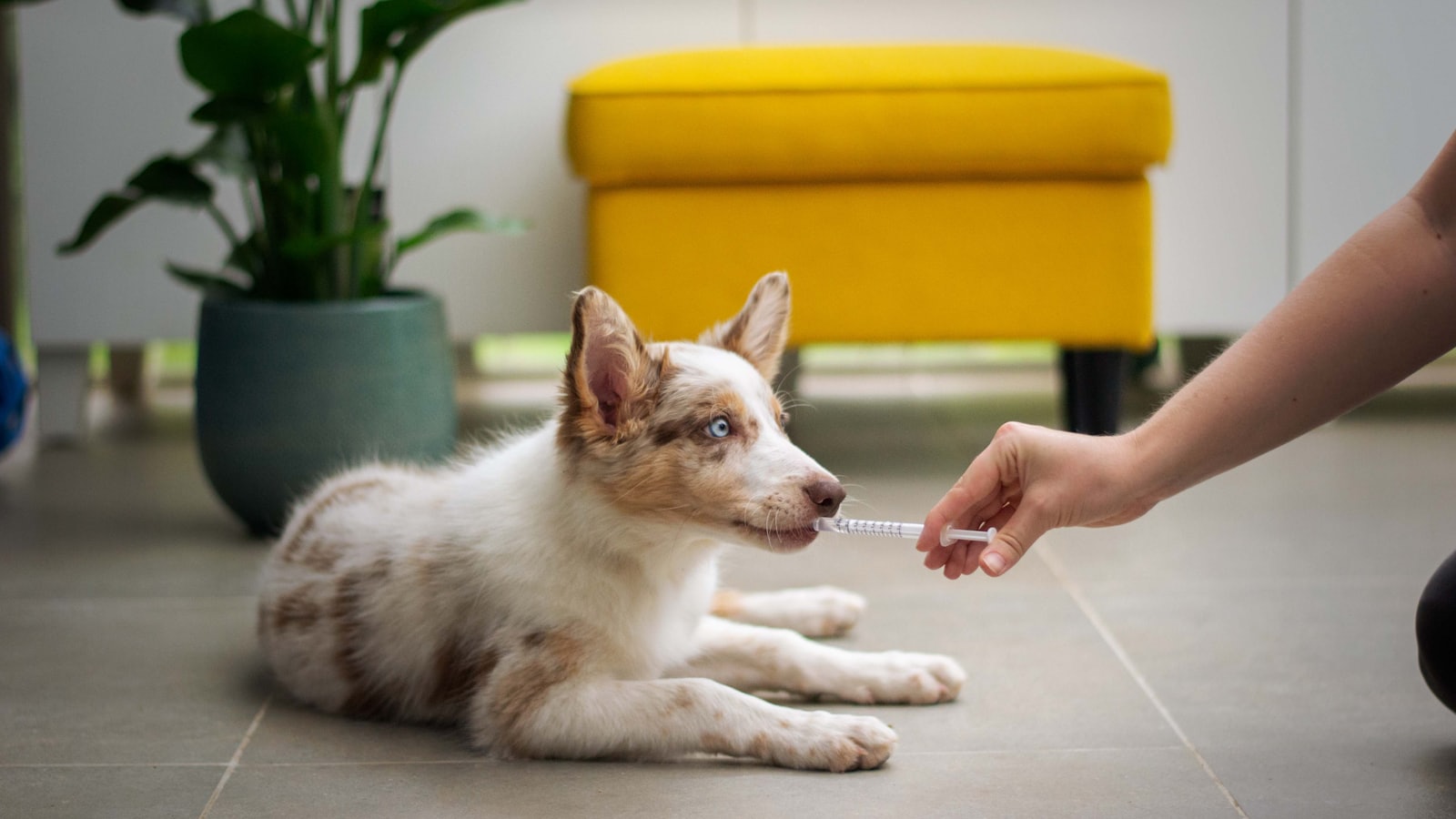
Train YOUR timing (the human half)
Marker timing is a motor skill, and it's yours, not the dog's — so drill it dogless first: bounce a ball and click the instant it hits the floor; watch TV and mark every time a character blinks; have a family member drop keys and beat the sound to the ground. You're building the reflex that fires on the event, not after your brain narrates it. With the dog, start marking easy, obvious moments (the sit you can see coming, the nose-touch you invited), and review yourself honestly: if the dog keeps offering the behavior-after-the-behavior — standing up from sits, lifting the head after the down — your mark is landing late, and the dog is faithfully learning your actual timing rather than your intentions.
Clicker or word? (and the contract either way)
The clicker wins on precision — identical every time, emotionally neutral, unmistakable — which matters most for shaping fine slivers and for soft dogs who parse your tones. The verbal marker ('yes!' — short, distinct, said the same way every time) wins on availability: it's installed at the park, in the kitchen, mid-walk when the perfect check-in happens and the clicker is in the other coat. The professional answer is both: clicker for teaching sessions, word for life. Whichever you use, the contract is absolute — every mark gets paid, including your mistakes (a mistimed click still pays; the account's credibility is worth more than one errant treat), and the marker never gets diluted into praise, attention-getting, or recall duty. Guard the meaning, and the half-second belongs to you for the dog's whole career.
🗓 This Week's Plan
- Days 1–2: Charge the marker (one session) and confirm the ears-perk tell.
- Days 3–4: Run the Blink Drill dogless; then mark ten easy live behaviors with honest self-review.
- Days 5–7: Deploy into one real skill (a sit polish or a shaping project) and install the verbal backup marker.
Charge your marker with Pak Social
Ten clicks, ten treats, one perked ear — tonight. Own the half-second, and everything you teach from here on arrives faster and cleaner.
Get Pak Social — Free ➡️ Up nextClicker Training 1015 min read›