Long-Line Recall Practice
The 30-foot training line is the bridge between kitchen recalls and true off-leash trust — freedom with a safety net, distraction with a floor.
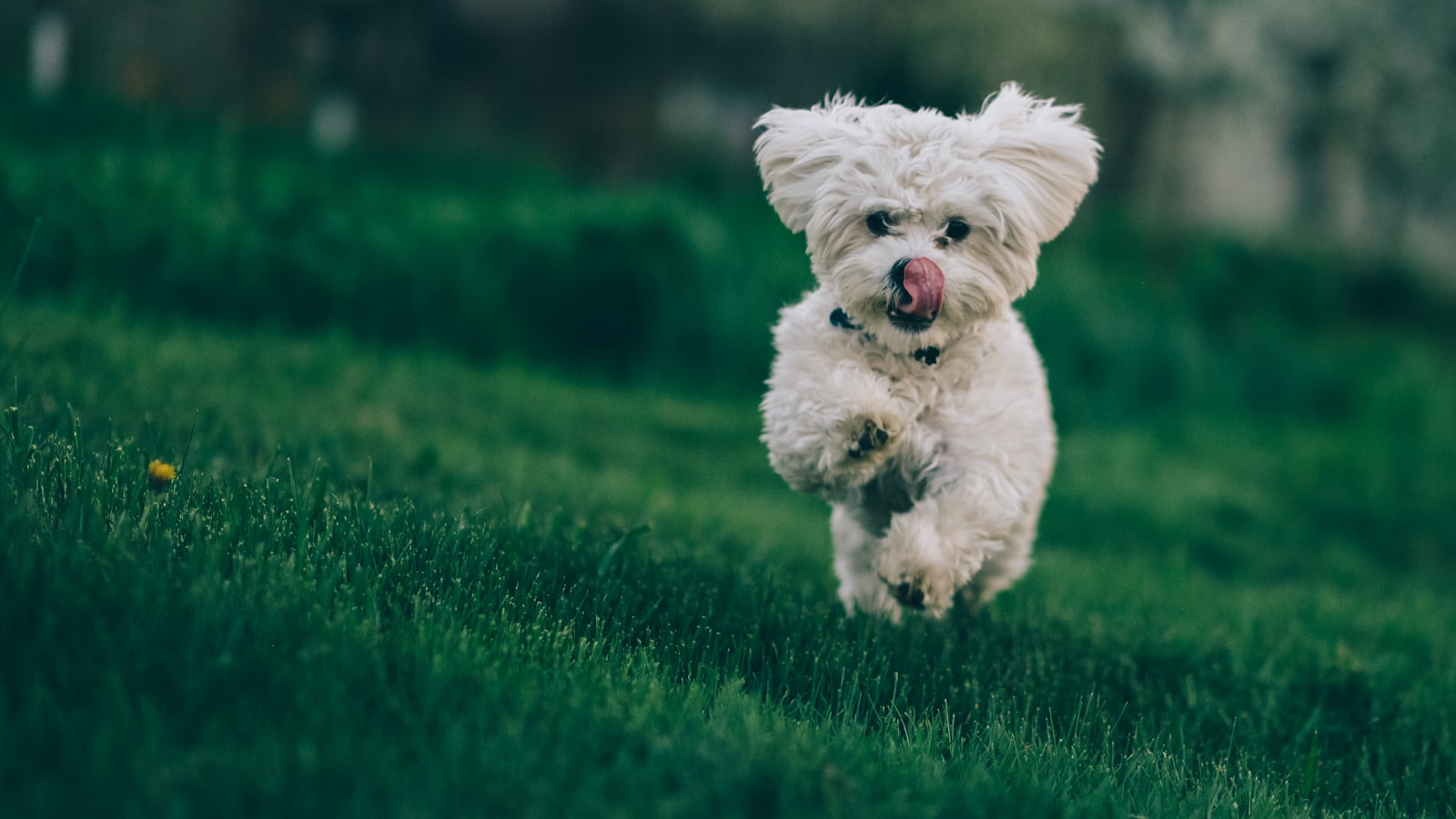
Your recall works in the yard. Off leash at the trailhead? That's a coin flip you're not ready to bet a dog on — and you shouldn't be. Between those two worlds lives the most underused tool in dog training: a thirty-foot line and a field. The long line gives your dog real distance, real smells, real distractions — everything off-leash life offers — while physics quietly guarantees that 'come' never fully fails. It's how off-leash dogs are actually made.
Off-leash reliability isn't a leap of faith. It's a long line getting gradually longer until nobody's holding it.
📋 Quick Read
- The long line (20–50 feet of biothane or flat lead — never a retractable) lets you train recall at distance with distractions, while making the un-recallable moment physically impossible.
- The handling rules keep it safe: line drags or loops loosely, never wrapped around hands, attached to a back-clip harness — and gloves on grabby days.
- Graduation is earned in data: when recalls at full line-length hit 9-of-10 across multiple locations and distraction levels, you're ready to test a dragging line — then none.
Gear and the safety rules
Buy a purpose-made long line — 20 to 30 feet to start, biothane if you'll work in wet grass (it doesn't soak or tangle like cotton) — and clip it to a back-attachment harness, never a collar: a sprinting dog hitting the end of a line on their neck is an injury, on a harness it's a lesson in physics. Handling: the line drags or trails through a loose hand, never wrapped around fingers or wrist; gloves save skin on grabby days; and you manage slack like a fly-fisher — enough for freedom, little enough that the stop is a decelaration, not a clothesline. Work in open spaces first; trees and long lines have a relationship you'll discover exactly once.
Climb the two ladders
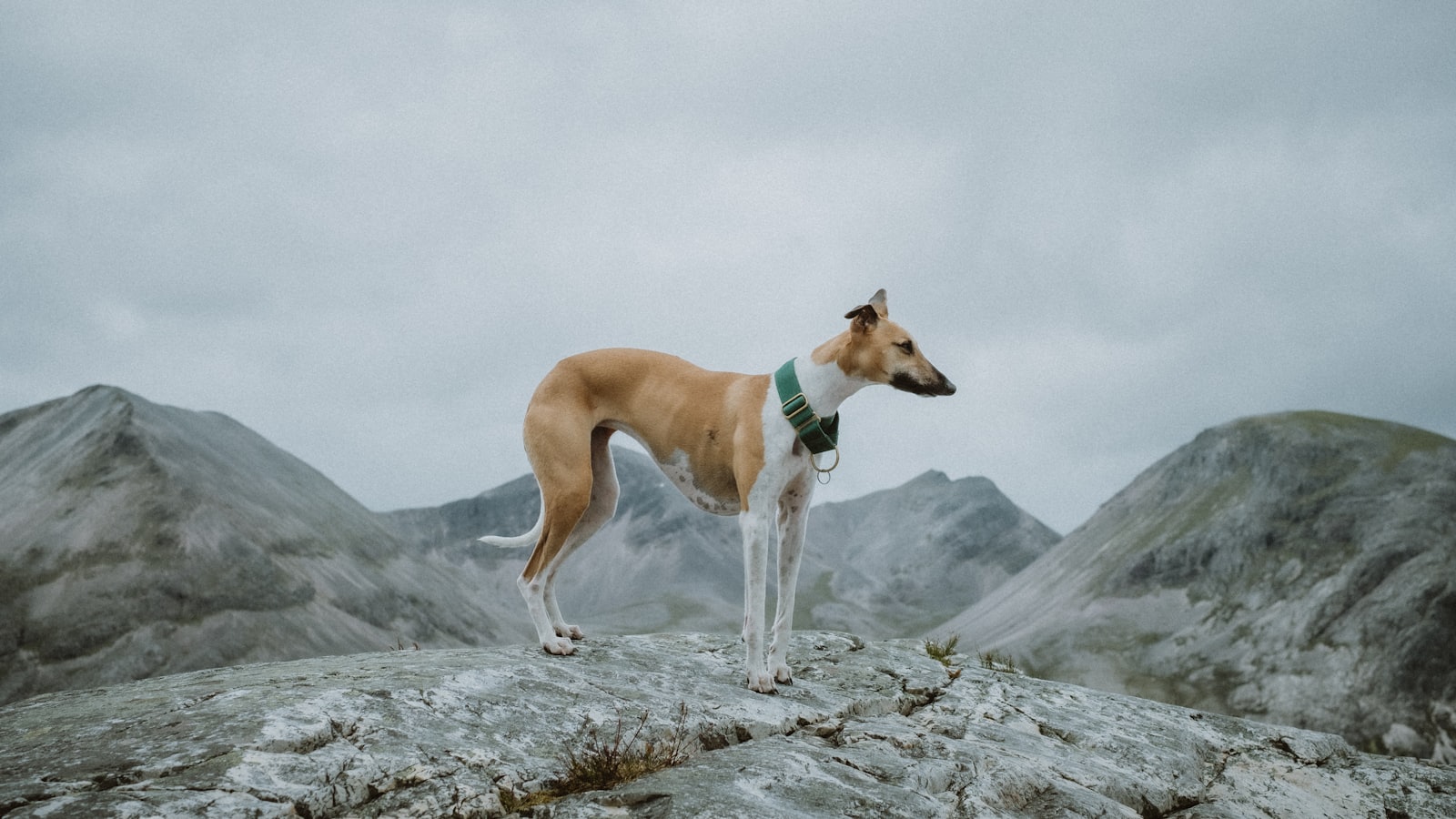
Distance first: in a boring field, let your dog drift ten feet, call once, celebrate the arrival like a lottery win, release back to sniffing (the release is half the magic — recall that always ends freedom teaches dogs to delay it). Then twenty feet, then the full line. Distraction second, distance dialed back down: other dogs at a hundred yards, then fifty; a park path at off-hours, then busier; smells, squirrels-at-distance, life. One ladder at a time, exactly like the stay lesson's three D's. When a recall fails, the line makes it a non-event — gentle reel, pay the arrival anyway, and make the next rep easier. The paycheck stays premium throughout: this is the behavior that someday outranks a deer.
Graduation: earned in numbers, tested in stages
The bar: nine of ten instant recalls at full line length, in at least three different locations, through your dog's realistic distraction menu — logged, not felt. Then stage the letting go: line dragging (you can still step on it), then a shorter drag line, then a tab, then nothing — each stage in legal off-leash areas, each earning the same 9-of-10 before the next. Some dogs earn full freedom in months; some breeds and noses earn the drag line for life, and that's an honest, happy outcome too — a dragging line on a hiking dog is dignity, not failure. What the process guarantees either way: the day the leash comes off is a day the data chose, not a hope.
🗓 This Week's Plan
- Days 1–2: Gear up (long line + back-clip harness) and run stage one in the most boring field you know.
- Days 3–5: Climb distance to full line; start the session log with honest hit counts.
- Days 6–7: First distraction-ladder session at reduced distance; begin the Field Fifty count.
Start the Field Fifty in Pak Social
Thirty feet of line, one boring field, ten celebrated arrivals. Freedom is a ladder — and your dog just stepped on the first rung.
Get Pak Social — Free ➡️ Up nextProofing Recall Around Distractions4 min read›