Lumps and Bumps: Which Ones Need a Vet
You found a lump. Here's how to think about it calmly — what to write down, what makes a bump worth an appointment, and the one thing you truly cannot tell by feel.
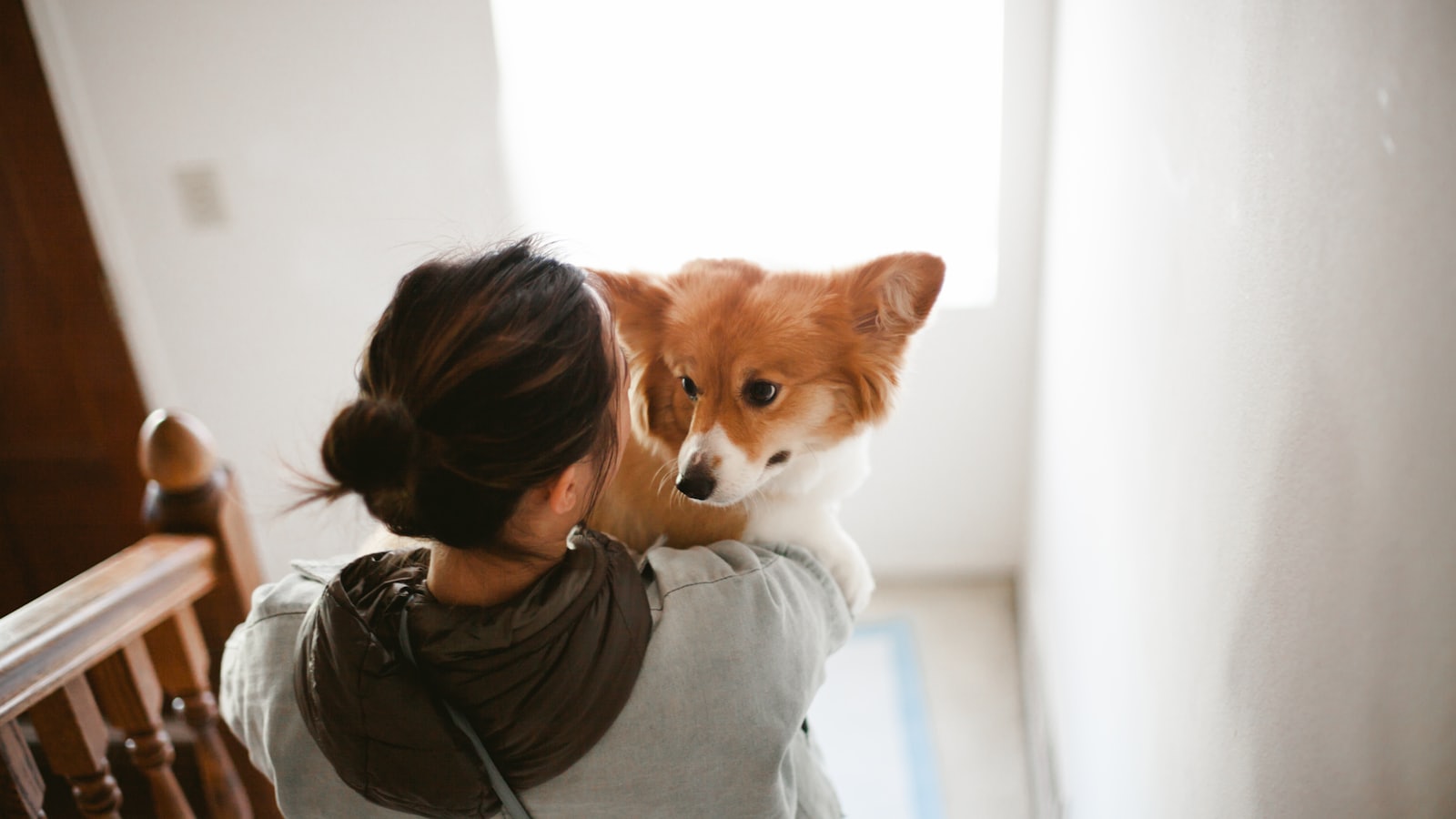
Your hand runs down your dog's side during an ordinary belly rub and stops on something that wasn't there before — a little marble under the skin. Your stomach drops. Is it nothing? Is it the worst thing? Here's the honest, calming truth: most lumps on dogs turn out to be harmless, and the ones that aren't are far more treatable when caught small. But the single most important fact is one no article, and no amount of squishing it between your fingers, can get around: you cannot tell what a lump is by touching it. A benign fatty lump and a dangerous tumor can feel identical. So this lesson isn't about diagnosing at home — it's about becoming a calm, precise observer who gives your vet exactly what they need.
You can't diagnose a lump with your fingers. You can only decide how fast to get it checked.
📋 Quick Read
- Feel doesn't equal safe. A soft, movable lump can be a benign lipoma — or a mast cell tumor wearing the same disguise. Only a vet's needle test (a fine-needle aspirate) tells them apart.
- Speed of change is your loudest signal: a lump that grows fast, changes shape or color, feels hard or fixed in place, is ulcerated, or bothers your dog earns a prompt appointment.
- Small is easy; big is hard. A lump found early — while it's still tiny — is far simpler to remove and cure than one you 'watched' for a year. Mapping and measuring beats waiting.
Why your fingers can't call it
The instinct is universal: you find a bump and you squish it, roll it, decide it feels 'soft and movable, so probably fine.' Movable and soft is reassuring in the way a lipoma feels — but veterinary specialists warn that some cancers, especially mast cell tumors sitting under the skin, mimic that exact texture. There is no feel, no shape, no location that reliably says 'benign.' That's not meant to scare you; it's meant to free you from a job you were never equipped to do. Your role isn't to rule cancer in or out with your hand. It's to notice, document, and route the question to someone with a microscope.
This reframe matters because the alternative — quietly monitoring a lump by feel for months — is how small, curable masses become big, complicated ones. The goal is a calm process, not a home diagnosis.
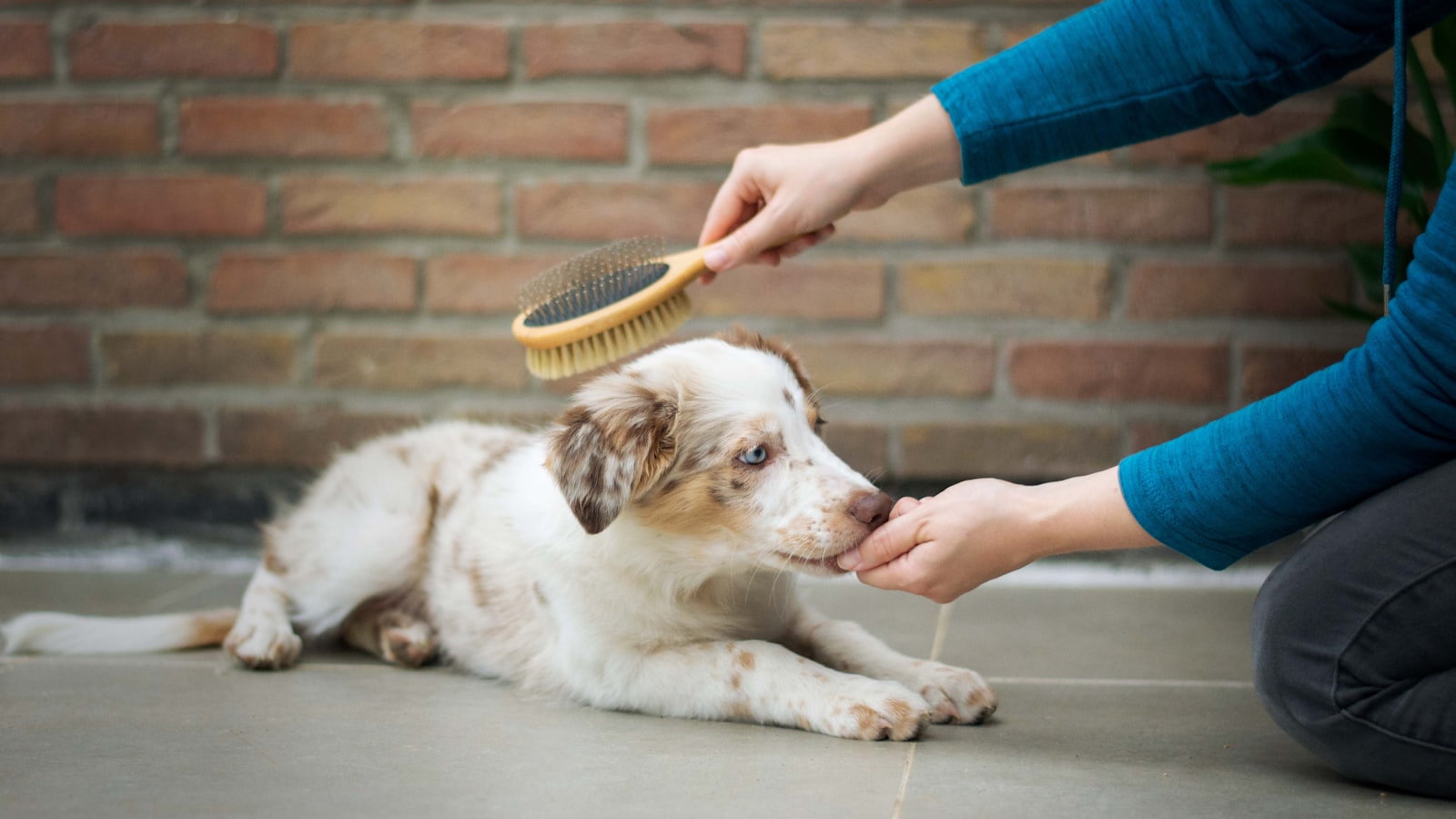
Map it and measure it
Turn worry into data. Once a month, during a calm cuddle, run both hands slowly over your dog head to tail — jaw, neck, armpits, chest, belly, legs, and around the rear. For anything you find, record four things: where it is (be specific — 'left ribcage, four fingers behind the elbow'), how big it is (a pea? a grape? measure across if you can), when you first noticed it, and what it's doing over time. A quick phone photo next to a coin gives scale.
This 'lump map' does two powerful things. It catches new bumps while they're small enough to remove easily, and it gives your vet a timeline — 'appeared three weeks ago, doubled since' is far more useful than 'I think it's maybe bigger?' Measuring also settles the anxious middle-of-the-night guessing, because you're comparing numbers, not feelings.
The changes that mean book the appointment
Any brand-new lump deserves a vet's eyes — full stop, because only the aspirate settles it. But certain features push a lump from 'schedule a routine check' toward 'call sooner rather than later.' Get it looked at promptly if a lump grows quickly, changes shape, color, or texture, feels hard or firmly rooted to the tissue beneath it (rather than sliding freely), is ulcerated or open, oozes or bleeds, or is clearly painful or being licked raw. A rapidly changing mass is the pattern veterinary oncology sources flag most often.
And here's the reassuring counterweight: catching a lump early, while it's small, is often the whole ballgame. Many concerning masses, removed while tiny, are cured by that surgery alone — no further treatment needed. Waiting to see if it 'goes away' can turn a simple procedure into a much bigger one. When in doubt, the answer is always the same and always safe: let your vet take a look.
🚨 Call Your Vet ASAP If…
- A lump that is growing quickly, or changing shape, color, or texture
- A mass that feels hard, or is fixed/rooted to the tissue underneath rather than moving freely
- Any lump that is ulcerated, open, bleeding, or oozing fluid
- A lump your dog is licking, chewing, or that seems painful to touch
- Any new lump alongside signs of feeling unwell — low energy, poor appetite, vomiting, or swelling near it
- When in doubt about any new or changed lump — book a vet visit for a fine-needle aspirate; only that test identifies it
This article is for education — it isn't a substitute for veterinary care.
- Location noted specifically (e.g. 'left ribcage, behind elbow')
- Size measured or compared (pea / grape / measured across)
- Date first noticed written down
- Photo taken next to a coin for scale
- Change since last check logged (bigger? harder? same?)
- Any licking, pain, or fixed-in-place feel noted
- Vet appointment booked for any new or changed lump
🗓 This Week's Plan
- Days 1–2: Do one calm head-to-tail lump check and log every bump — location, size, and the date you first noticed it.
- Days 3–4: Photograph any lump next to a coin for scale, and note whether it's soft or hard, movable or fixed, and whether your dog minds you touching it.
- Days 5–7: For any new lump — or any that's grown, hardened, or changed — book a vet appointment for a fine-needle aspirate. When unsure, book anyway.
Start your dog's lump map in Pak Social
Log the bump you found — location, size, and a photo — set a monthly body-check reminder, and keep your vet's number one tap away. Observation beats worry, and early beats late.
Get Pak Social — Free ➡️ Up nextPancreatitis: Triggers and Prevention5 min read›