Pancreatitis: Triggers and Prevention
The holiday-season emergency with a fatty-meal fuse: what pancreatitis looks like, which dogs run the risk, and the prevention that's mostly about what never hits the floor.
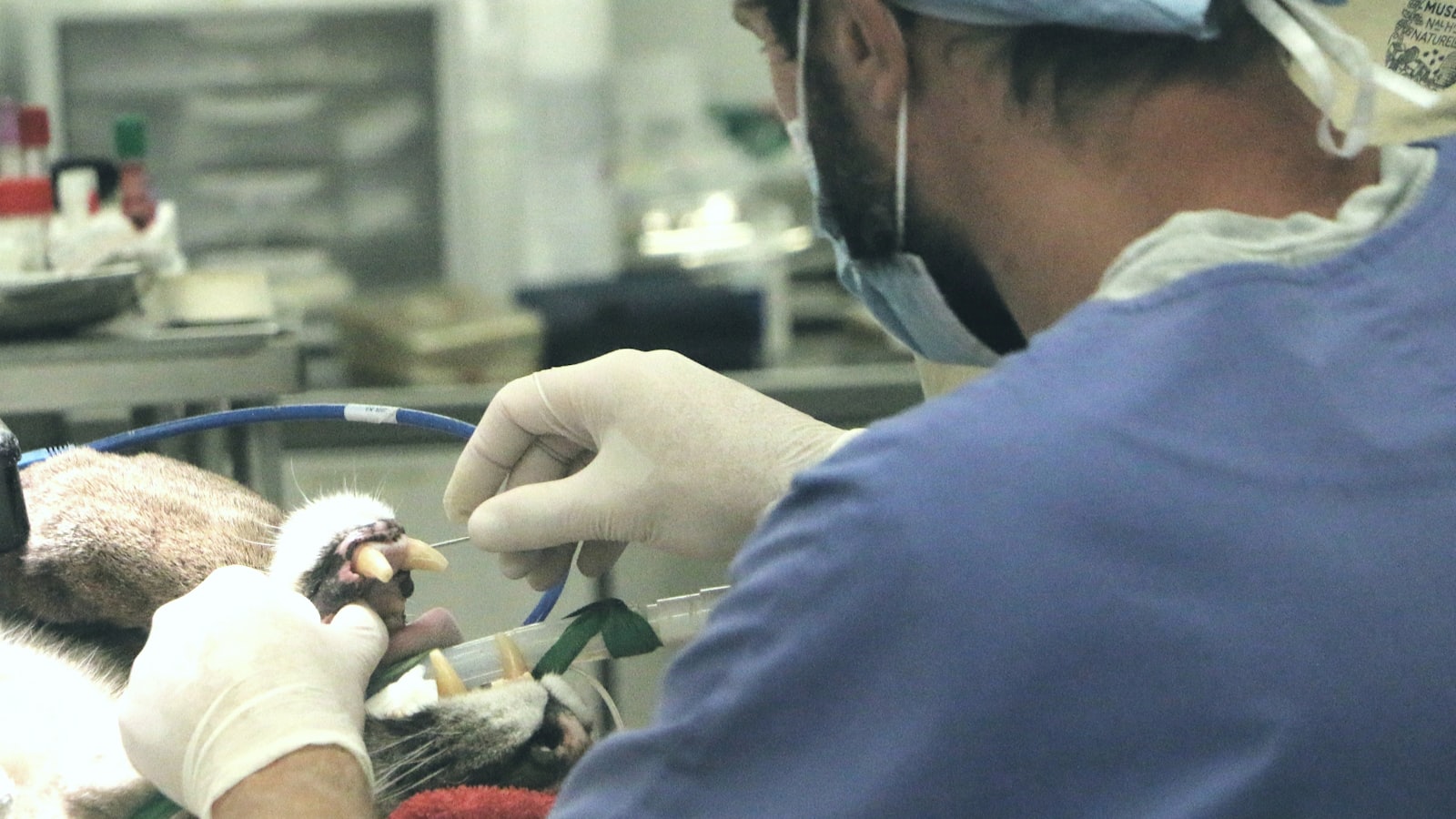
Emergency vets can predict their busiest week: the days after Thanksgiving, when the turkey skin, the ham fat, and the buttered everything work through the dogs who charmed them off the table. Pancreatitis — the pancreas inflaming, sometimes violently — is dog ownership's classic rich-meal emergency: painful, dangerous, commonly triggered by dietary indiscretion, and substantially preventable by controlling what lands in the bowl and under the table.
The pancreas holds grudges: one rich meal can light a fire that takes a hospital to put out. The prevention is boring — and it's the whole game.
📋 Quick Read
- The signature: repeated vomiting, hunched 'prayer position' posture (chest down, rear up — abdominal pain's tell), lethargy, appetite loss, and fever — classically 24–72 hours after a fatty score. It's a same-day vet situation.
- The risk map: fatty-meal indiscretion is the famous trigger, but some dogs (miniature schnauzers notably), obesity, certain medications, and endocrine conditions raise the baseline — and some cases arrive with no identifiable cause.
- Prevention is household policy: the table-scrap constitution, trash security, fat-aware treat rules, and lean body condition — plus the low-fat vigilance for dogs with a prior episode, because the pancreas remembers.
Know the signature (it's distinctive enough to learn)
The classic presentation: repeated vomiting (not the single grass-and-done event — the poop and symptoms lessons' escalation rules apply), a dog who won't settle or stands hunched, the prayer position (front end down, rear up — the posture of a dog stretching an aching abdomen; photograph-worthy diagnostic if you see it), appetite gone, energy flat, sometimes fever and diarrhea — frequently arriving a day or three after a known dietary crime. Any vomiting-plus-pain combination is a same-day vet call (the tech-vs-vet lesson's drive-list logic); mention the dietary history without shame — the timeline is diagnostic gold, and your vet has heard every version of 'he got the brisket.' Diagnosis runs on exam plus bloodwork (a pancreas-specific lipase test) and often ultrasound; treatment is hospitalization-grade supportive care in serious cases — fluids, pain management, anti-nausea — and early beats late by a wide margin.
The risk map (who needs extra vigilance)
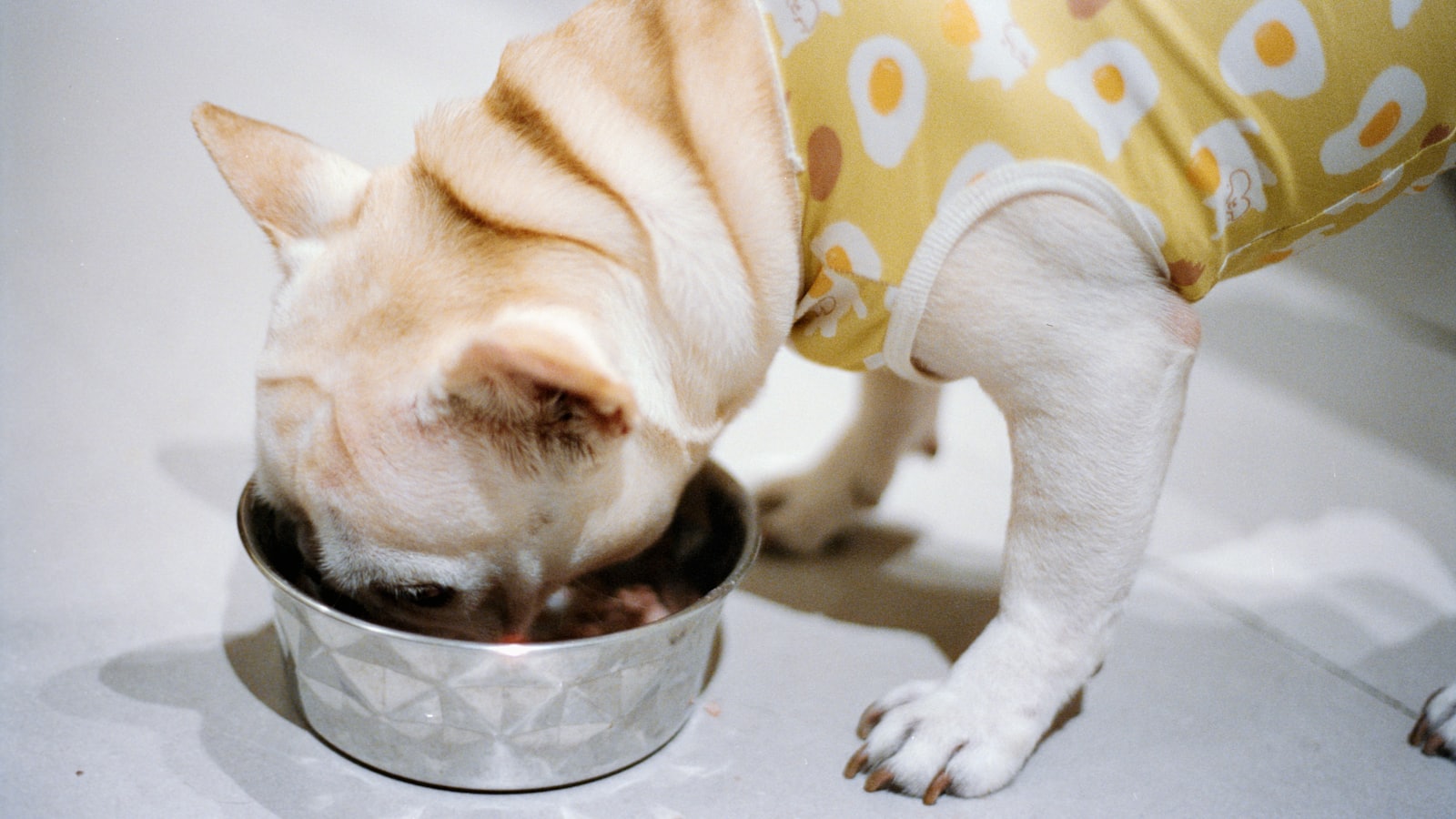
Every dog can develop pancreatitis, but the vigilance tiers are real: miniature schnauzers head the breed list (their lipid metabolism runs hot — some also have familial hyperlipidemia worth screening), overweight dogs carry elevated risk (the body-condition lesson's trend line is quietly pancreatitis prevention), middle-aged and older dogs feature more, certain endocrine conditions (diabetes, hypothyroidism, Cushing's) raise the baseline, and some medications carry known associations (a vet conversation, never a unilateral change). The behavioral risk factors are the manageable ones: the counter-surfer, the trash-diver, and the table-fed charmer are running voluntary risk multipliers — which routes the fix through the leave-it, proofing, and household-policy machinery this library already built. And dogs with a prior episode occupy their own tier: the pancreas's grudge is real, recurrence risk is elevated, and their low-fat constitution is permanent.
The household constitution (prevention as policy)
Write the rules once and enforce them communally: the table-scrap constitution (nothing fatty, ever — and for prior-episode dogs, nothing at all without vet sign-off), guest briefings at gatherings (the sweet-eyed lobbyist under the holiday table has a medical file your guests haven't read), trash secured to raid-grade (the proofing lesson's latching cans — post-feast trash is the season's most dangerous buffet), counters policed during cooking marathons, and the fat-aware treat policy (lean training treats per the treats lesson; the 10% budget spent on low-fat currency). Keep body condition at ideal (the monthly check — obesity is the modifiable risk factor), keep the leave-it and drop-it skills maintained (they're pancreatitis prevention wearing training costumes), and for the at-risk tiers, ask the vet about diet specifics before the holidays arrive. None of it is glamorous; all of it is cheaper than the ICU week it prevents.
🚨 Call Your Vet ASAP If…
- Repeated vomiting, especially with lethargy or refusal to eat — same-day call
- The prayer position or a hunched, pain-guarded posture — abdominal pain is never a wait-and-see
- Vomiting 24–72 hours after a known fatty score (confess the timeline — it speeds everything)
- A prior-pancreatitis dog showing ANY appetite loss or vomiting — lower threshold, faster call
This article is for education — it isn't a substitute for veterinary care.
- No fatty table scraps — constitutionally, not situationally
- Trash secured to raid-grade (post-feast especially)
- Guests briefed; the under-table lobbyist defunded
- Treat budget spent on lean currency
- Body condition held at ideal (the monthly check)
- Leave-it and drop-it maintained as prevention skills
- Prior-episode dogs on their permanent low-fat plan
🗓 This Week's Plan
- Days 1–2: Learn the signature (vomiting + prayer position) household-wide; save the signs to the emergency card.
- Days 3–4: Run the constitution audit — trash, counters, scrap policy, treat currency.
- Days 5–7: Check your dog's risk tier (breed, weight, meds, history) and book the diet conversation if any tier applies.
Ratify the constitution with Pak Social
One learned posture, one latched trash can, one lean-treat policy. The pancreas holds grudges — so don't give it one to hold.
Get Pak Social — Free ➡️ Up nextDiabetes in Dogs: Spotting It Early6 min read›