Puppy vs. Adult vs. Senior Formulas
The life-stage labels on dog food aren't marketing tiers — they're different nutritional jobs. What actually changes in the bag, and when your dog should change with it.
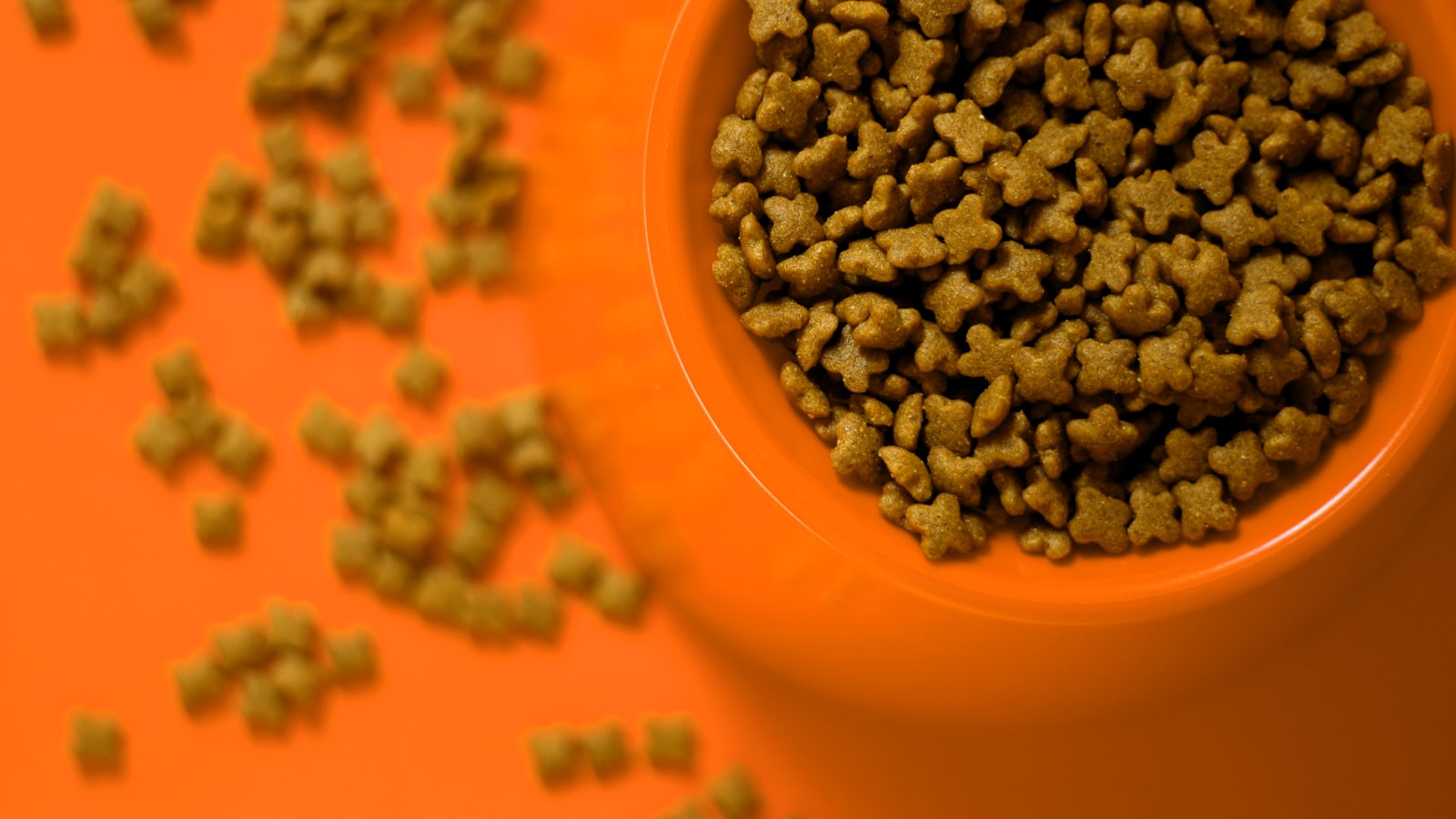
Same brand, three bags: puppy, adult, senior — priced like a loyalty ladder and shelved like flavors. It's tempting to read them as marketing. They're not: growth, maintenance, and aging are genuinely different nutritional jobs, with different calorie densities, mineral targets, and protein logic — and the switch points (which the bag can't know) matter as much as the formulas. Here's what actually changes inside the kibble, and how to time the transitions for YOUR dog.
Life-stage formulas aren't three prices for one food. They're three different jobs — and the switch dates belong to your dog, not the bag.
📋 Quick Read
- The label that matters is the AAFCO statement: 'growth,' 'maintenance,' or 'all life stages' — it declares which job the food is formulated for, and it's the fine print worth finding.
- Puppy formulas are the strictest science: higher calories and protein for growth, with calcium controlled — large-breed puppy versions exist specifically to slow skeletal growth to a joint-safe pace.
- 'Senior' has no legal definition — formulas vary wildly, and the real senior questions (calories down? protein up? joint support?) are individual enough that the vet conversation outranks the label.
Growth: why puppy food is the non-negotiable one
Of the three stages, growth is where formula choice carries real risk: puppies build an entire skeleton, immune system, and nervous system on what's in the bowl, so growth formulas run higher in calories, protein, and key nutrients (like DHA for brain development) — and critically, they control the calcium-phosphorus window, because a growing skeleton absorbs minerals less selectively than an adult one. Large and giant breeds get their own version on purpose: large-breed puppy formulas moderate energy and calcium so the Great Dane frame assembles slowly and soundly (fast growth, not final size, is the orthopedic risk — the feeding-amounts lesson's lean-growth rule, formulated into the bag). The rules that follow: puppies eat a growth or all-life-stages formula until actually mature (roughly 12 months small breeds, 18+ large — vet-confirmed), big puppies eat the large-breed version specifically, and 'he's basically grown at eight months' is how joint problems get purchased at a discount.

Adult: the maintenance economy (and the switch everyone bungles)
Adult maintenance formulas deliver the same completeness at maintenance energy — the job is steady-state, and the main skill is the transition into it: switch at actual maturity (the vet call from the puppy lessons), transition over 7–10 days of blending (the stool baseline from the poop lesson will grade your pace), and re-set portions from scratch, because adult formulas carry different calories per cup and the puppy scoop is now wrong twice over. The classic bungle is inertia — staying on growth formula 'because he likes it' while an adult dog meets growth-grade calories with couch-grade output; the weight-creep chart from the body-condition lesson usually tells that story by month three. 'All life stages' formulas are the legitimate shortcut (they meet the growth profile, so they're adequate for adults too) — with the same caveat: growth-grade energy density means portions need honest math, especially for the less active adult.
Senior: the label with no referee
Here's the industry secret worth knowing: 'senior' has no AAFCO definition — a senior formula can mean fewer calories and more fiber, or more protein and joint supplements, or mostly a gray-muzzle photo on the same adult food. The real senior questions are individual: Is weight creeping (common — metabolism and activity fall) or dropping (a flag, not a diet cue — the vet visit comes first)? Is muscle mass fading (many aging dogs need MORE quality protein, not less — the old less-protein-for-kidneys reflex is outdated for healthy seniors)? Are there conditions in play (kidney, heart, joints) where genuine therapeutic diets — prescribed, evidence-based — do real work? Which is why the senior transition is a wellness-visit decision built on body condition and bloodwork (the after-7 lesson's package): sometimes the answer is a true senior formula, sometimes it's the same adult food at adjusted portions, and sometimes it's a prescription diet doing actual medicine. The bag can't know; the bloodwork does.
🚨 Call Your Vet ASAP If…
- Any diet switch that triggers vomiting, persistent diarrhea, or refusal to eat beyond a transition day or two
- Weight LOSS in a senior on unchanged food — investigate before changing formulas
- A large-breed puppy on regular puppy or adult food — worth a call to course-correct early
- Any dog with kidney, heart, or liver disease: formula changes only with your vet — therapeutic diets are medicine
This article is for education — it isn't a substitute for veterinary care.
🗓 This Week's Plan
- Days 1–2: Run the Label Hour — AAFCO statement found, life-stage match confirmed (large-breed puppy version verified for big puppies).
- Days 3–4: Check the switch calendar: maturity date for puppies, body-condition trend for adults, the wellness-visit conversation for the graying.
- Days 5–7: If a transition is due: 7–10 day blend, portions re-set from the new bag's math, stool and appetite logged through the change.
Run the Label Hour with Pak Social
One fine-print sentence, one life-stage match, one calendar check. Three bags, three jobs — and now you know which one your dog's actually hired for.
Get Pak Social — Free ➡️ Up nextFeeding Schedules That Build Routine4 min read›