Resource Guarding: Trading, Not Taking
The stiffened body over the bone, the growl at the food bowl — guarding is natural, common, and responsive to exactly one philosophy: become the bringer of better things, never the taker.
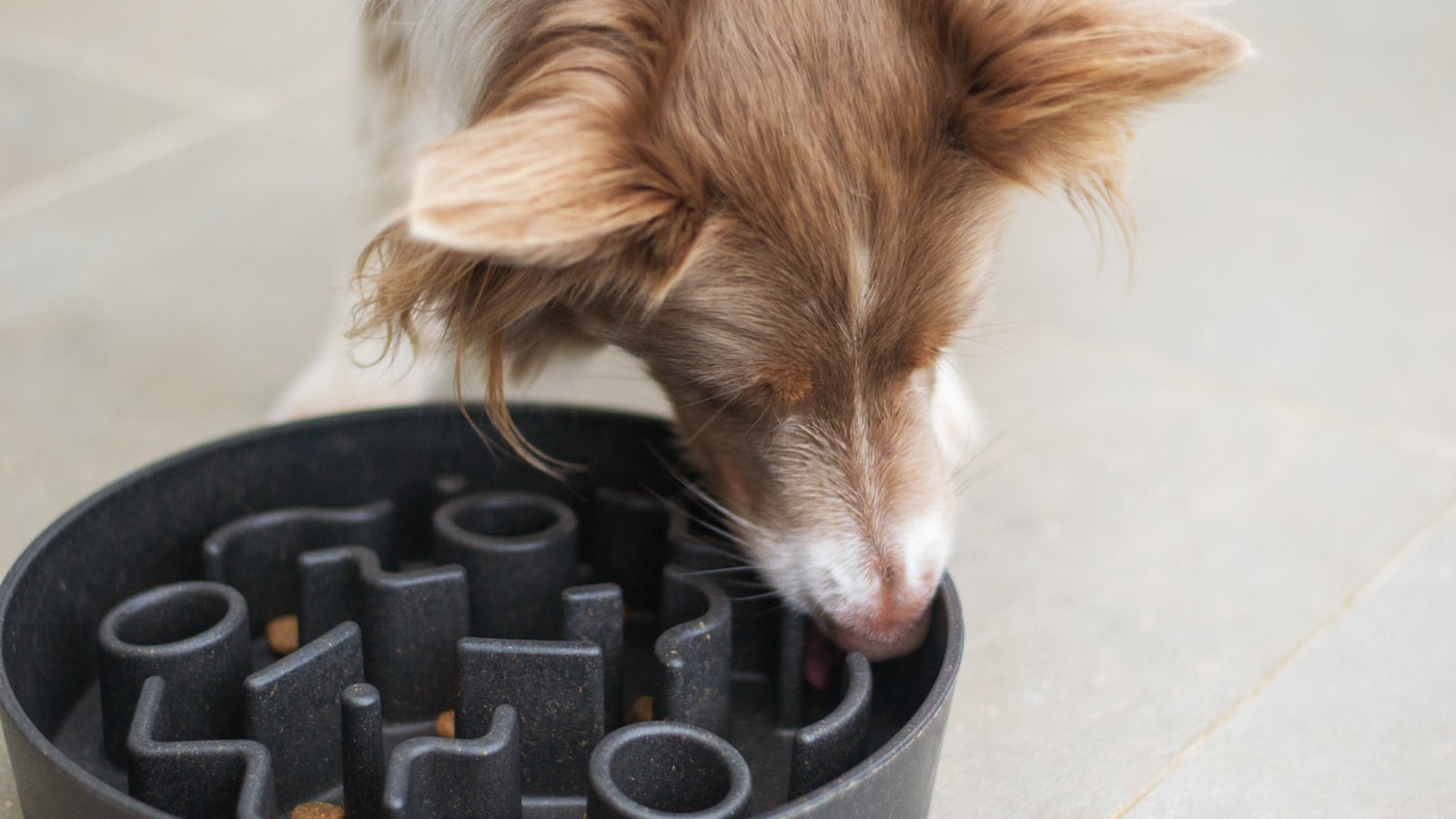
The bone disappears under a stiffened body, the eyes go hard and white-rimmed, and a low rumble says the next step is yours to choose wisely. Resource guarding scares owners into exactly the wrong response — the confrontation, the 'showing them who's boss,' the grab — which confirms the dog's entire thesis: humans near my stuff means losing my stuff. The fix inverts the thesis: humans near my stuff means BETTER stuff arrives. Trading, not taking — every time, until the math flips.
A guarding dog isn't defying you — they're insuring against you. The premium drops when you stop being the risk.
📋 Quick Read
- Guarding is insurance behavior: stiffening, whale eye, hovering, freezing, growling, and snapping are escalating premiums on a resource the dog believes is at risk — and confiscation history is usually the underwriter.
- The protocol is approach-equals-bonus: walk-by deposits (great treat tossed near the bowl, keep walking), the drop-it trading economy, and management that removes the daily conflicts while the math rewrites.
- The bright lines: never punish the growl (it's the warning system), manage children and guarding absolutely, and any bite history or escalation goes to a credentialed professional — this protocol is the foundation they'll build on.
Read the ladder, respect the rungs
Learn the escalation sequence so you can work below it: the hover-and-hunch over the item, eating faster as you approach, the freeze (motion stops mid-chew — the loudest quiet signal in dog language), whale eye (head down, eyes tracking you white-rimmed), the lip lift, the growl, the air snap, the bite. Every rung is information, and your dog choosing rung three instead of rung seven is a dog still negotiating — honor it by adding distance (yes, retreat: you're proving approach isn't a threat, which is the entire curriculum). Map YOUR dog's triggers honestly: food bowl, chews, stolen treasures, favorite spots, sometimes a person — each gets its own protocol lane, and the stolen-sock emergency gets handled by trade (great treat scattered away from the sock, sock retrieved while the dog banquets) rather than pursuit.
The walk-by deposit protocol
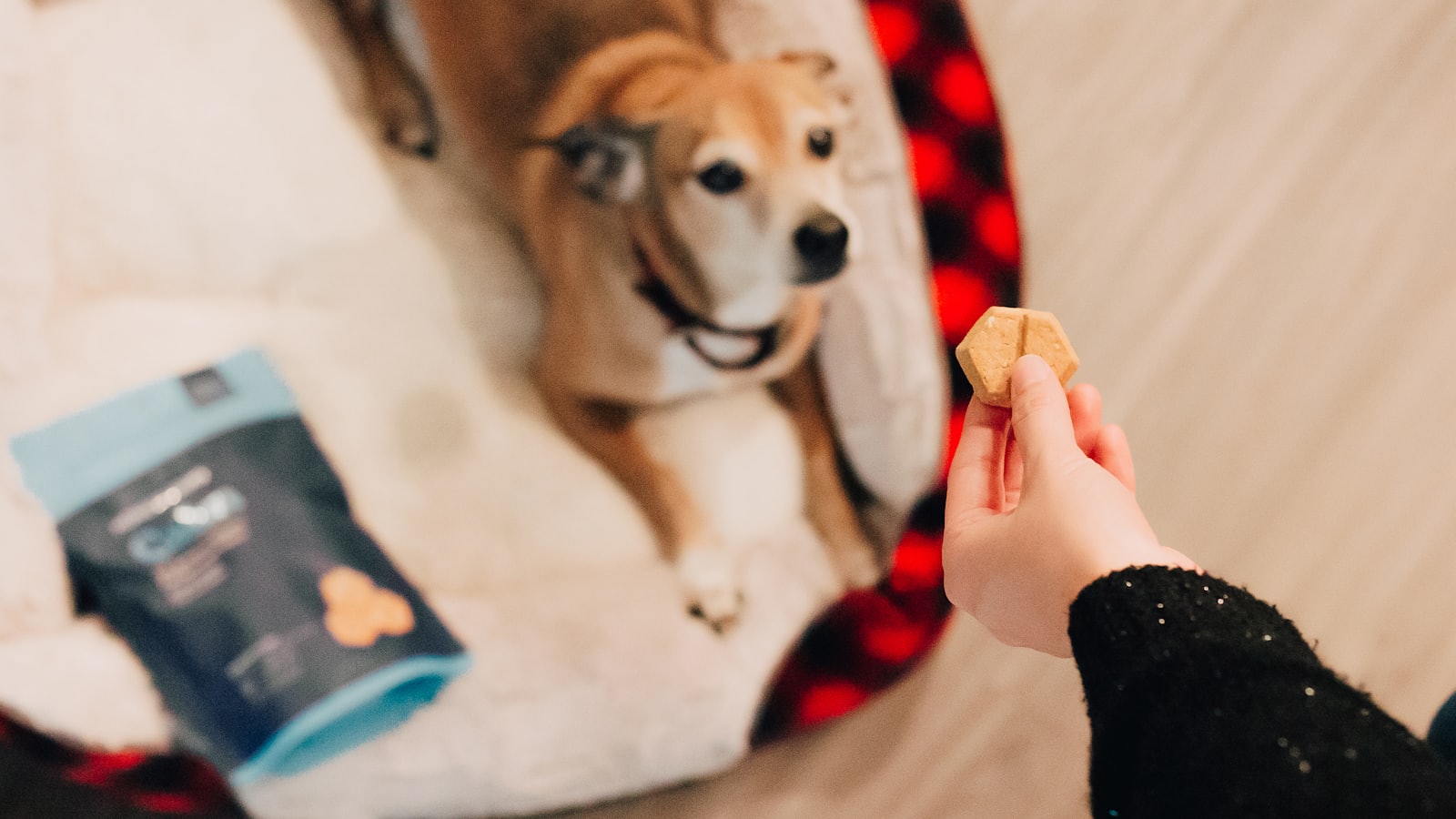
The core rewiring, run daily at safe distance: while your dog eats or chews something ordinary, walk PAST at a distance below their alert threshold, toss something better than what they have (real chicken beats kibble) toward them, and keep walking — no pause, no reach, no eye contact. Repeat for days. The prediction flips visibly: the dog who hovered starts glancing up hopefully at your approach — tail loosening, the insurance lapsing — and only then does the distance shrink, foot by foot across weeks. Graduate levels: standing briefly nearby (deposit, leave), the bowl-bonus (approach the eating dog, drop a bonus IN the bowl, leave), and eventually the reach-near-and-pay. Never rush the ladder — each level is earned by the previous one looking genuinely relaxed — and run separate tracks for separate triggers (bowl progress doesn't transfer to bully sticks automatically).
Management, kids, and the professional line
While the math rewrites, remove the daily conflicts: high-value chews served in the crate or a quiet room (calm, alone, no ambient threat — the crate lesson's den doing behavior work), feeding stations separated in multi-dog homes (the feeding lesson's setup — dog-dog guarding runs the same protocol dog-to-dog with distance and trades), treasures managed by the proofing lesson (the sock that's never accessible never needs guarding), and the trading economy (drop-it) maintained as the household's standing currency. The bright lines, non-negotiable: children and guarding dogs are managed with barriers and supervision, always — kids can't read the ladder, and the protocol is never theirs to run; and the professional threshold is concrete — any bite with contact, guarding that's escalating despite weeks of honest deposits, or guarding aimed at family members' movement around the house (beyond objects) gets a credentialed behavior consultant or veterinary behaviorist, promptly. Most object-guarding responds beautifully to the deposit-and-trade life; the exceptions deserve expert care early, while the ladder's lower rungs still hold.
- Approaches ADD value (deposits) — never subtract
- All exchanges run on trades (drop-it economy)
- The growl is respected as information, never punished
- High-value chews served in calm, private spaces
- Kids and guarding are separated by management, always
- Stolen items retrieved by scatter-trade, not pursuit
- Bite history or escalation → professional booked
🗓 This Week's Plan
- Days 1–2: Map the triggers and the typical rung; set the management (private chews, treasure-proofing, trade currency stocked).
- Days 3–7: Run the daily walk-by deposits below threshold; log the rungs; watch for the hopeful glance.
- Ongoing: zero confiscations, trades forever — and the professional call if the map includes bites or children.
Start the Deposit Fortnight in Pak Social
Approach, drop something better, keep walking. Fourteen days of being the bringer instead of the taker — and the insurance policy your dog took out against you starts to lapse.
Get Pak Social — Free ➡️ Up nextTeaching Drop It: Building Trust Through Trading4 min read›