Teaching Drop It: Building Trust Through Trading
Leave it stops the grab before it happens. Drop it is the sequel — for when the sock, the bone, or the mystery item is already in the mouth.
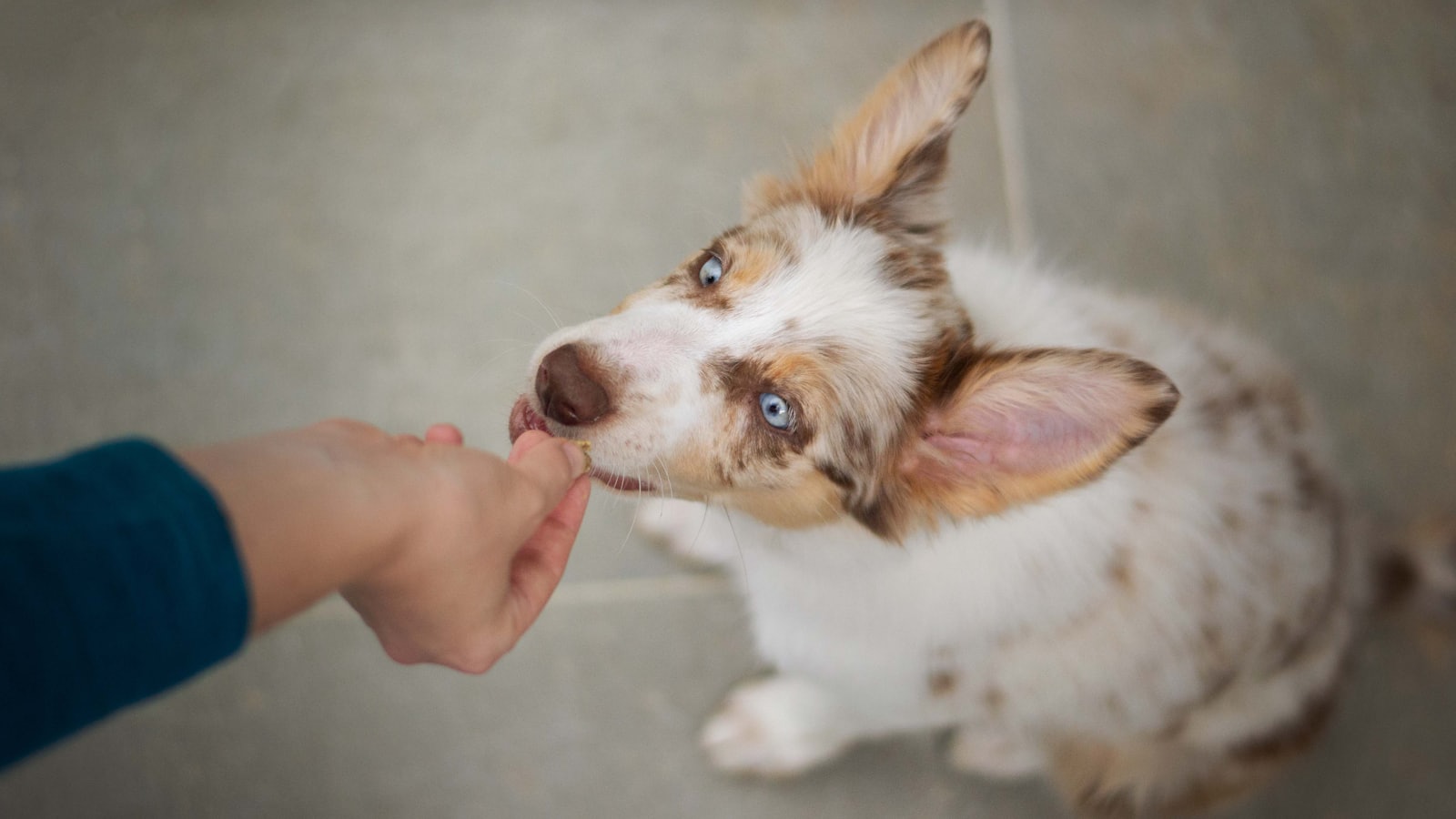
Your dog has your favorite sock and is doing victory laps around the coffee table, absolutely delighted, while you close in like a heist gone wrong. Every chase, every pry, every wrestled-away prize is teaching one catastrophic lesson: humans steal, so run faster and swallow sooner. Drop it flips the economy. Instead of a mugging, it's a trade — and a dog who trusts the trade will spit out a chicken bone mid-chew, because experience says whatever comes next is better.
Drop it isn't surrender. It's a trade your dog has never once lost.
📋 Quick Read
- The engine is trading, never taking: your dog releases the item because something better appears — and crucially, they often get the original item back, so releasing doesn't mean losing.
- Chasing and prying are the two great saboteurs: both teach that human hands near the mouth mean theft, which is the root of guarding, gulping, and keep-away games.
- Built honestly, drop it becomes a genuine emergency cue — the one standing between your dog and a swallowed cooked bone, sock, or worse.
Start the trading floor
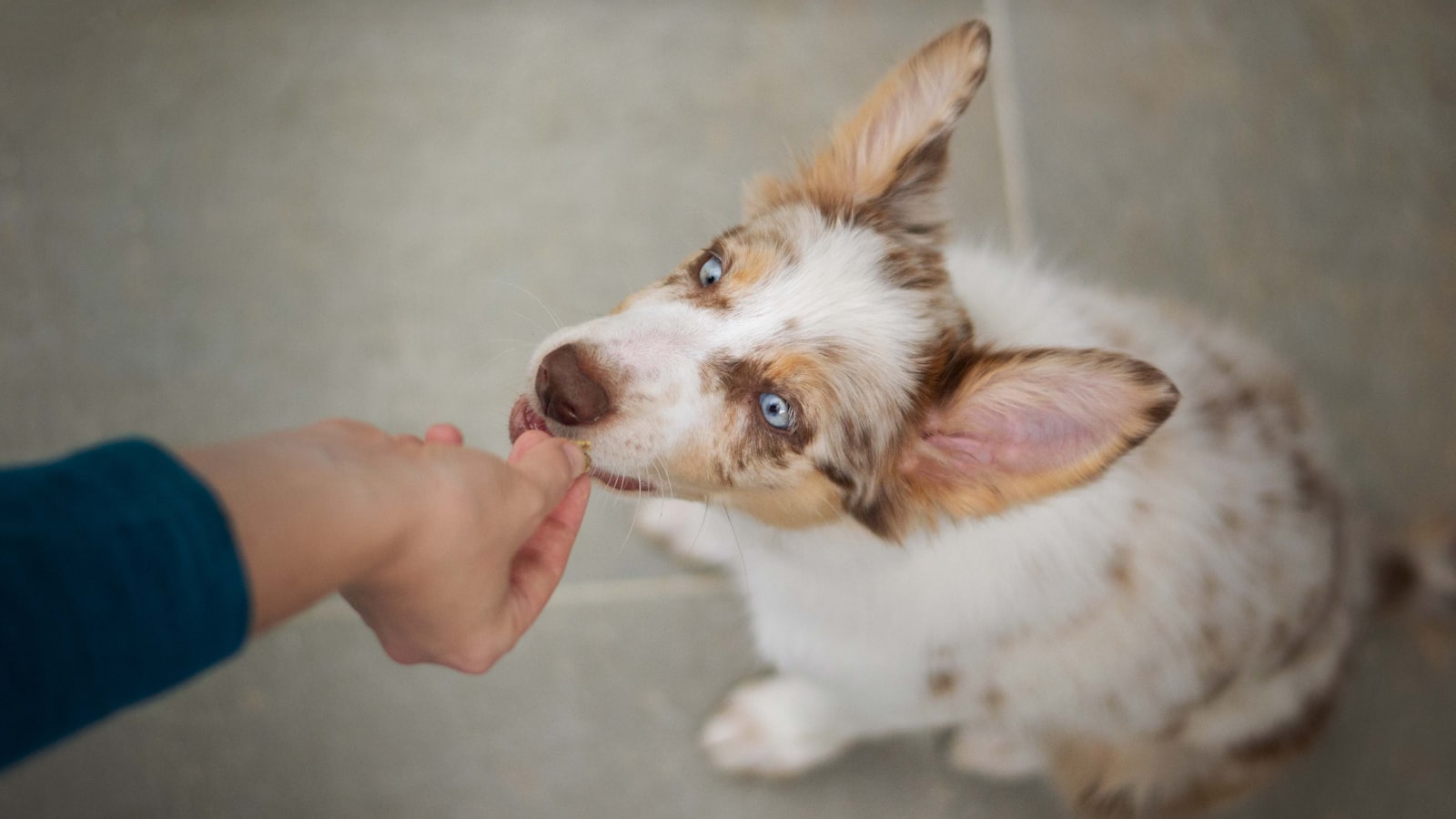
Begin with a toy your dog likes but doesn't treasure. Let them hold it, then present a high-value treat right at their nose. The instant the jaw opens and the toy drops: mark, pay, and — here's the trust-builder — hand or toss the toy right back. Ten trades a session. No grabbing at the item, no tug-of-war with their prize, no cue word yet; the mechanics come first. If the treat doesn't open the jaw, your treat is losing to the toy — upgrade the currency, downgrade the toy, and run it again.
Name it, ladder it, lose the visible treat
Once jaws open reliably at the sight of the trade, say "drop it" just before presenting the treat; a dozen reps in, the words alone will open the mouth, and you pay from behind your back after. Now climb the value ladder deliberately: boring toy, favorite toy, chew in progress, food-adjacent finds — each level earning bigger paydays and plenty of give-backs. Keep two inviolable rules as the stakes rise: never chase (walk away disinterested instead; a dog with no audience often drops the game and the item), and never pry unless it's a genuine emergency — every pry spends trust you'll want later.
Grading it for emergencies
The exam this cue is really for: the cooked bone from the gutter, the dropped medication, the sharp thing. Proof toward it with staged finds (plausible but safe items planted on walks), jackpot trades for every release, and keep the maintenance running for life — an occasional spectacular payday for a routine drop keeps the reflex bright. When the real emergency comes, cue once, pay ridiculously, and never mind that the found treasure doesn't come back that time; a thousand honest trades buy you that one confiscation, no trust lost.
🗓 This Week's Plan
- Days 1–2: Ten trades a day with a mid-value toy; item returned most reps. No cue word yet.
- Days 3–4: Attach "drop it," start the value ladder, and banish all chasing and prying household-wide.
- Days 5–7: Chews and staged finds with jackpot pay; run the Double-Dip Week finale on the favorite toy.
Start the Teaching Drop It plan in Pak Social
One toy, one great treat, ten trades tonight. Build the trading floor now, and the day your dog finds something dangerous, the trade will beat the treasure.
Get Pak Social — Free ➡️ Up nextTeaching Off: Four on the Floor4 min read›