Stay: Building Duration and Distance
Your dog isn't blowing off the stay. You're probably asking for three skills at once — and dogs learn them one at a time.
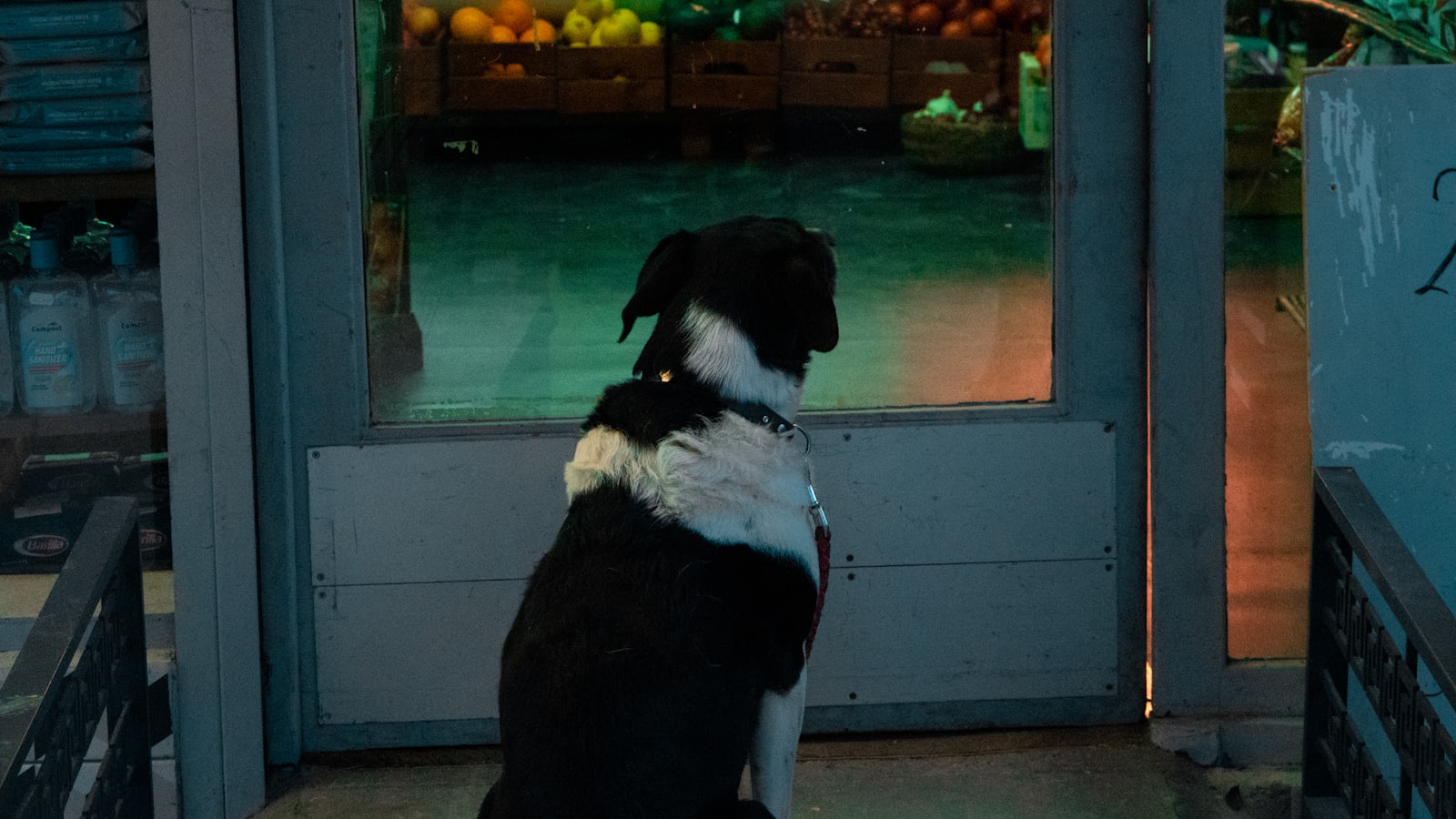
Your dog sits, you say "stay" with full eye contact and a traffic-cop hand, and you back away feeling like a professional. Three steps later there's a nose in your knee. Every owner hits this wall, and it's almost never defiance — it's that stay is secretly three separate skills wearing one word: staying for a long time, staying while you move away, and staying while the world happens. Dogs learn them one at a time. Train them that way, and stay stops being a coin flip.
Stay isn't one skill. It's three — duration, distance, distraction — and your dog learns them one at a time.
📋 Quick Read
- Trainers call it the Three D's: duration, distance, distraction. Increase one and the other two get harder — so you raise one dial at a time and lower the rest.
- Duration comes first, and it starts embarrassingly small: one to two seconds, rewarded, then a slow climb. Get to ~30 seconds before you even think about stepping away.
- Always return to your dog to end the stay. Calling them to you teaches that stays end by breaking toward you — the exact thing you're trying to untrain.
Duration first — and smaller than you think
Ask for a sit, say "stay," wait one second, reward while your dog is still in position, then release with a consistent word ("free!" or "okay!"). That's a full rep. Climb slowly — two seconds, five, eight — rewarding during the stay, not after the release, so the position itself is what pays. If your dog breaks, you've climbed too fast: shrug, reset, and drop back to the last duration they nailed. Build to about thirty seconds of calm, rewarded stillness before adding anything else.
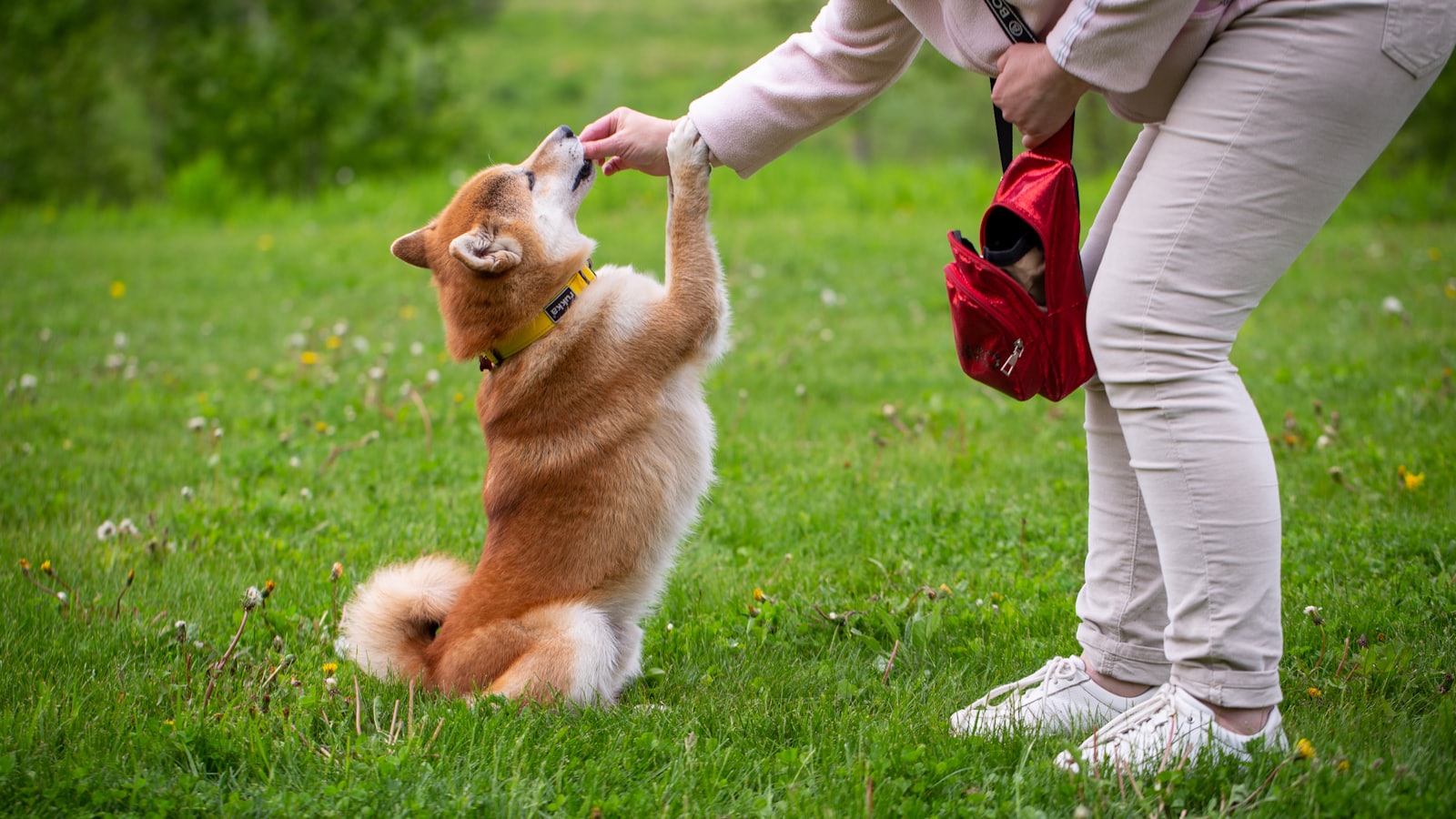
Distance: your feet are the hard part
Once thirty-second stays are easy, shrink the duration back down and start moving — one step back, return, reward, release. Then two steps, then five, then a lap around your dog. Two rules make or break this phase. First: always come back. Returning to reward means your dog never learns that distance predicts being summoned. Second: when distance goes up, time goes way down — a five-step stay might last three seconds at first. That's not a step backward; that's the method.
Distraction: the final boss, introduced politely
Distraction training starts far below your dog's threshold. Ball-obsessed dog? The ball sits motionless ten feet away — that's the whole distraction. Reward heavily for holding. Over sessions, the ball gets closer, then rolls slowly, then bounces. Same for doorbells, family members walking past, another dog across the street. The art is finding versions of the distraction easy enough to succeed through. Every held stay around a distraction is a rep of "the world happening doesn't cancel the deal."
And here's the pattern most owners miss: the dogs who struggle most with stay usually aren't the stubborn ones — they're the ones whose owners jumped from kitchen-duration straight to across-the-park-with-distractions and skipped the middle entirely. If your stay is flaky, the fix is almost never more discipline. It's a smaller ask.
🗓 This Week's Plan
- Days 1–2: Nail the mechanics — one-to-five-second stays, reward in position, clean release word. Ten reps, twice a day.
- Days 3–4: Climb duration toward 20–30 seconds. If a rep fails, drop back two rungs and rebuild.
- Days 5–7: Shrink duration and add your first steps of distance — one step, return, reward. End the week with the lean-watch: catch and pre-empt one break.
Start the Stay Ladder in Pak Social
Log your first two-second stay today. In two weeks of five-minute sessions, you'll be walking away from a dog who genuinely stays put.
Get Pak Social — Free ➡️ Up nextPlace Training for a Calm Household4 min read›