Stress Signals Most Owners Miss
By the time a dog growls, they've usually been asking for space for a while — in a language most of us were never taught to read.
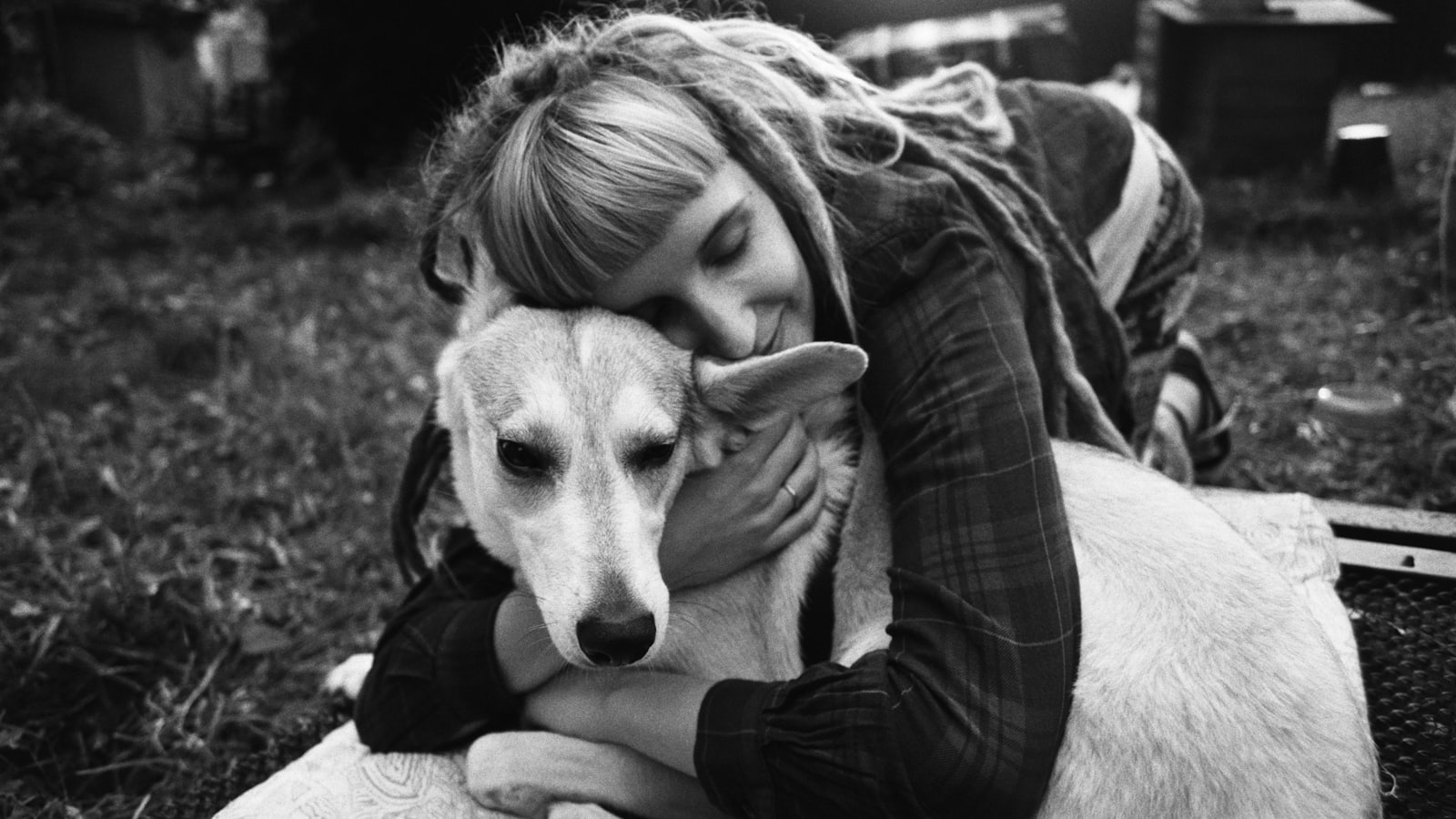
Most people can spot a happy dog and a terrified one. It's the huge middle — the quiet “I'm not okay with this” — that slips past us. Long before a dog growls, snaps, or bolts, they send a series of small, polite signals asking for space or a break. Learn to read them and you'll prevent most bad moments before they start, and your dog will trust you as someone who finally listens.
A growl isn't the first warning. It's the one your dog gives after the quiet ones went unheard.
📋 Quick Read
- Dogs communicate discomfort with subtle body language — lip-licks, yawns, “whale eye,” turning away, freezing — well before any growl or snap.
- These signals are requests for space or a pause. Punishing the growl (or missing the quieter signs) teaches a dog to skip the warnings.
- Reading the early tells lets you change the situation before your dog feels forced to escalate — the foundation of a safe, trusting relationship.
Learn the quiet tells
The signals most owners miss are subtle and easy to explain away. A lip-lick when there's no food. A yawn when the dog isn't tired. “Whale eye” — the whites showing as your dog looks sideways without turning their head. Turning the head or body away. A sudden stillness or freeze. Panting that isn't about heat or exercise. Any of these, especially in a slightly tense moment (a hug, a hovering child, a stranger's reach), is your dog quietly saying “this is a bit much.”

Read the escalation ladder
Think of stress signals as rungs on a ladder. At the bottom are the quiet asks — lip-licks, yawns, looking away. Ignored, a dog climbs: stiffening, moving away, a hard stare, a low growl, and finally a snap or bite as the last resort. The whole point of learning the bottom rungs is that you rarely have to see the top ones. Respond early and the ladder never gets climbed. A “bite out of nowhere” almost never is — it's the top of a ladder whose lower rungs weren't noticed.
Honor the ask and build trust
When you spot an early signal, respond to it: create space, end the interaction, or change what's happening. Every time you do, your dog learns that their quiet requests work — so they keep communicating instead of escalating. This is the bedrock of a trusting relationship and safe households, especially with kids: teach everyone to give the dog space when they ask for it, and never force a nervous dog into a hug or a greeting. A dog who trusts you to listen is a dog who rarely needs to shout.
- Lip-licking with no food around
- Yawning when not tired
- “Whale eye” — whites of the eyes showing
- Turning the head or body away
- A sudden freeze or stiffness
- Panting when it isn't hot or after exertion
🗓 This Week's Plan
- Days 1–2: Learn the six quiet tells and watch for the food-free lip-lick, noting what preceded it.
- Days 3–4: In slightly tense moments (greetings, handling), respond to the first signal by adding space.
- Days 5–7: Log your dog's stress triggers and Calm Recovery Score to see the patterns — and never punish a growl.
Start reading your dog in Pak Social
Log the moments your dog signals stress and rate their Calm Recovery Score. You'll learn their “too much” triggers — and build the trust that comes from finally listening.
Get Pak Social — Free ➡️ Up nextCalming Signals Every Owner Should Know4 min read›